Mingalaba,
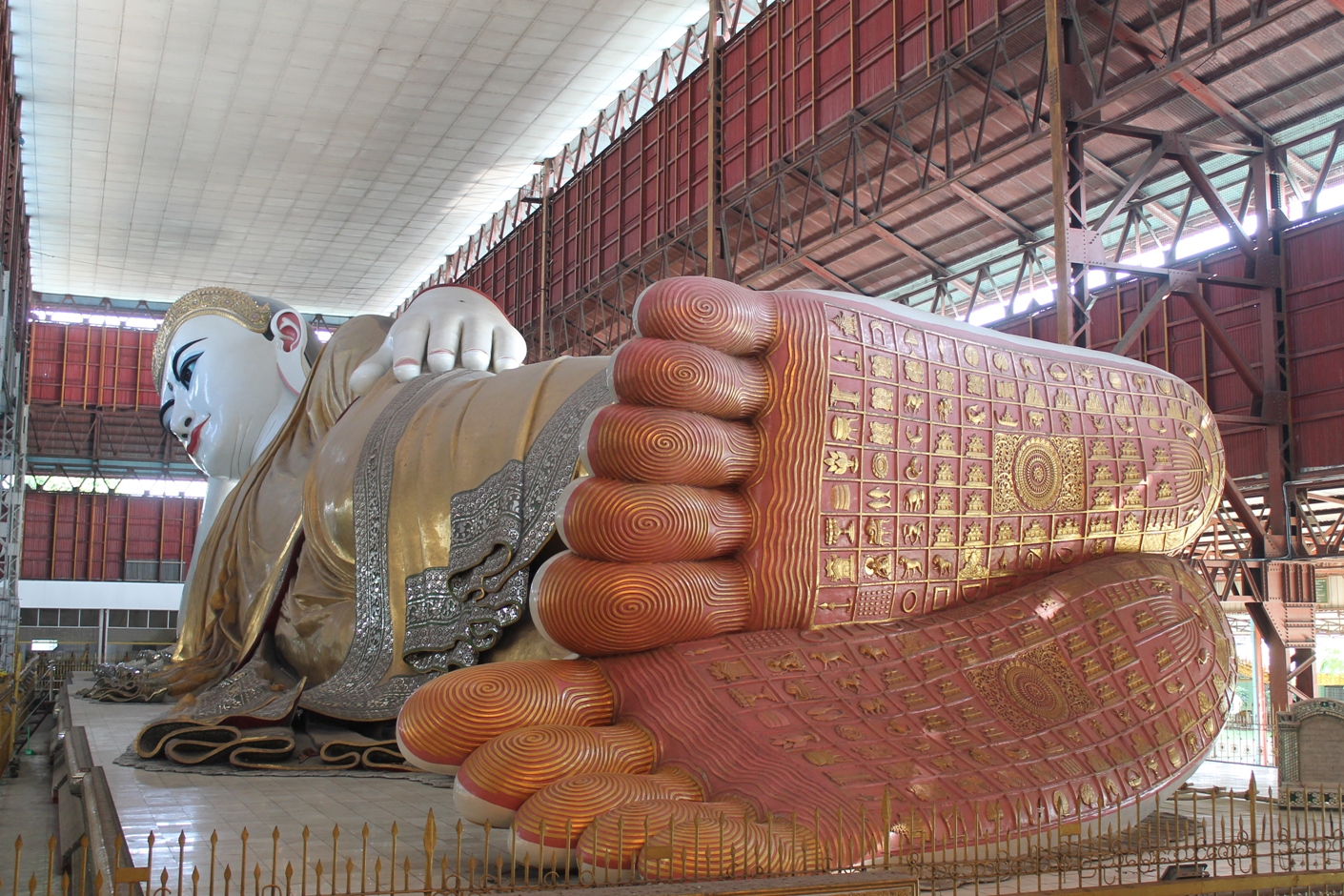
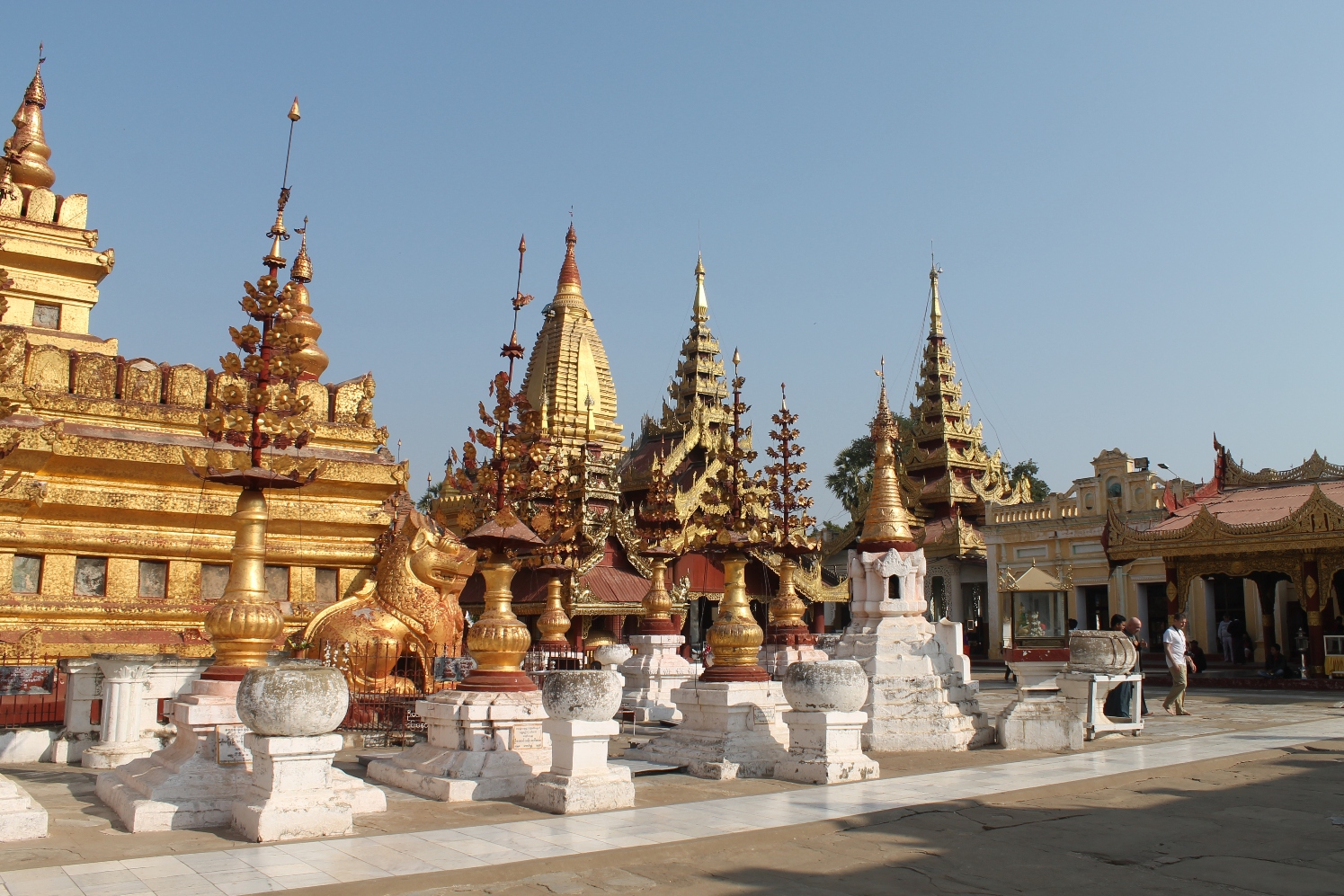
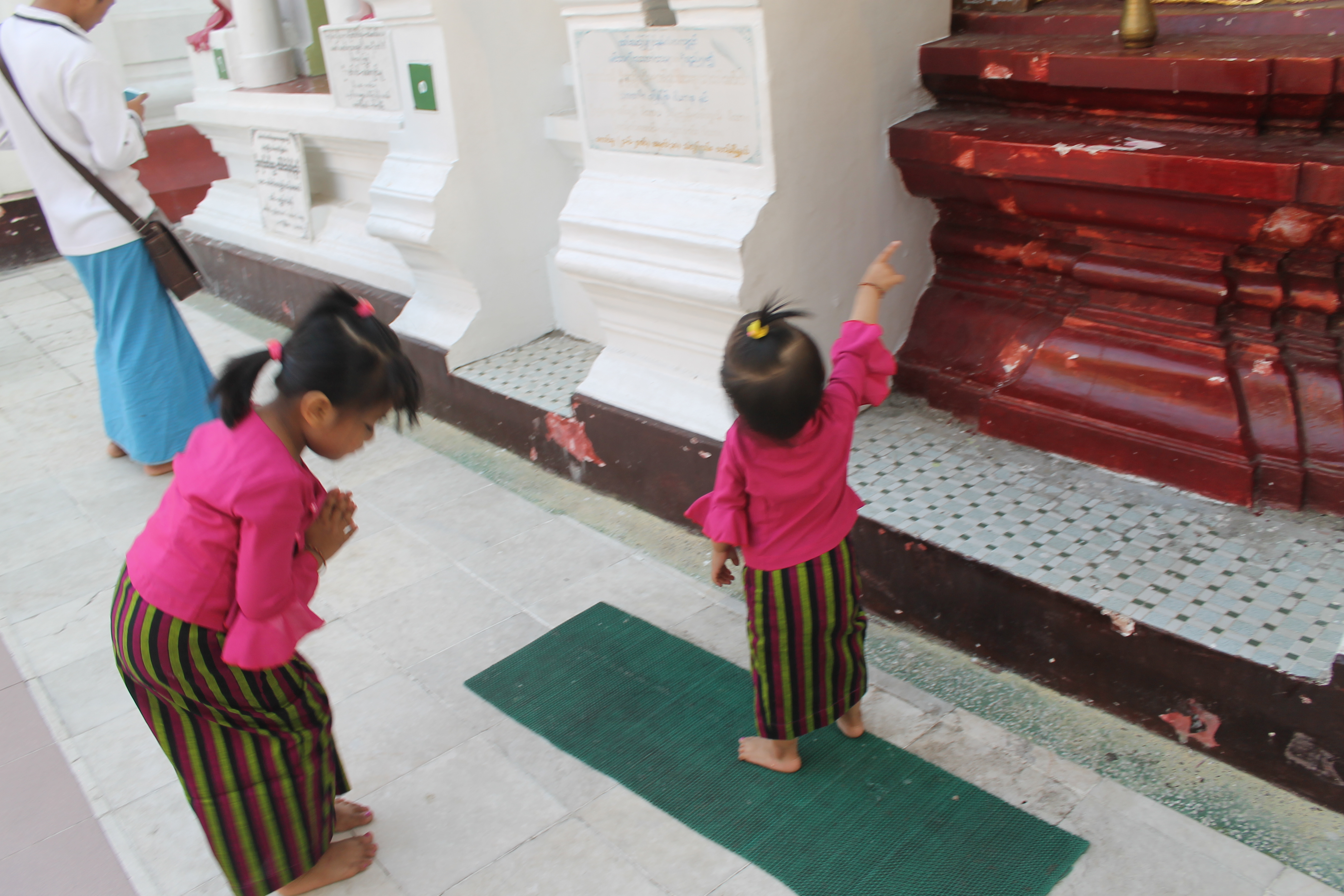
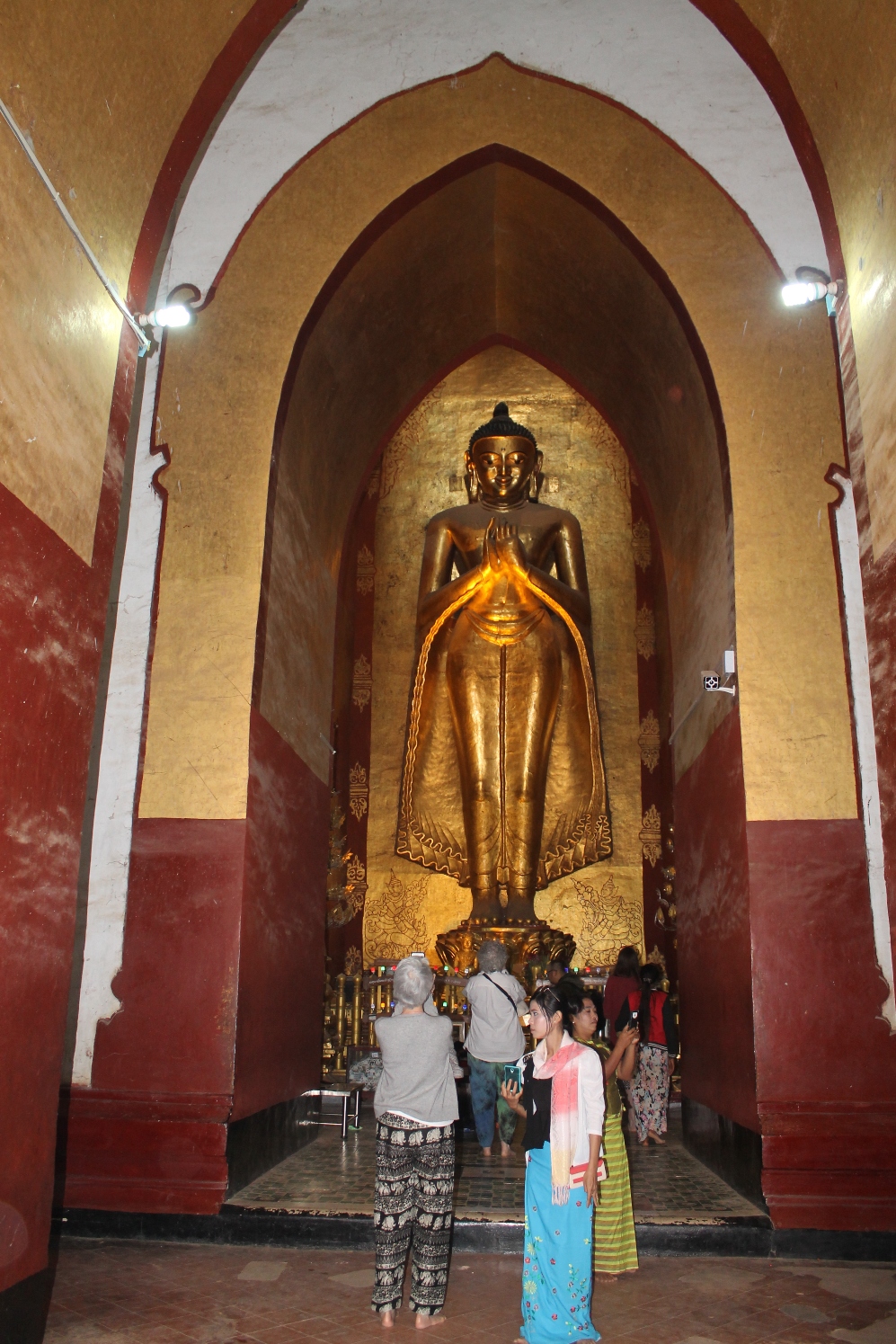
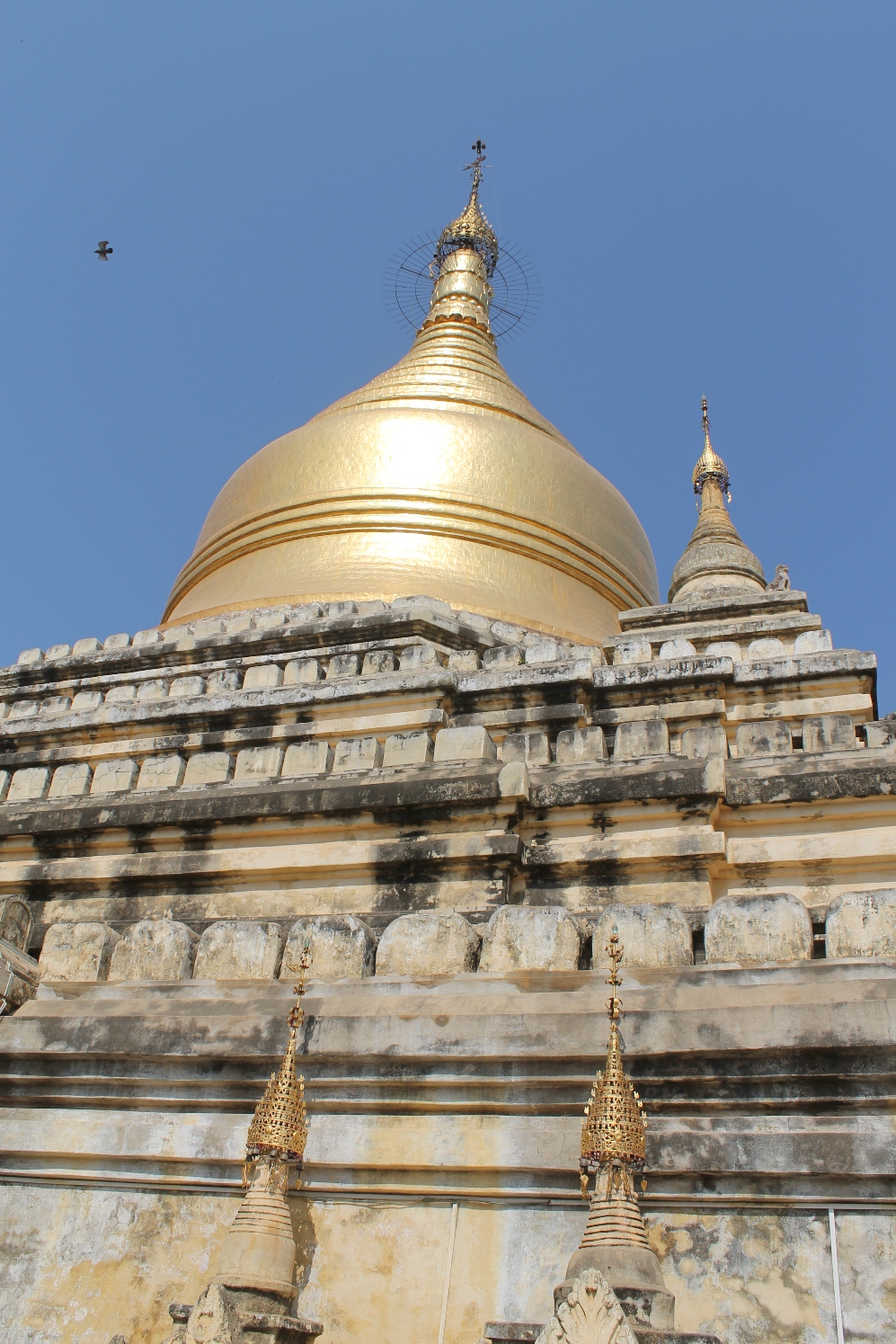
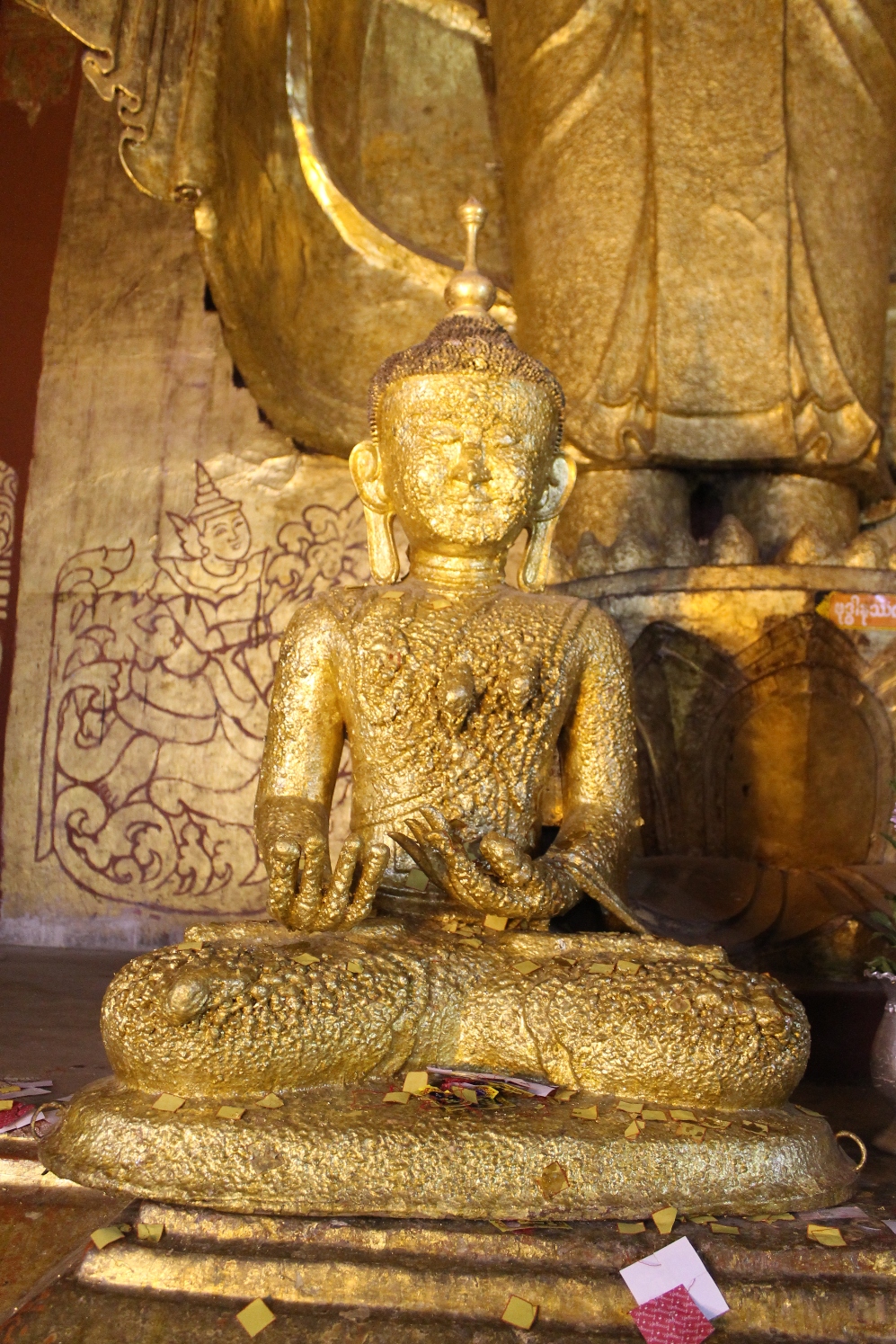
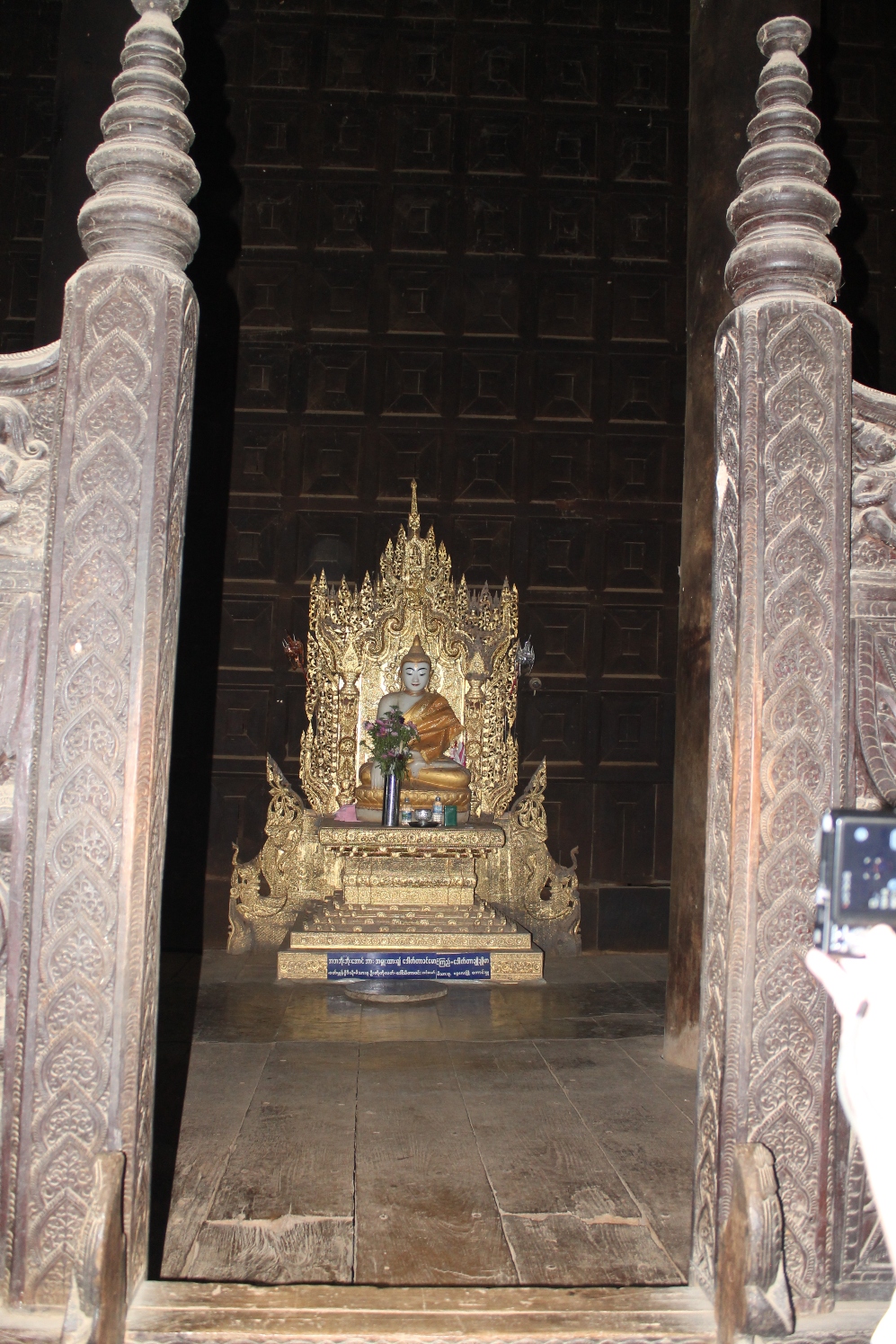
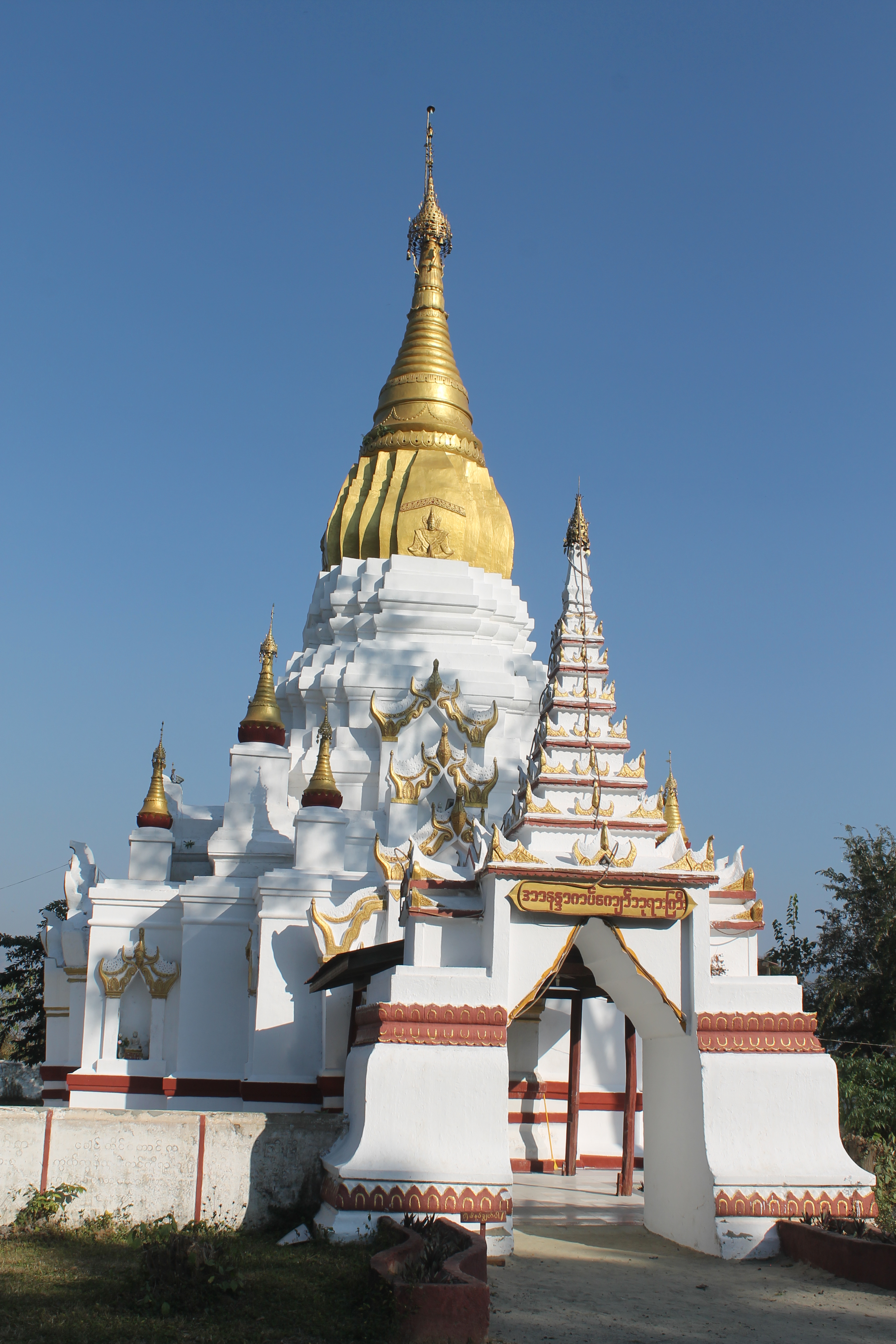
Recently we spent 10 days visiting Myanmar. It’s indeed a golden land, where gold besides as being a valuable commodity, it is also a sign of respect in Buddhism. People pay respect to Buddha by pasting gold leaf on his statue by millimeters thick, on stupas, on ceilings, on pillars of pagodas…etc.
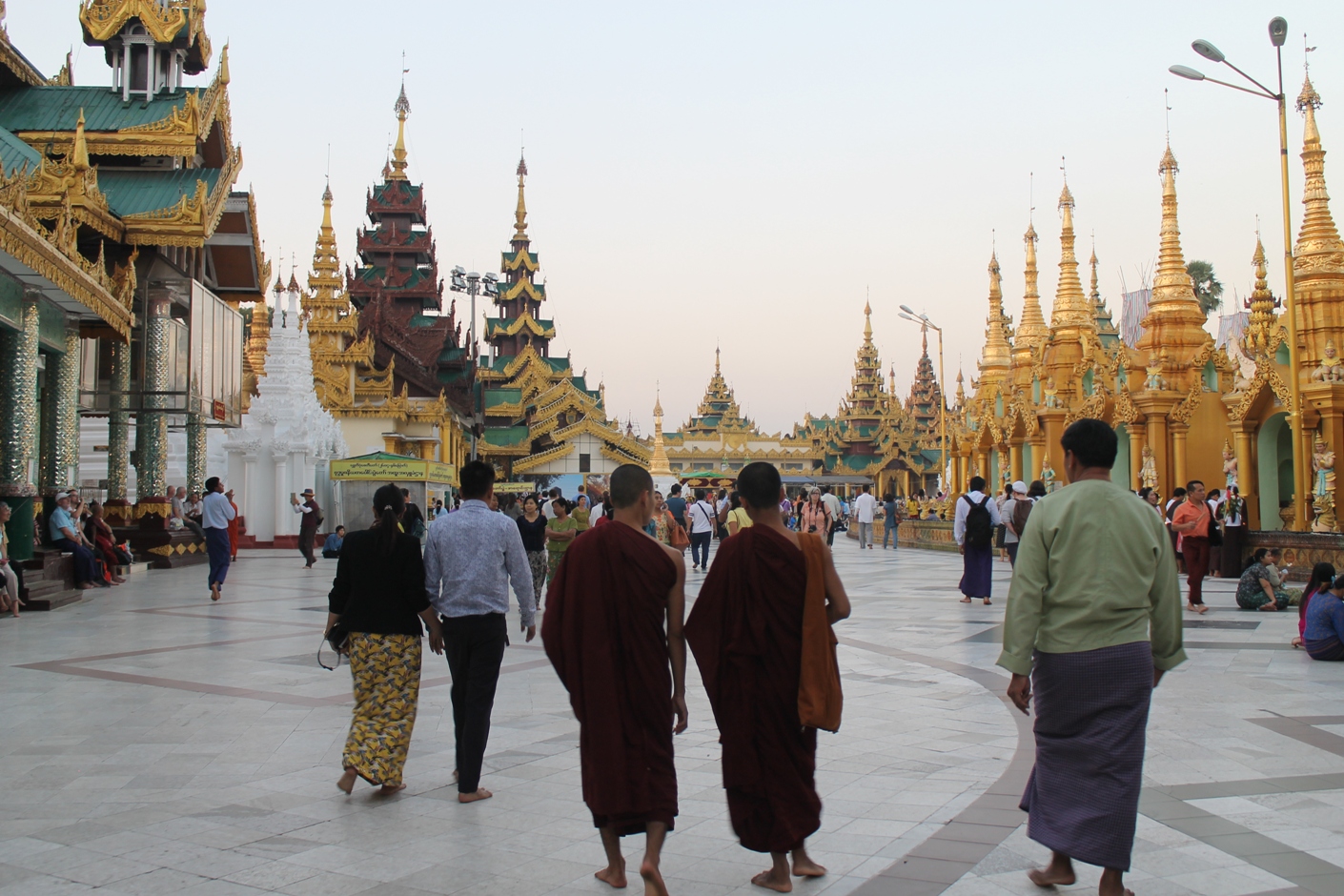
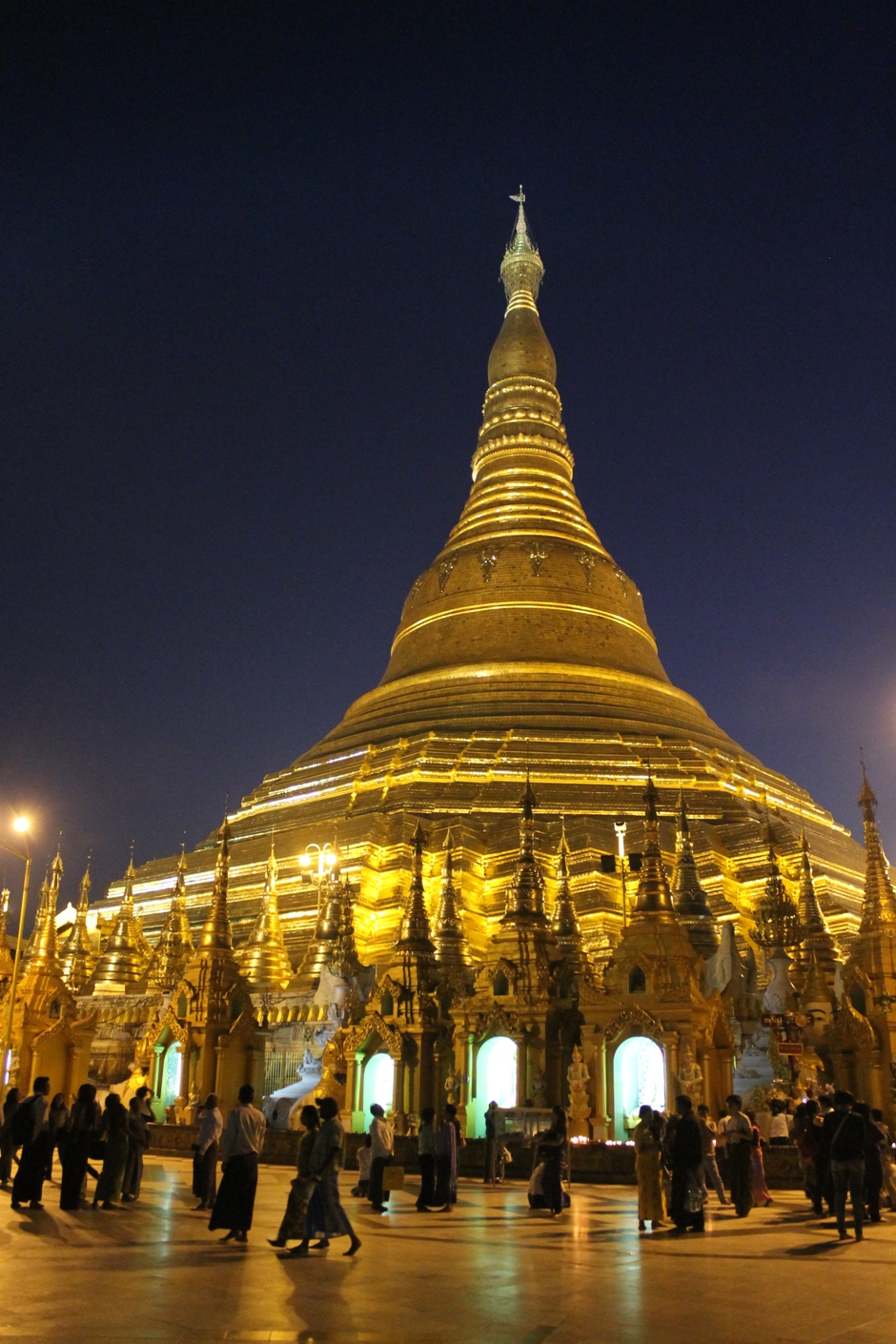
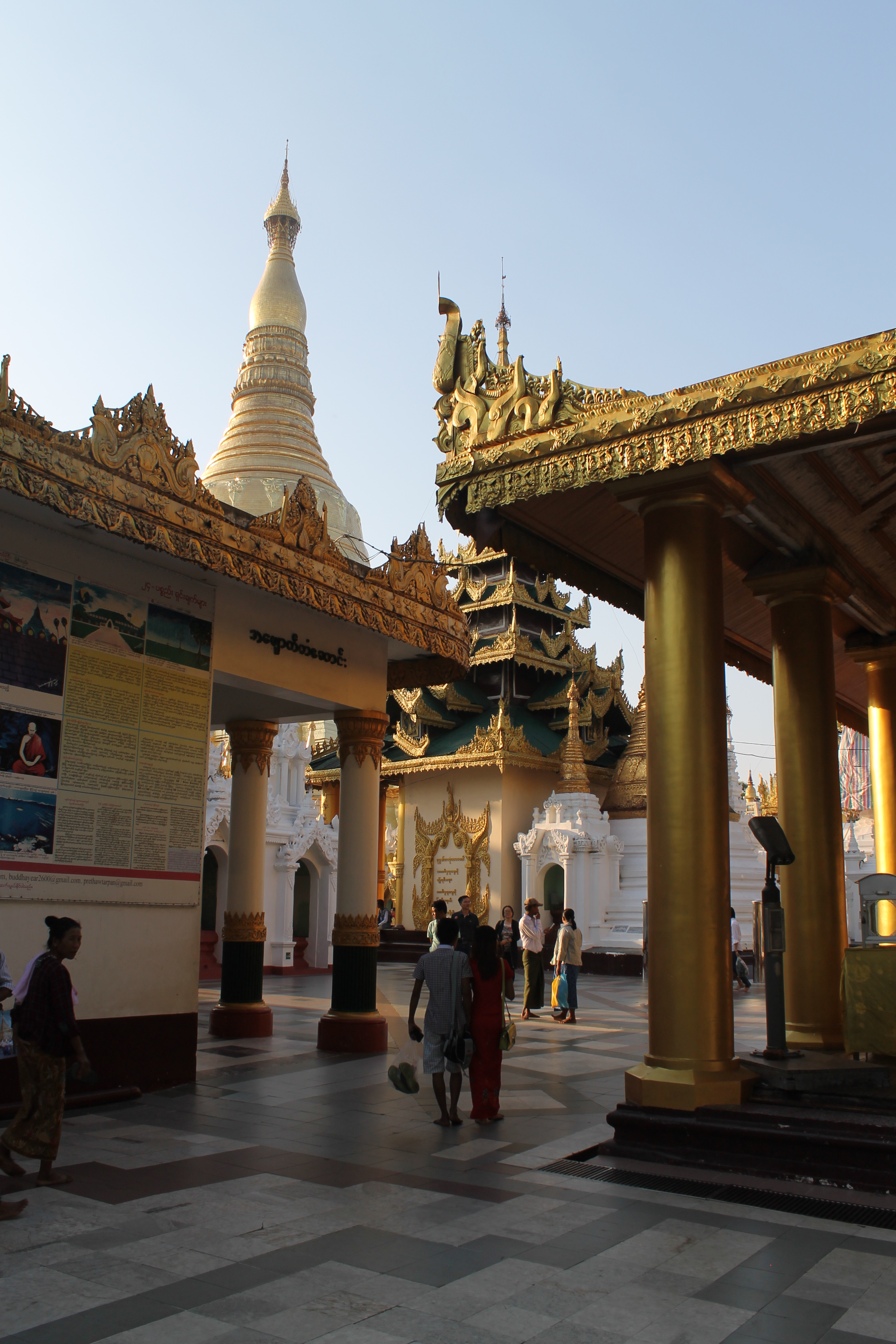
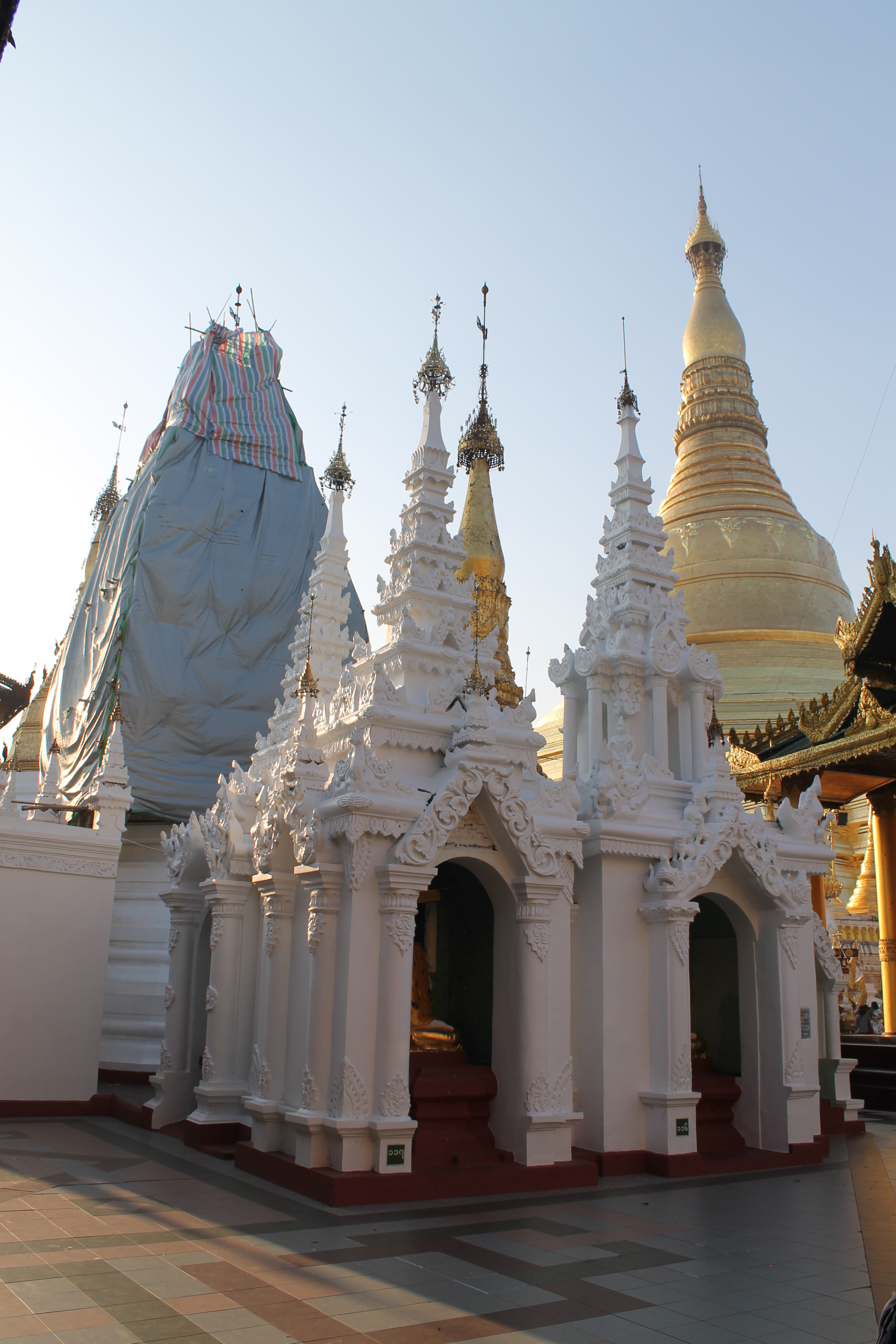
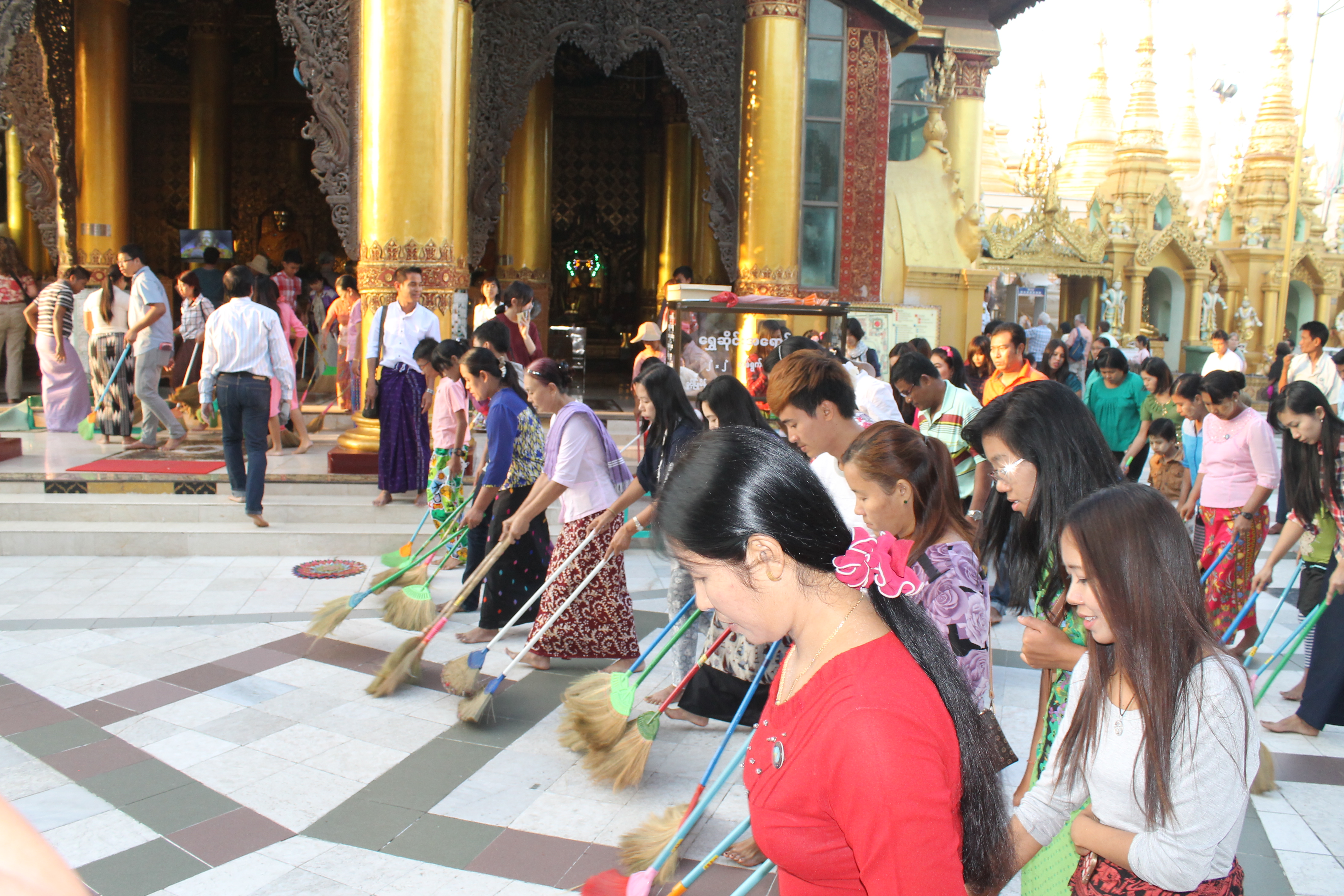
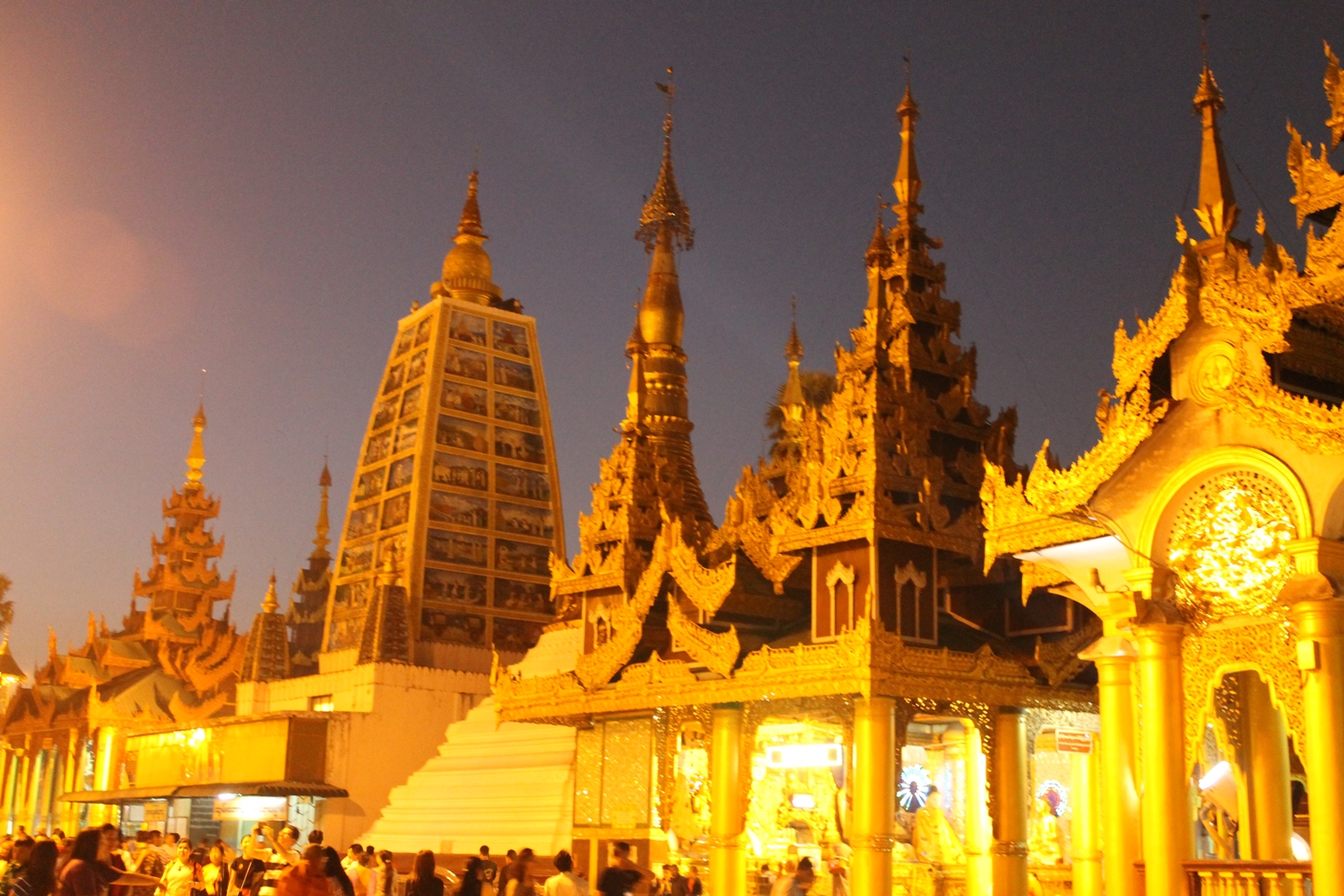
We started out in Yangon, a colonial city in the past, but now a thriving place as a gateway to Myanmar’s tourism. The famous glittering golden Shwedagon Pagoda is a highlight of the visit, particularly at the sunset where throngs of people come to pay their respect. I saw young adults lined up sweeping the floor to keep the place clean, it’s quite a scene.
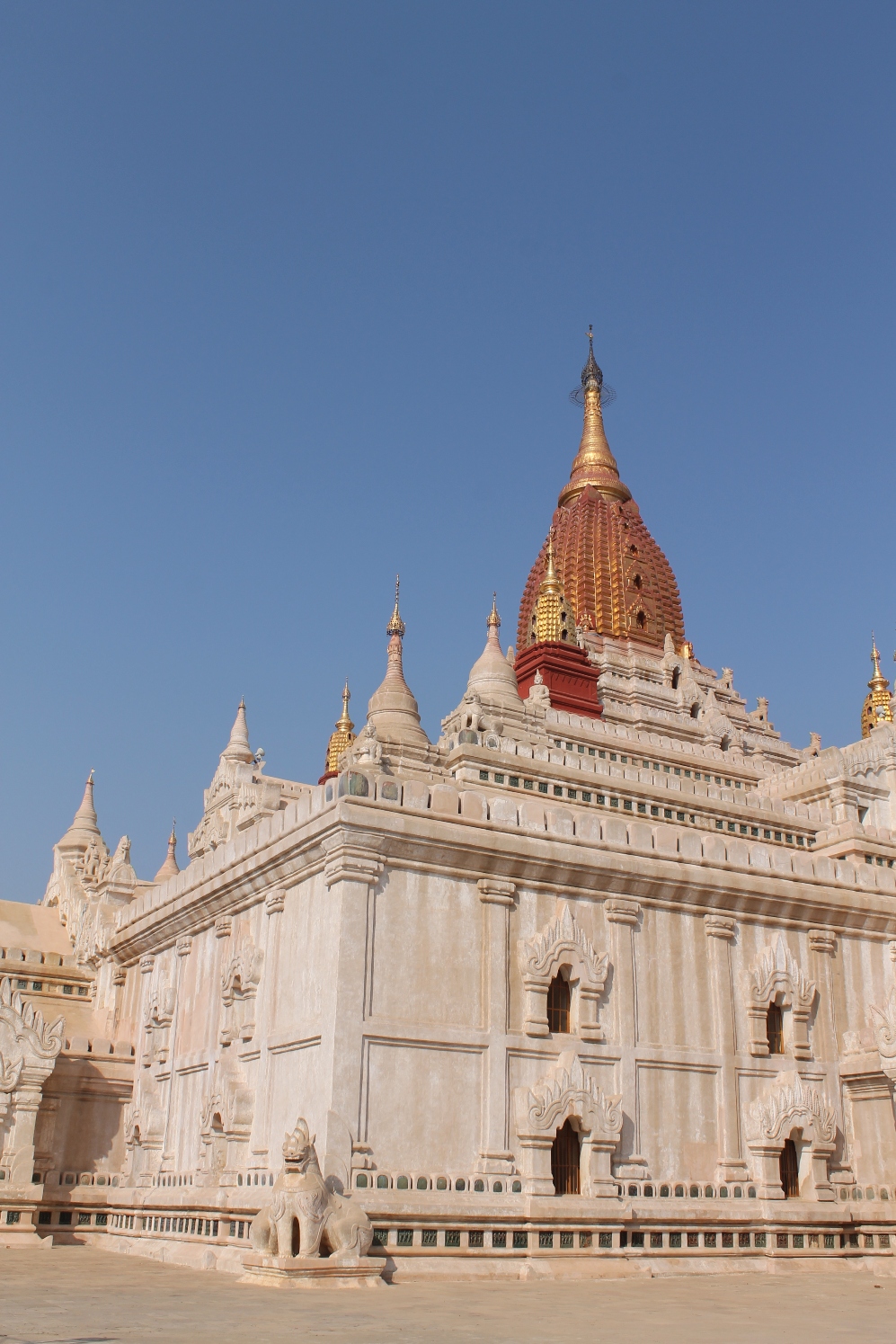
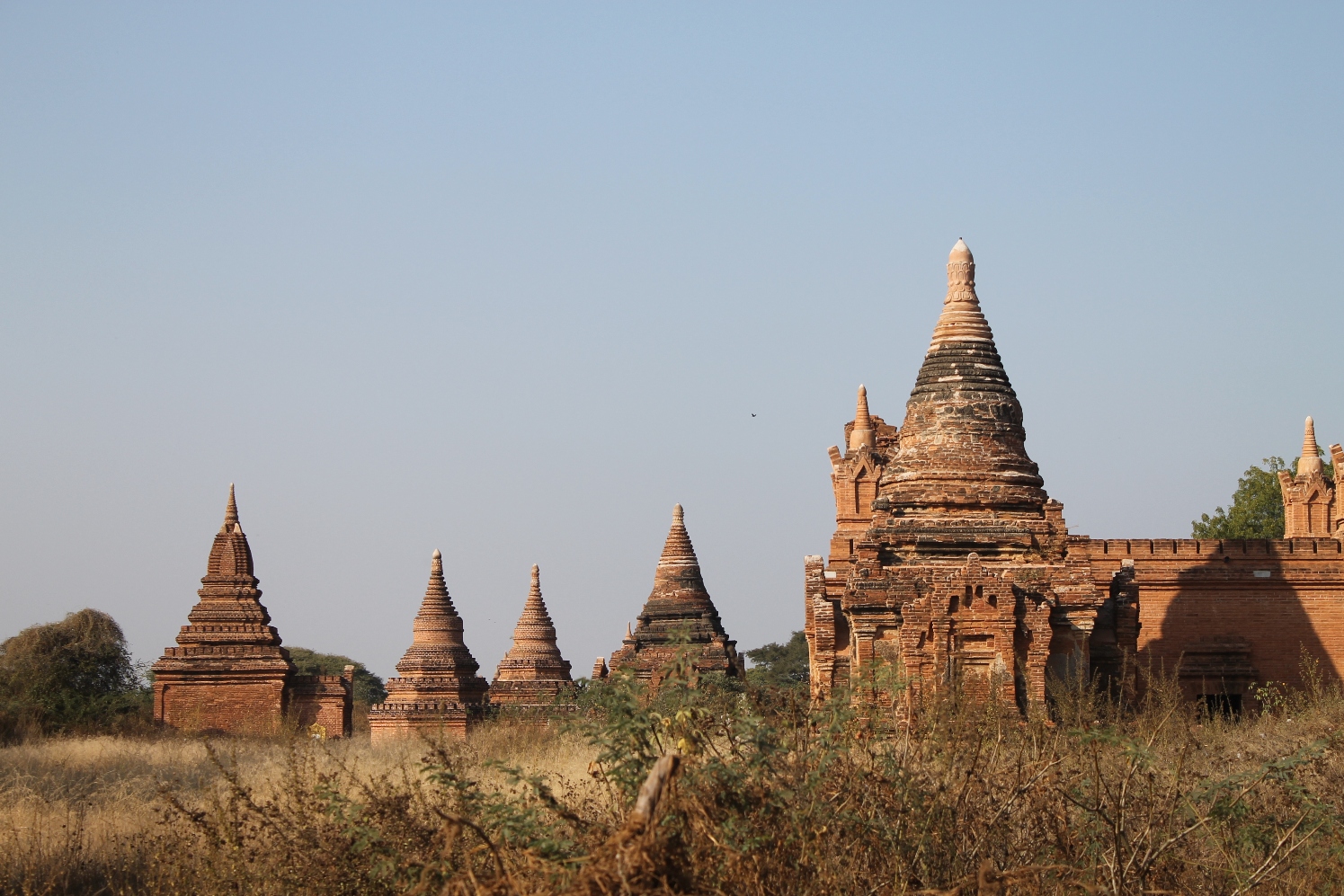
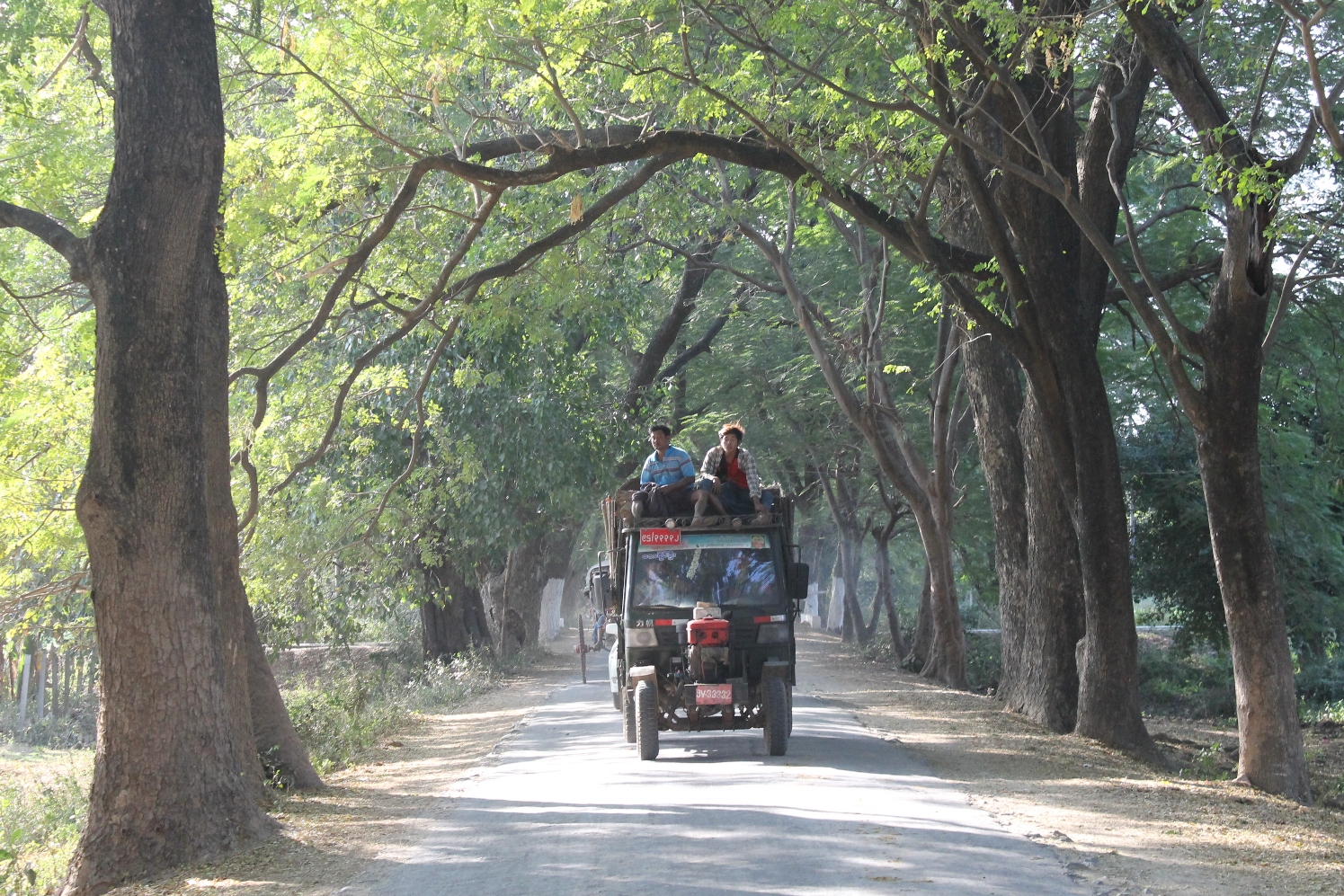
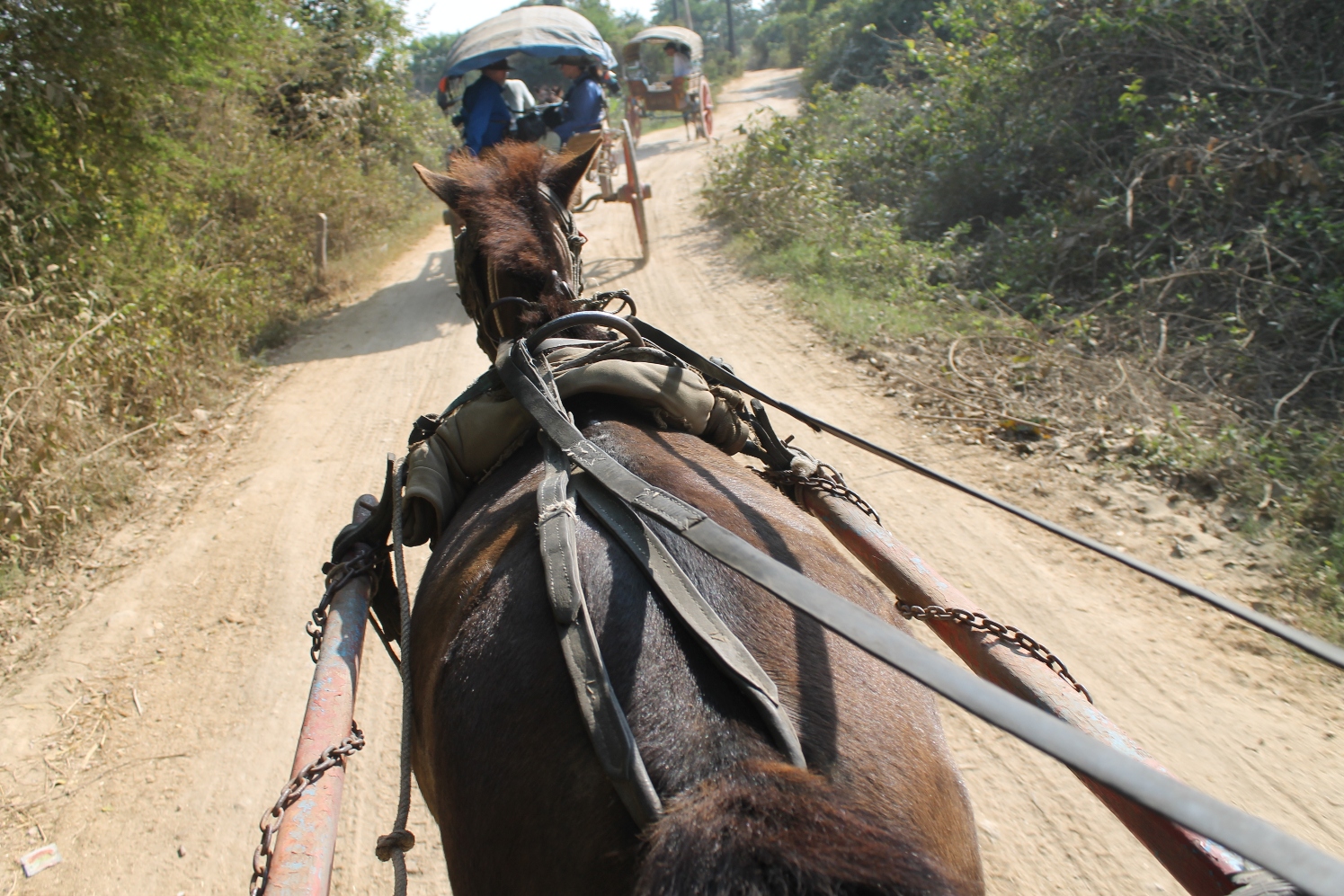
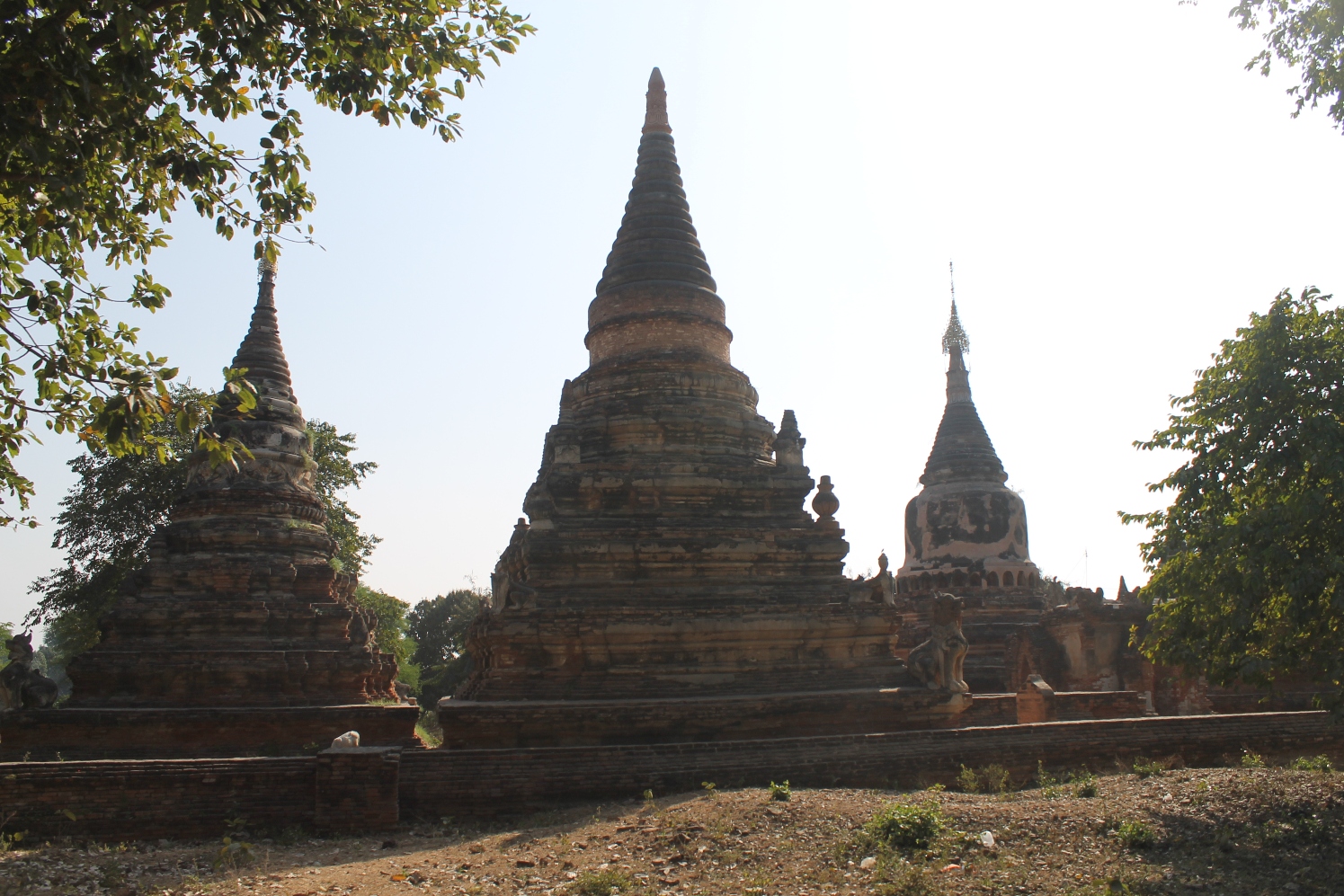
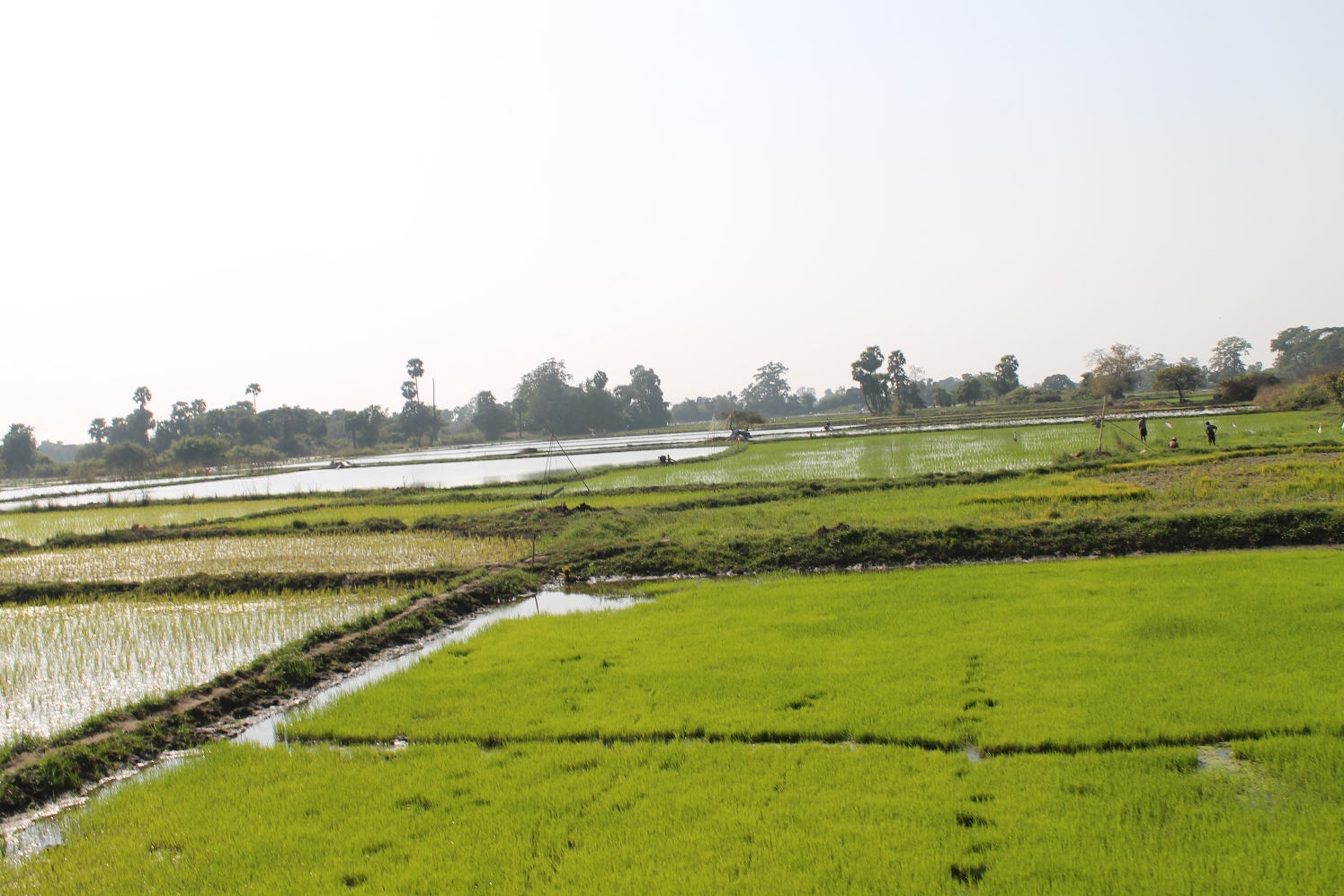
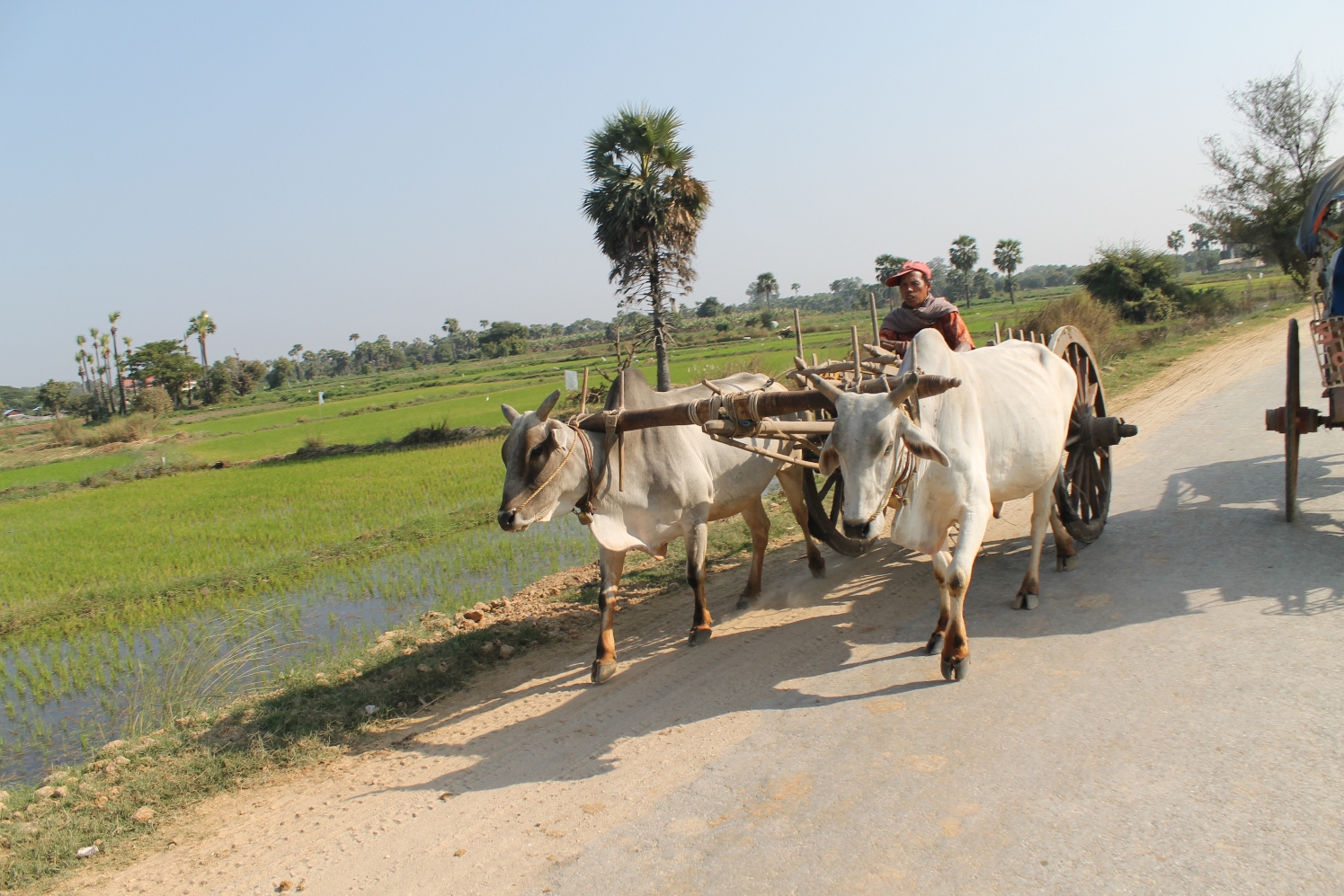
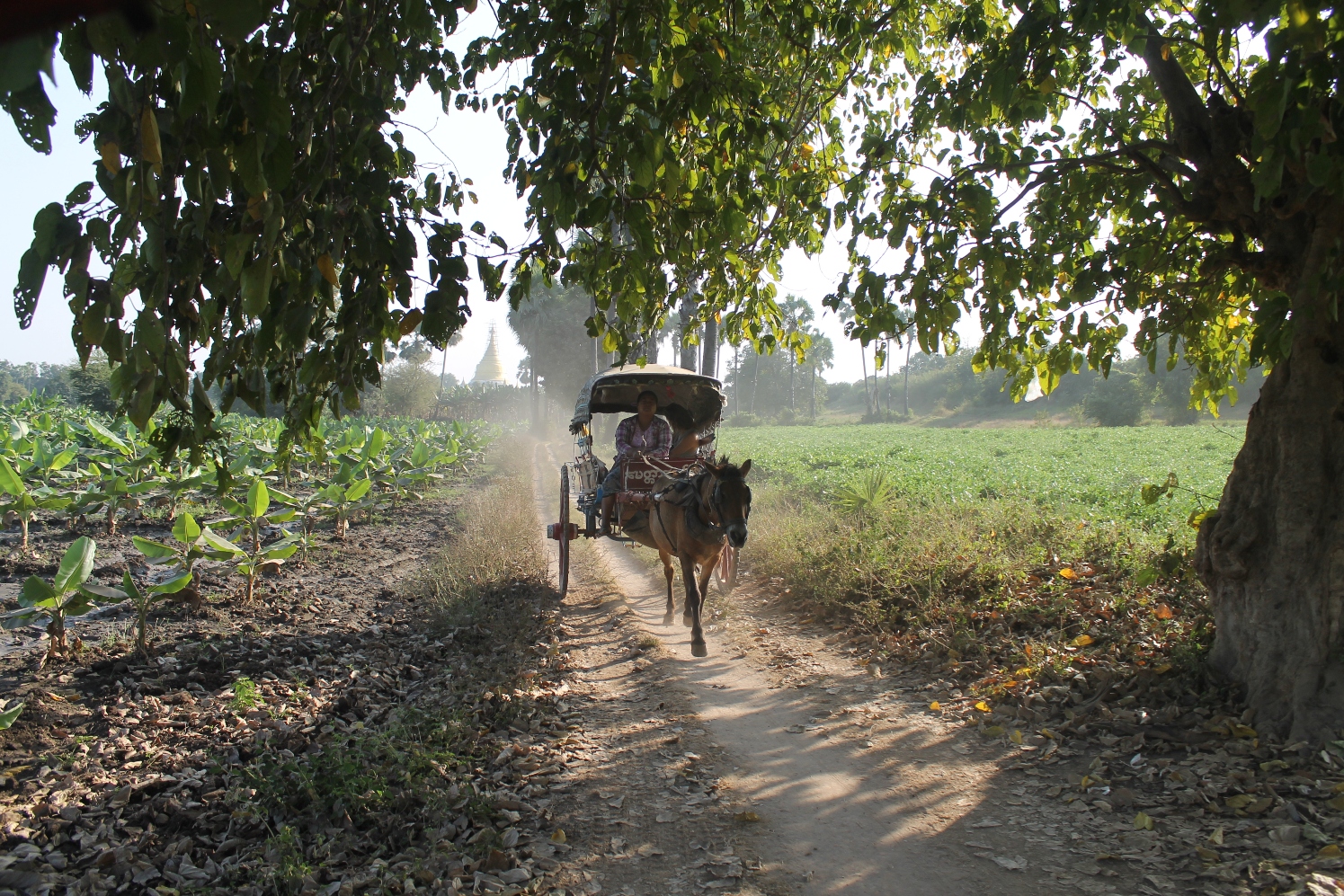
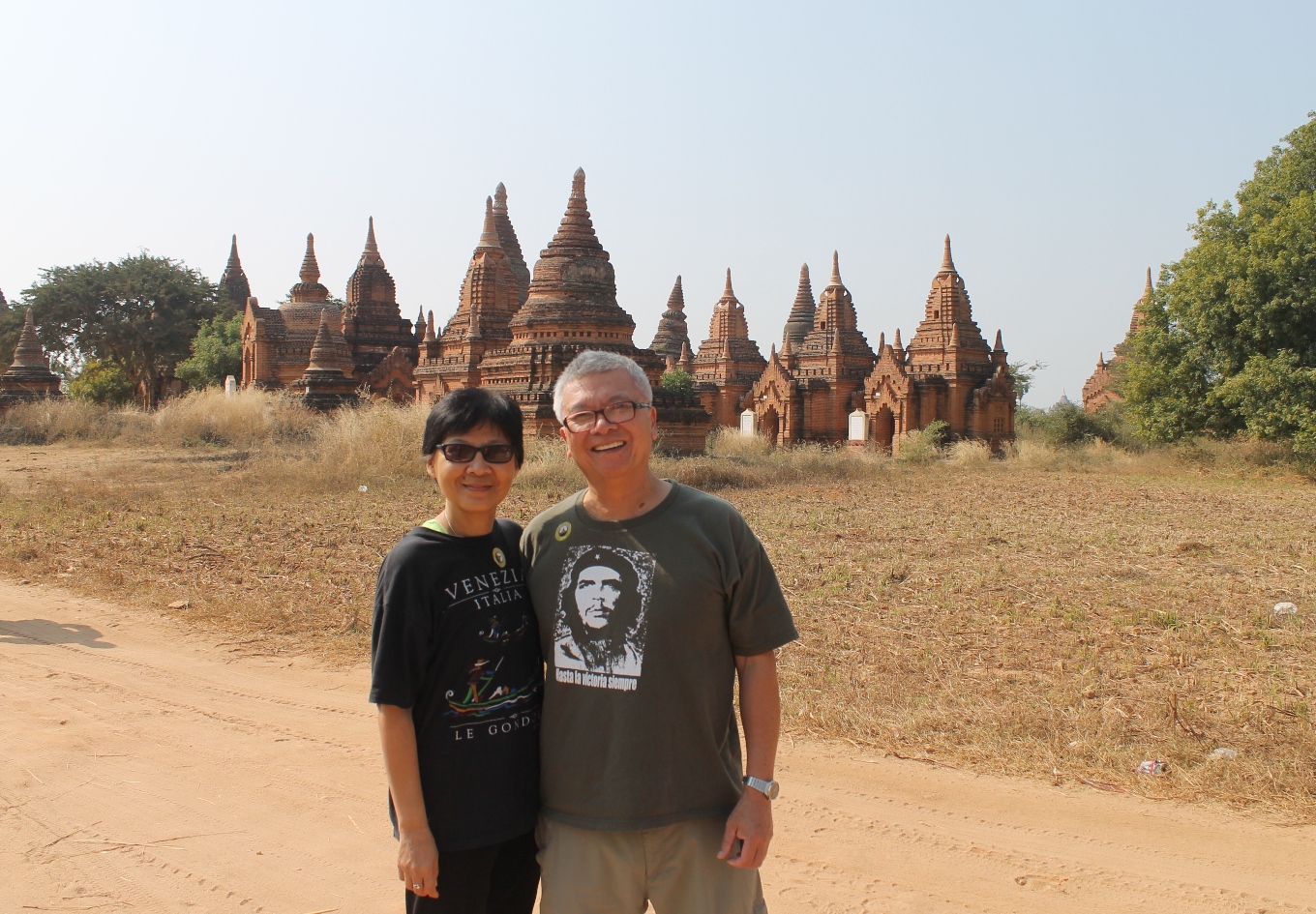
About an hour flight from Yangon is Bagan where thousands of stupas and pagodas rise up from the ground. We rode a horse cart passing by a plain dotted with thousand upon thousand of stupas. This mode of transportation is a way to go to really appreciate the serenity in this part of the world. Click-clock...click-clock...on a horse wagon that sorely needs some new shock, we trotted our way to some remote temples. On the way, we passed by a lusted banana field, we saw a young man herding his cows in the heat of the day in a dusty field, we saw pagodas rise up from the bright green muddy rice fields. We rode under a trees-lined dirt road. What a way to day-dream a simple life, I wished.
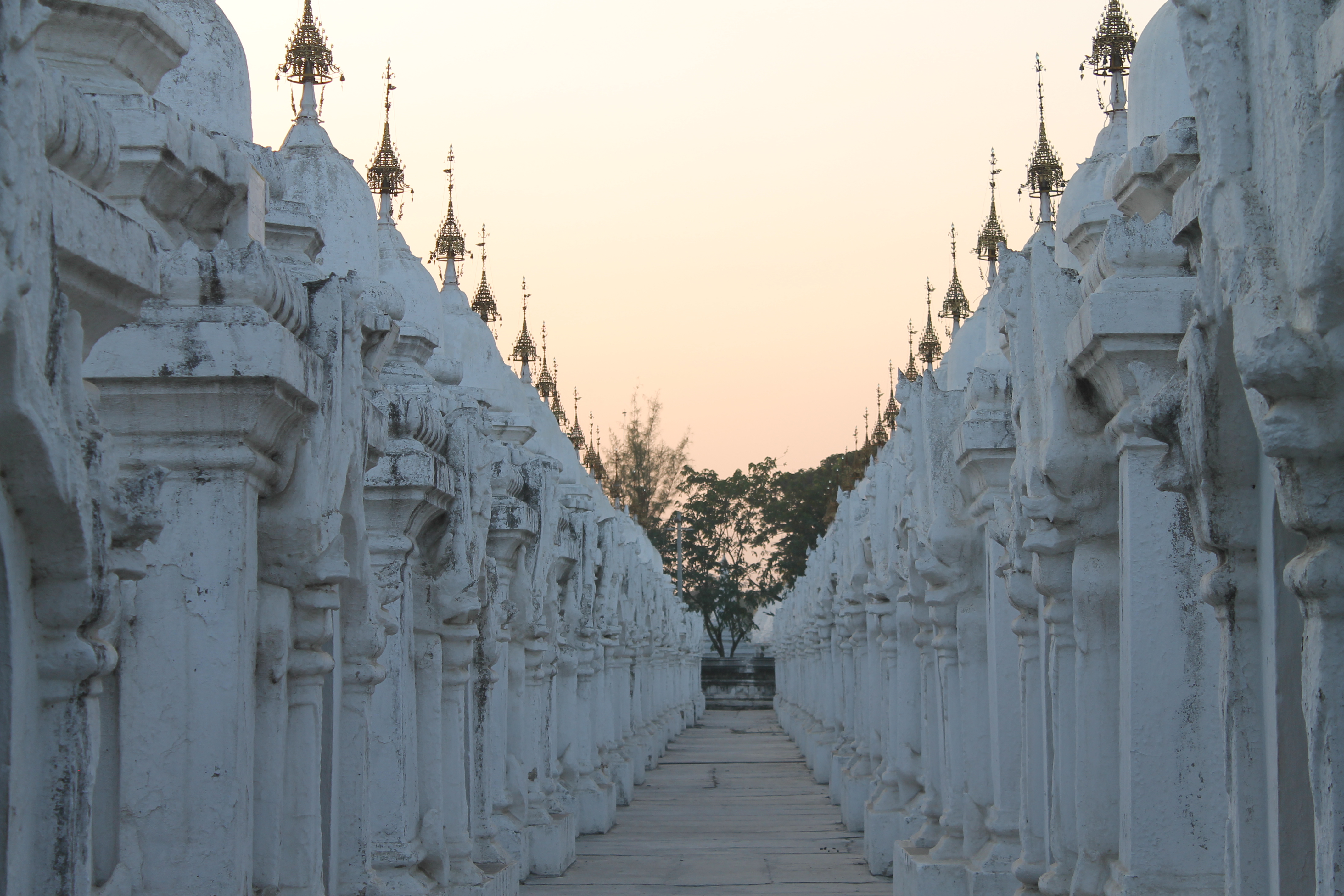
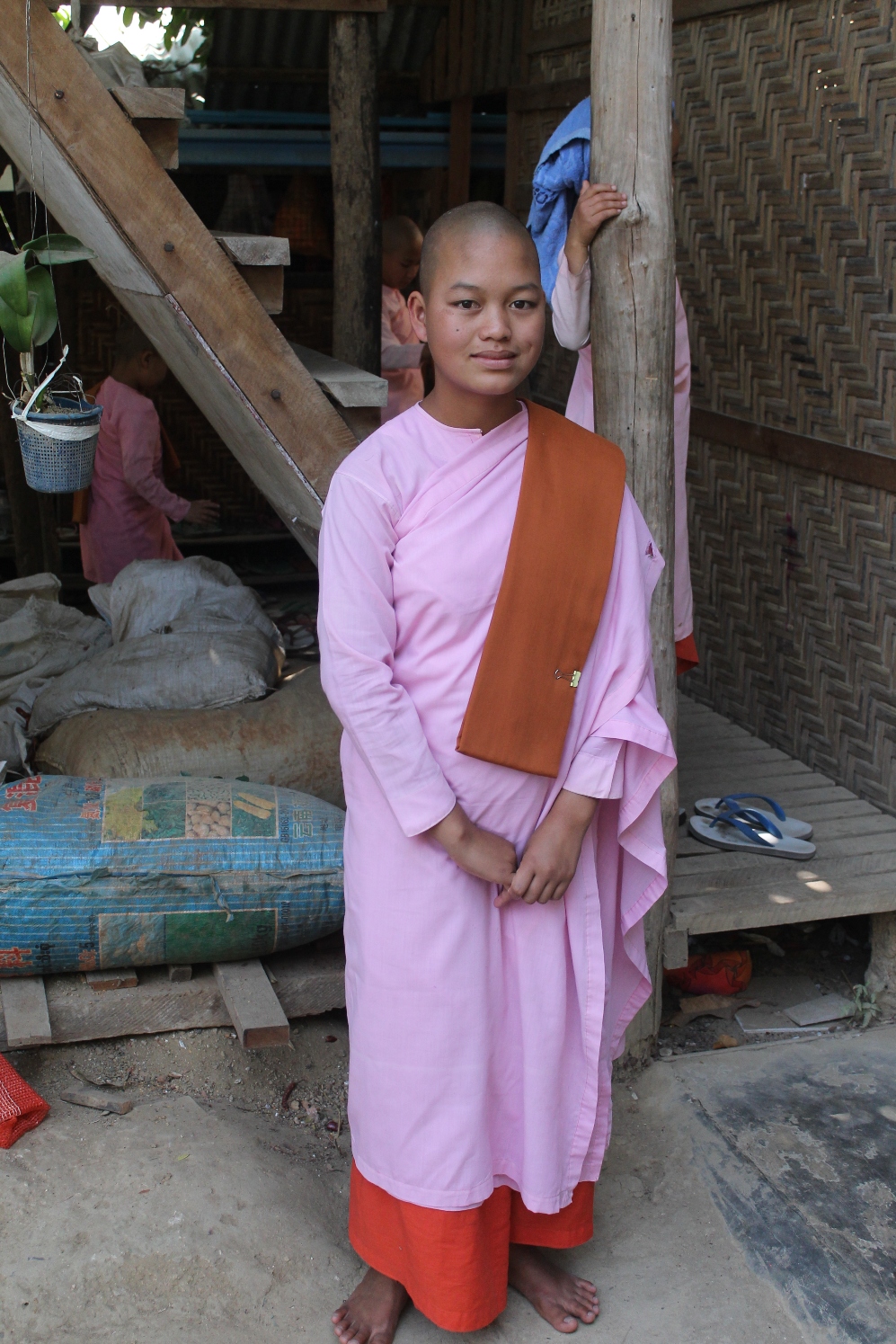
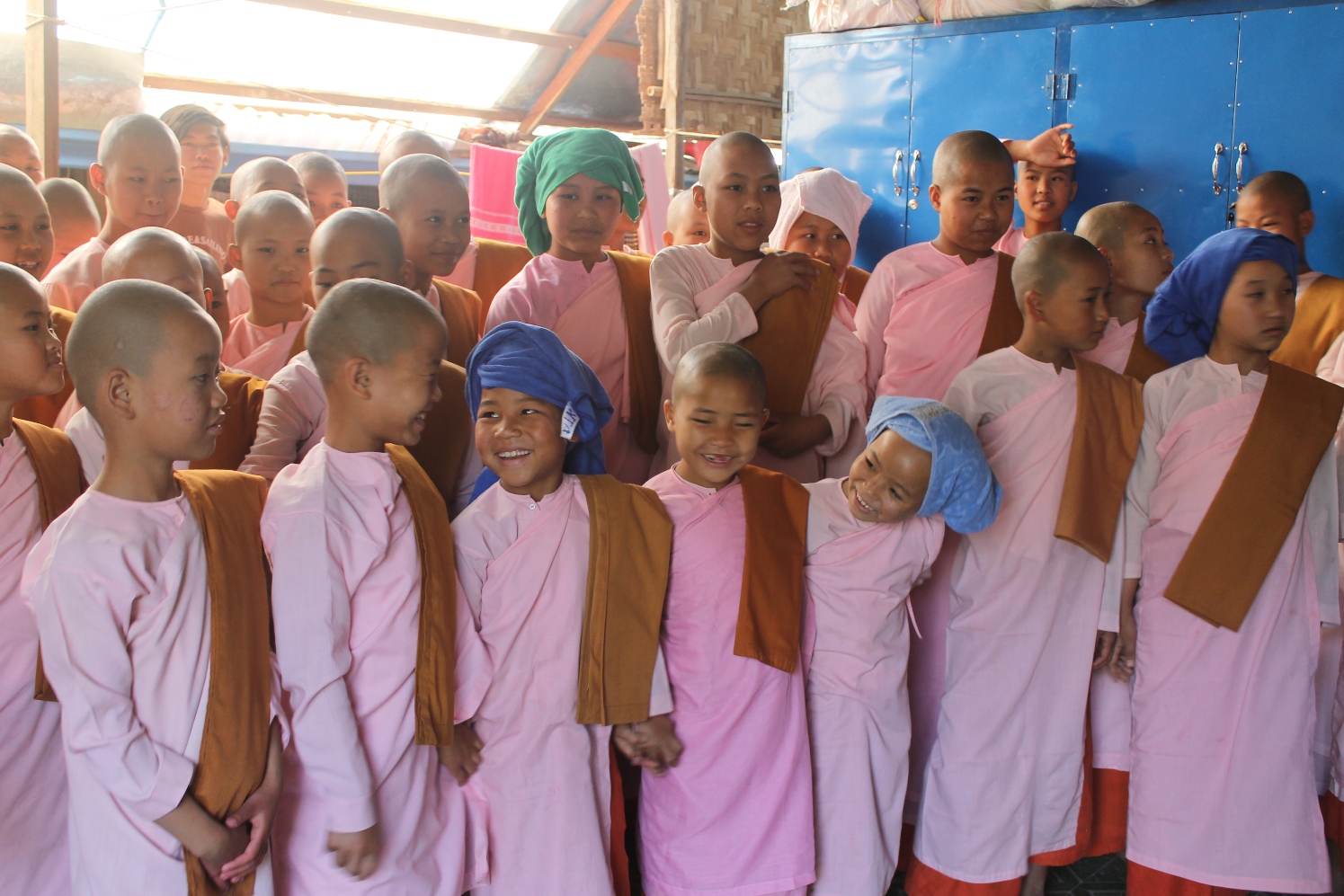
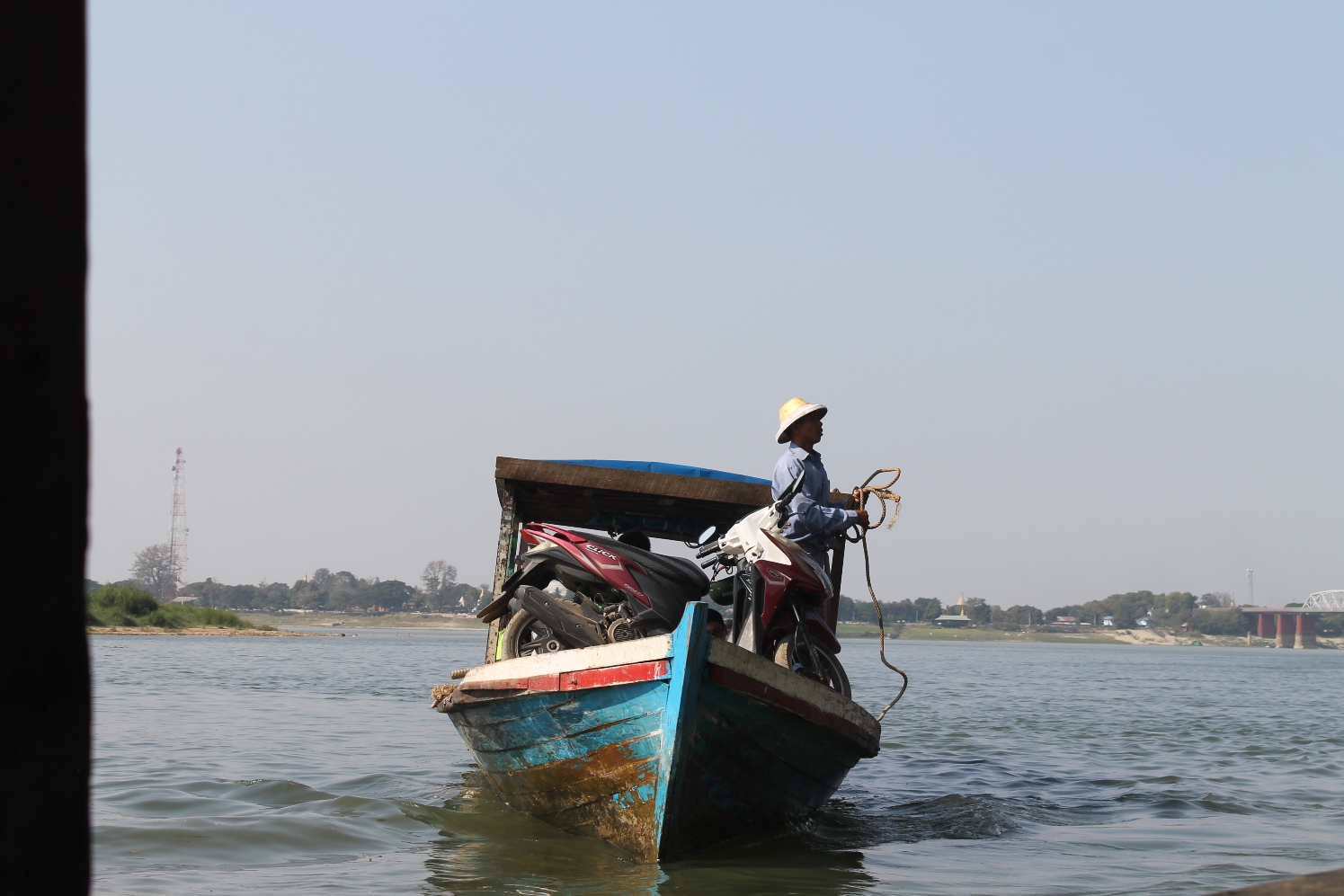
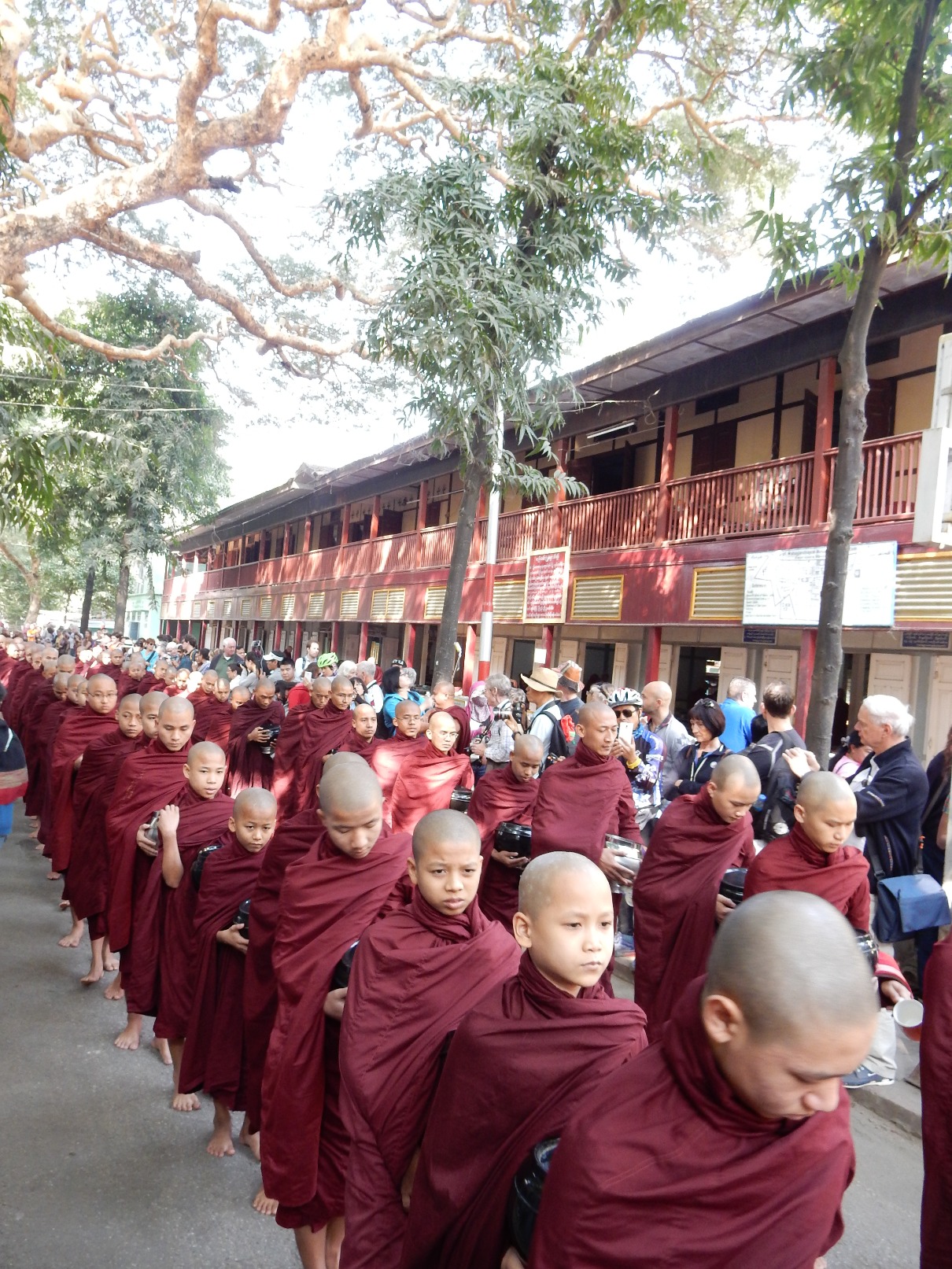
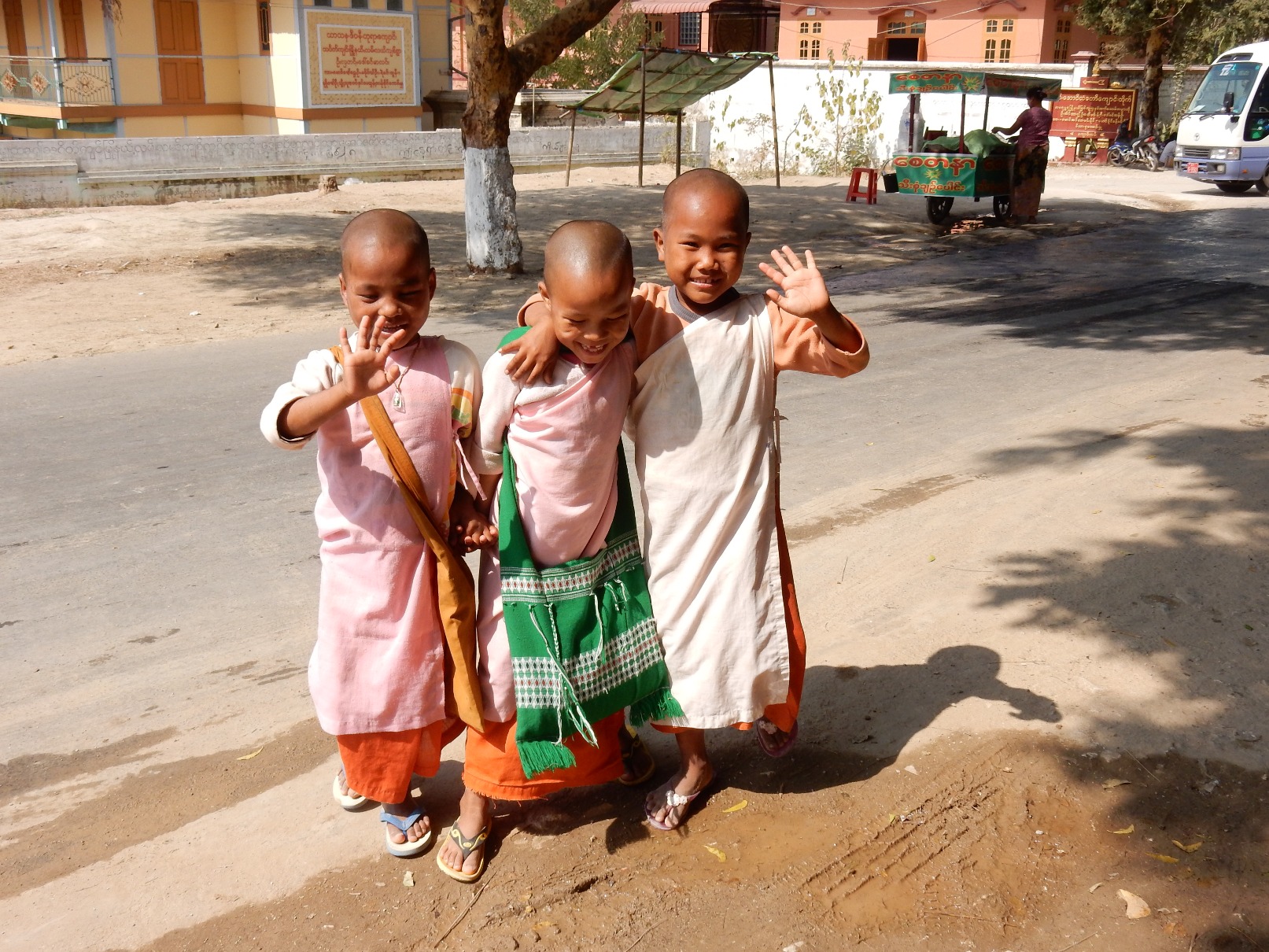
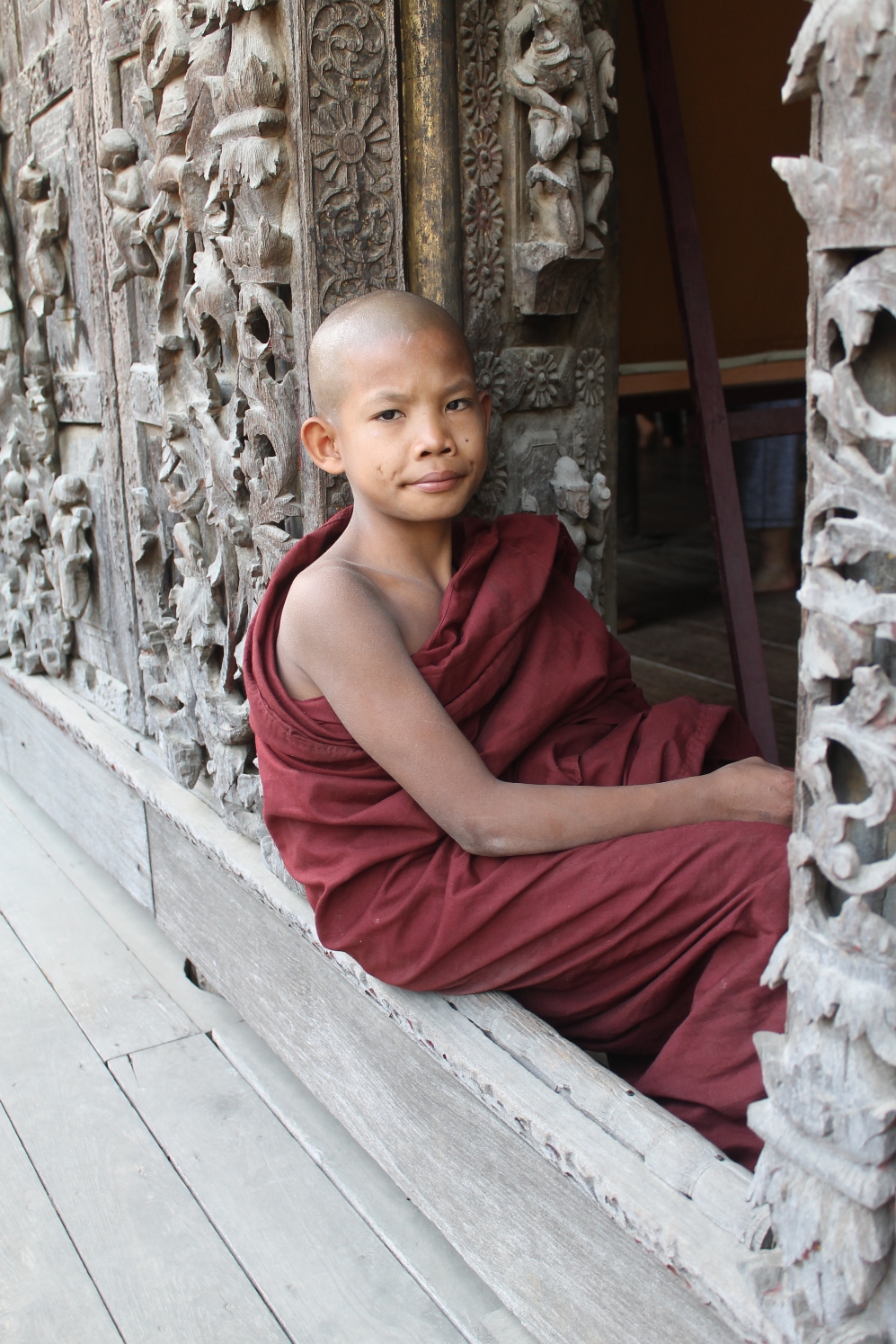
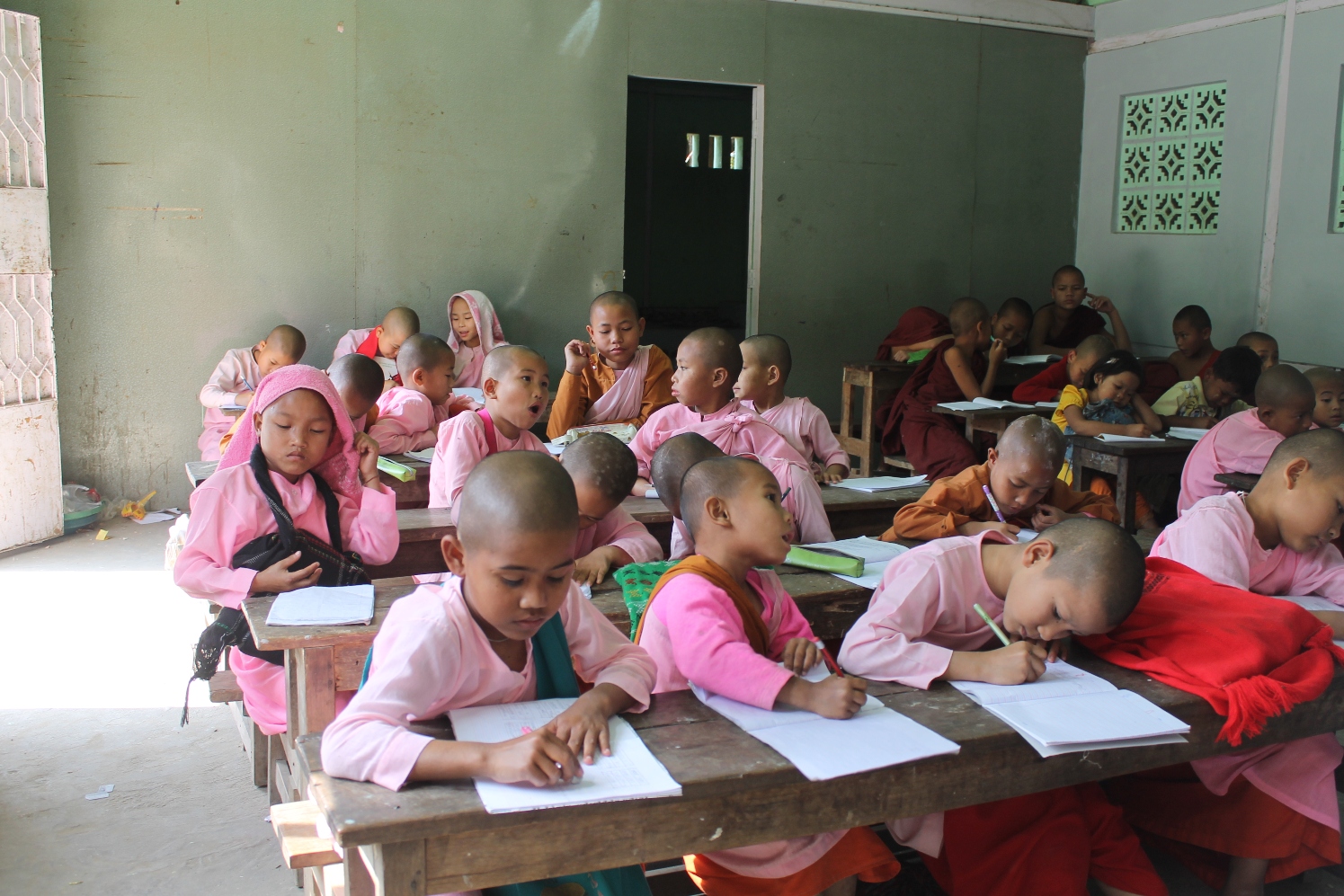
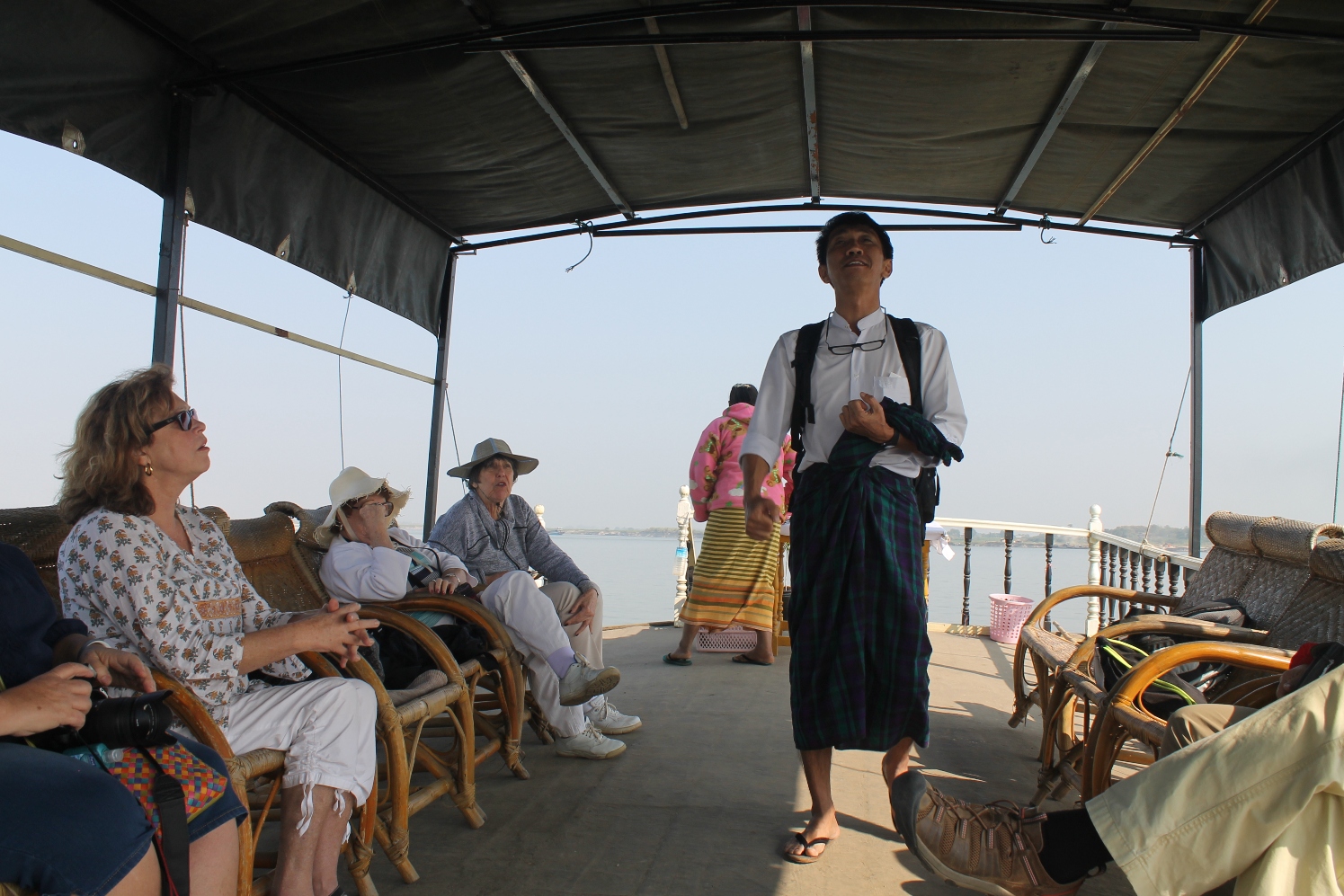
From Bagan, just a short 30 minutes flight put us in Mandalay, the second biggest city in Myanmar. Here we had a chance to visit many monasteries and nunneries. People here are true believers of Buddhism, and in return the religion offers the social, educational support to its followers. Among other things, it teaches its people of a peaceful, less materialistic way of life. At sunset, we took a boat out on the lake Taungthaman in Mandalay where we enjoyed the spectacularsunset on the horizon with the U Bein Bridge in the foreground, the longest teak bridge in the world. Pedestrians, monks, bicyclers, all pleasurably stroll on the bridge going somewhere.
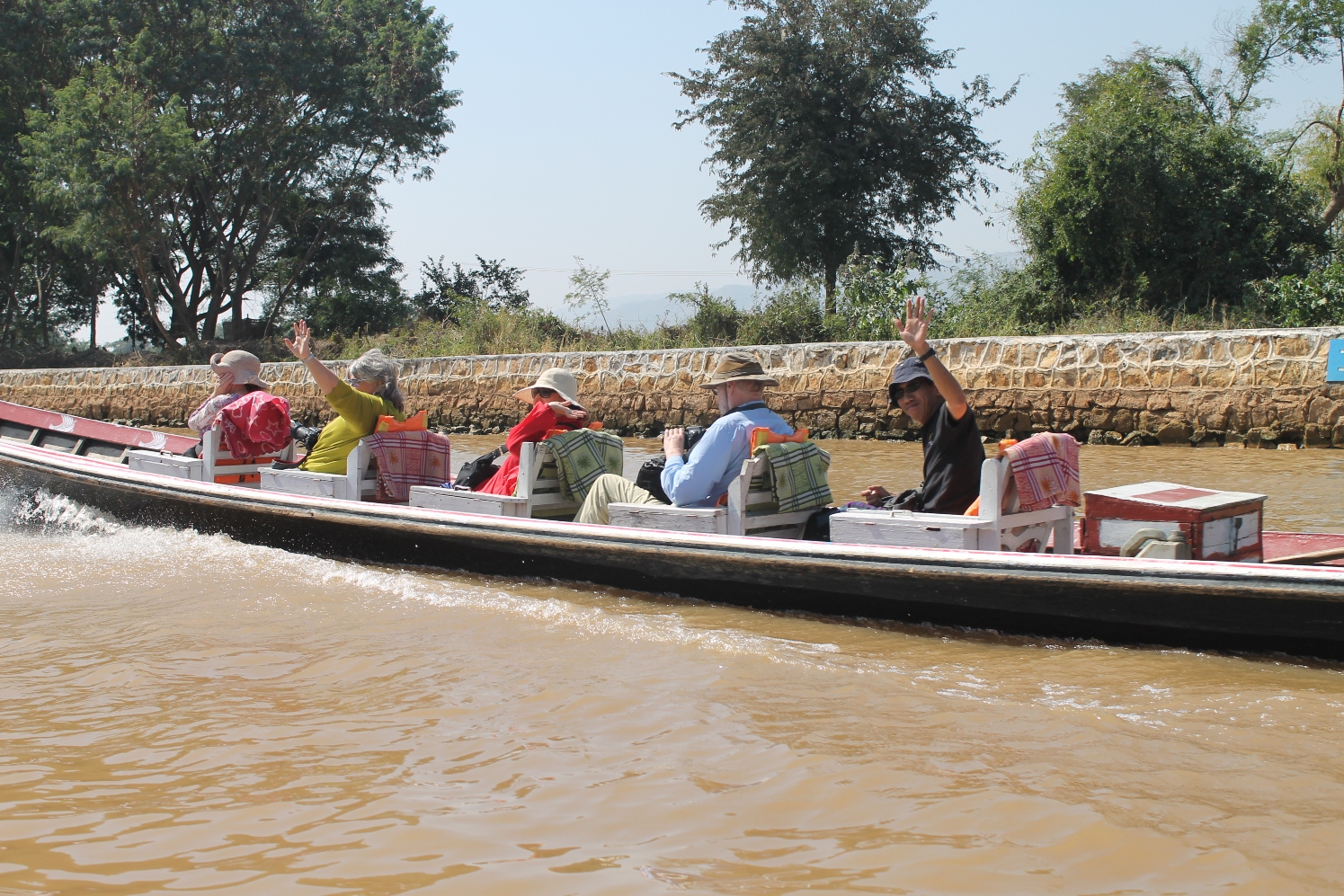
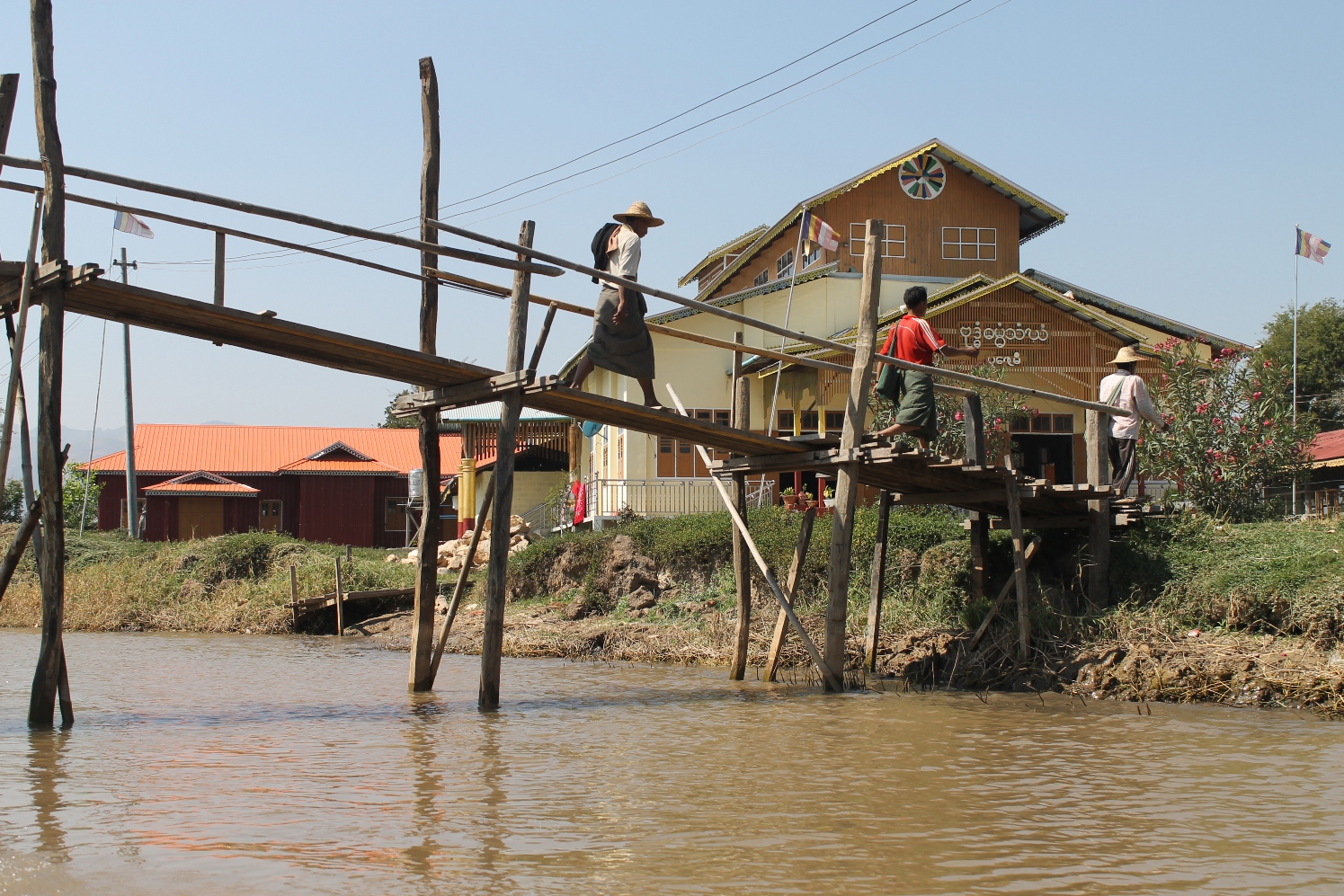
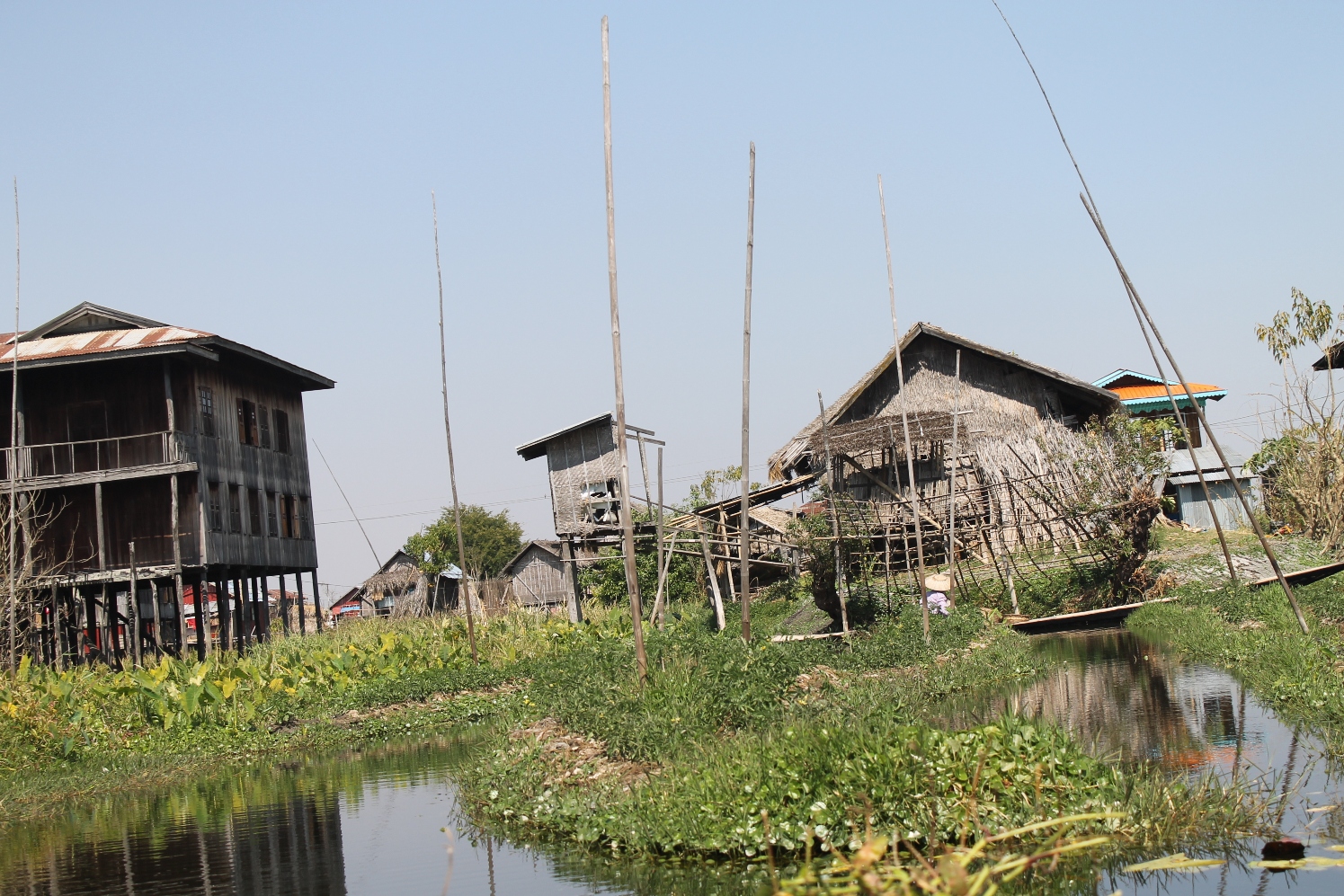
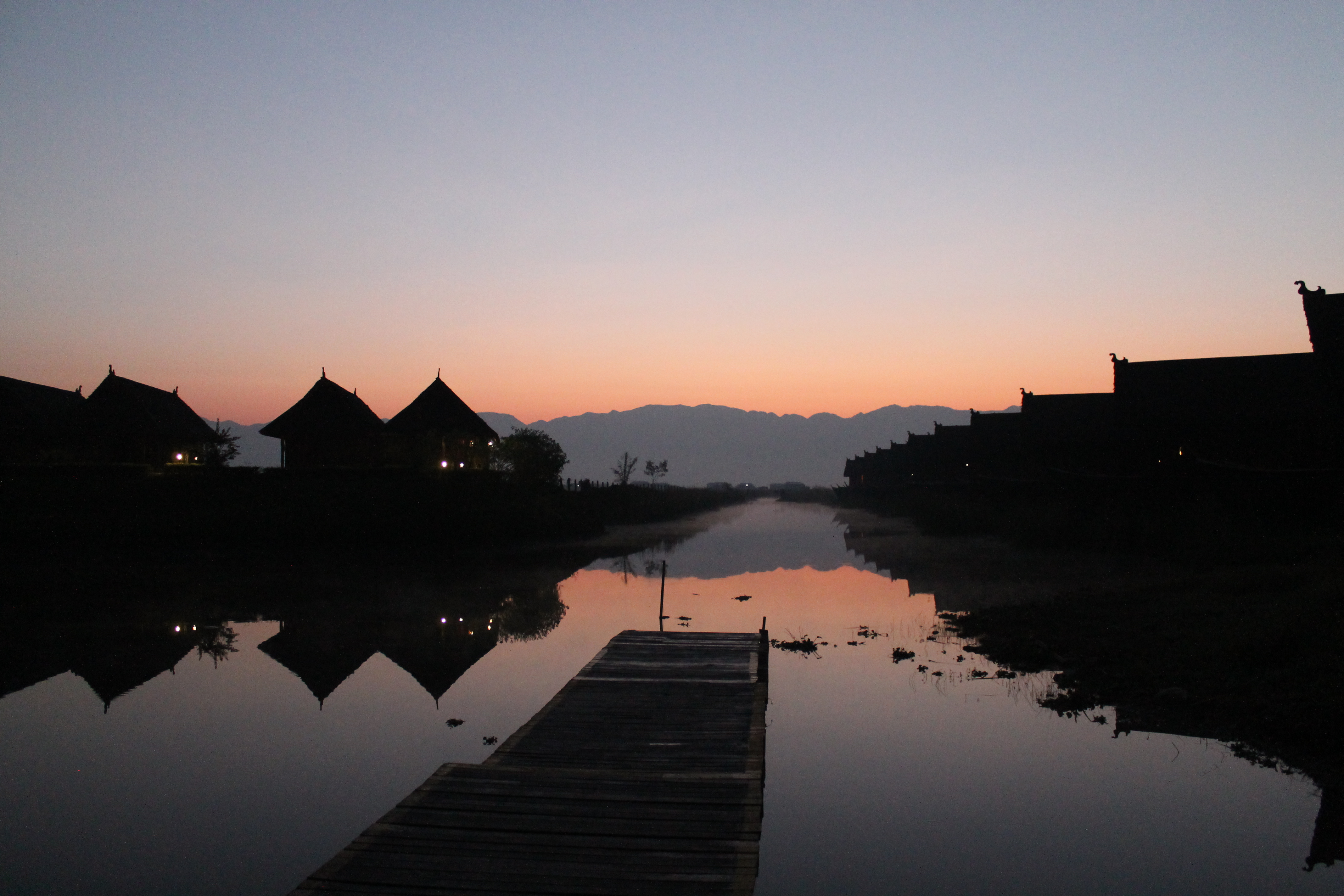
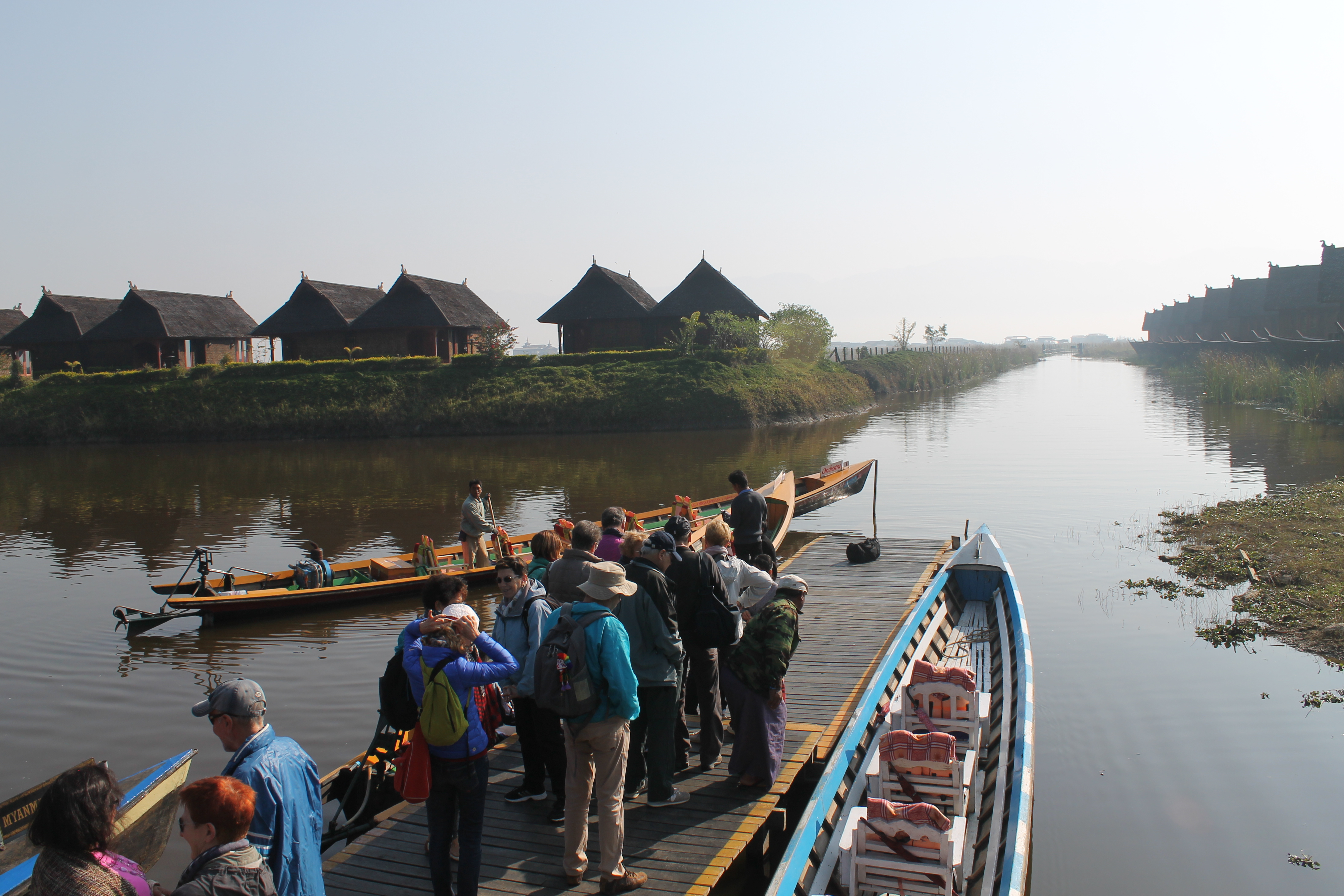
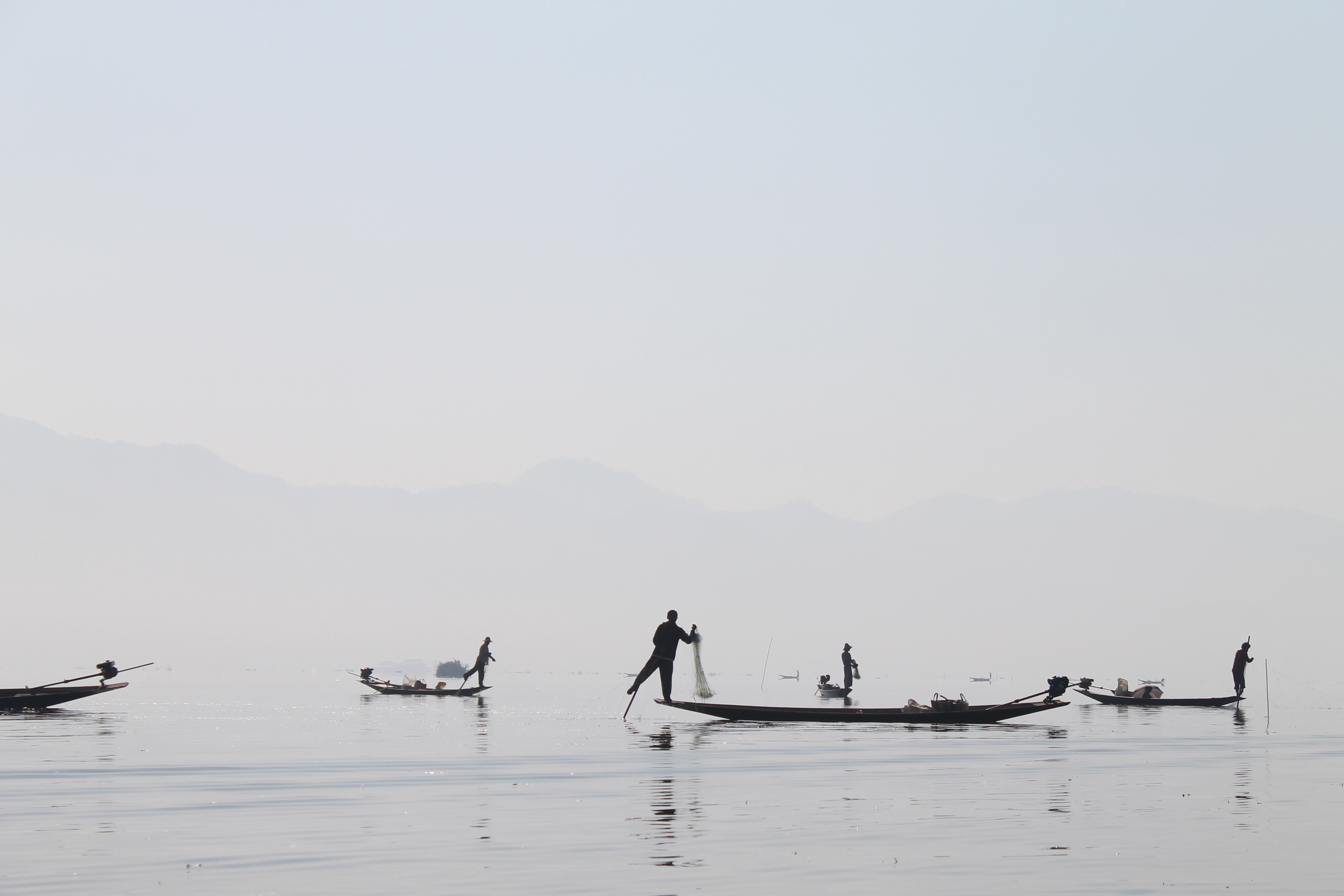
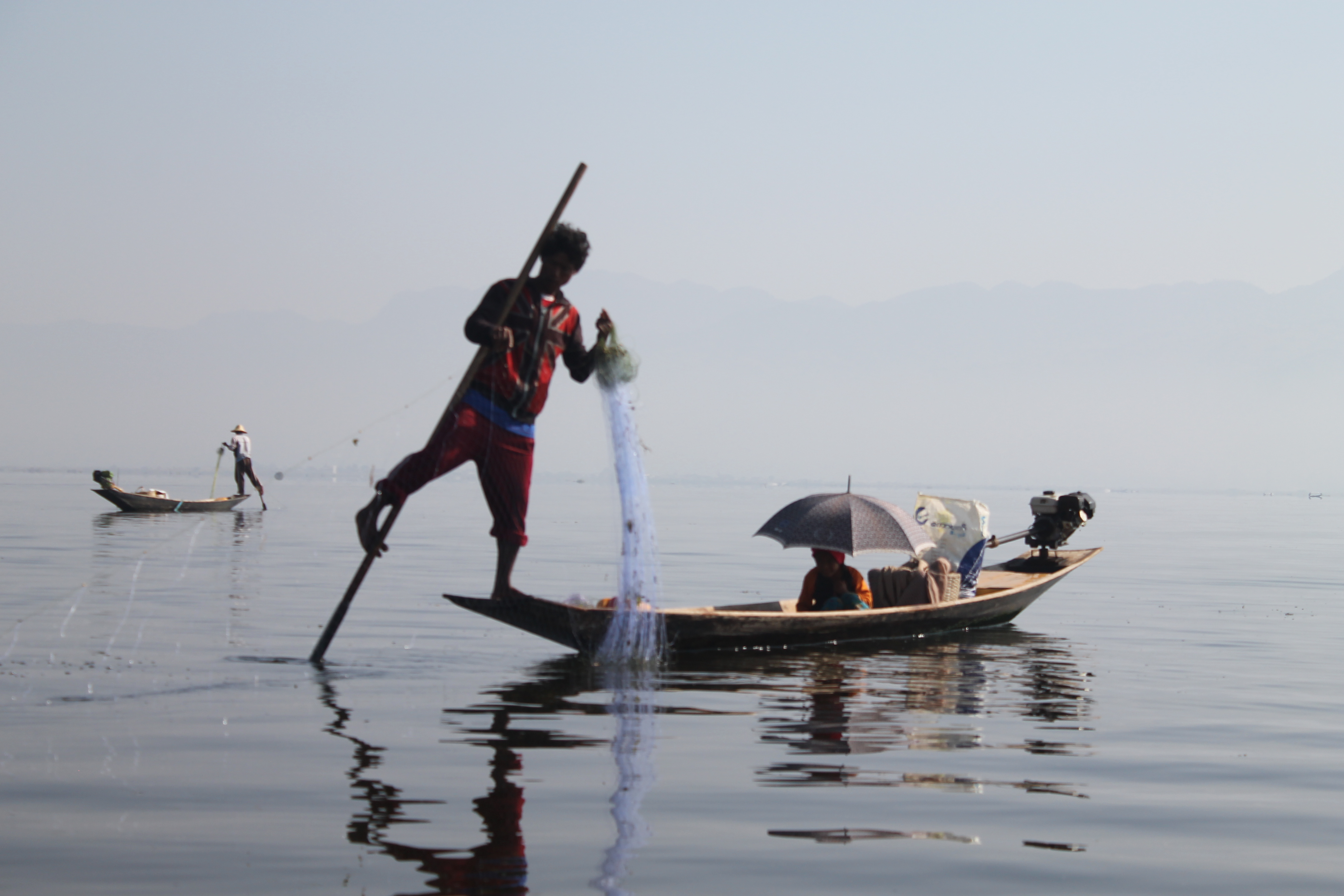
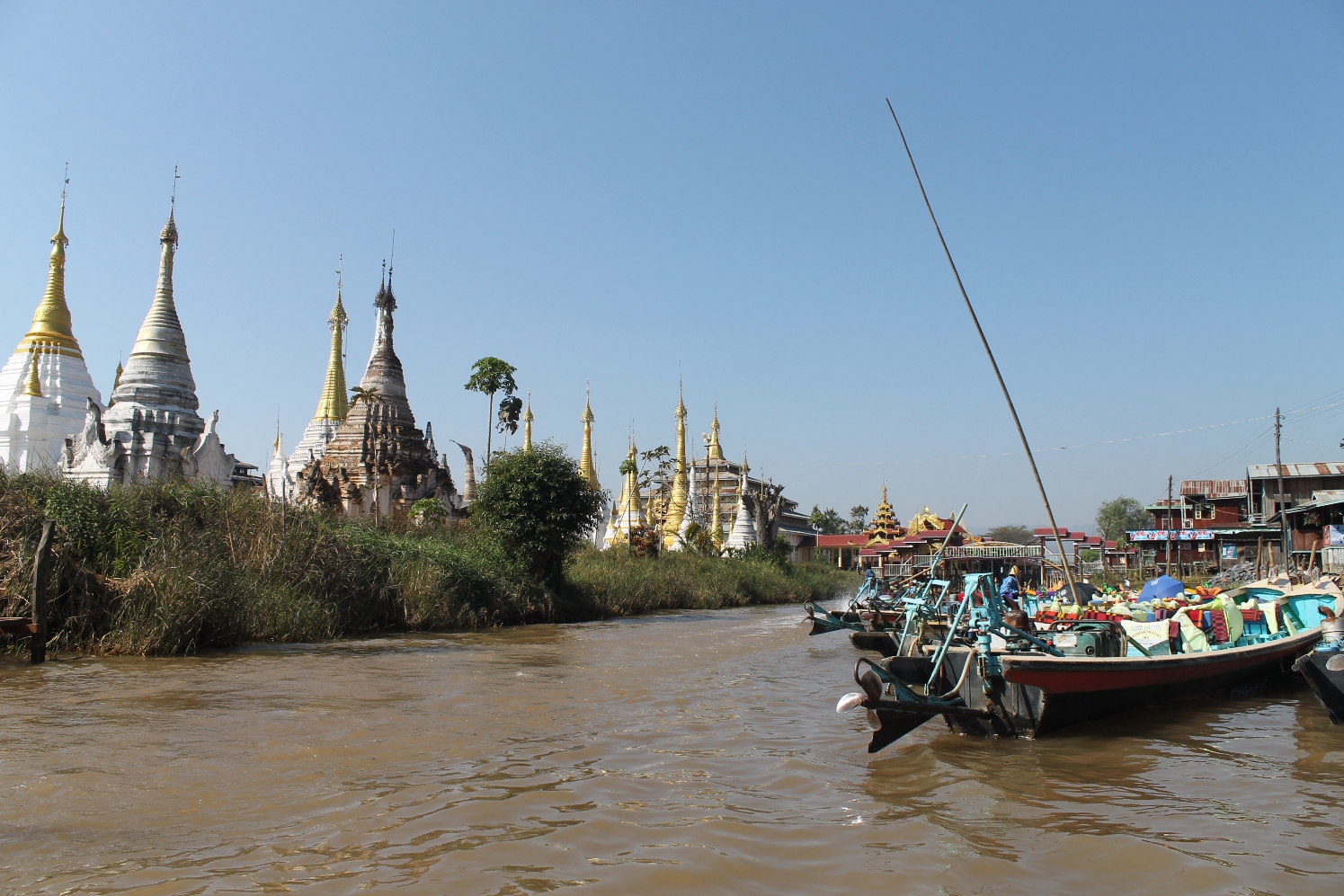
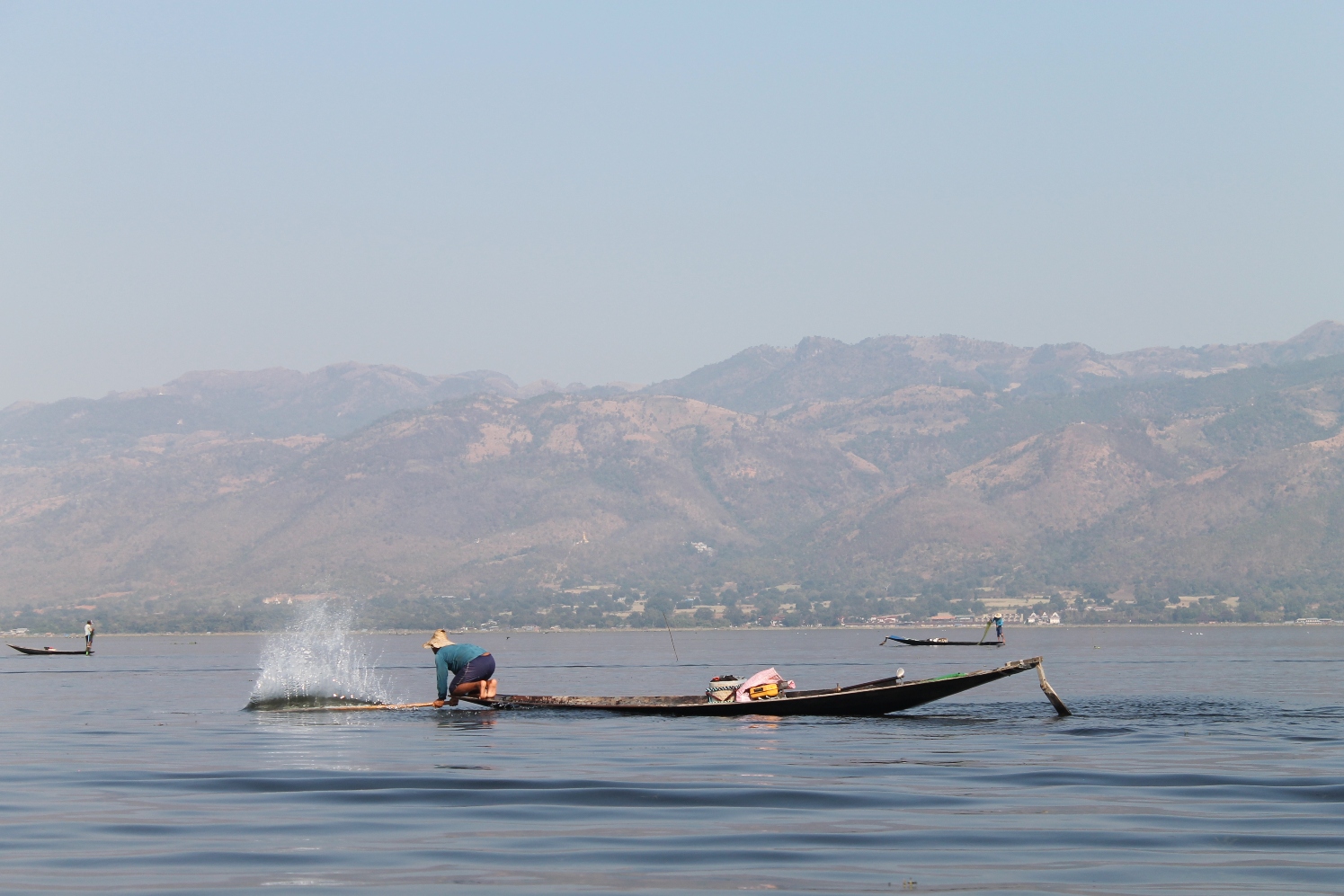
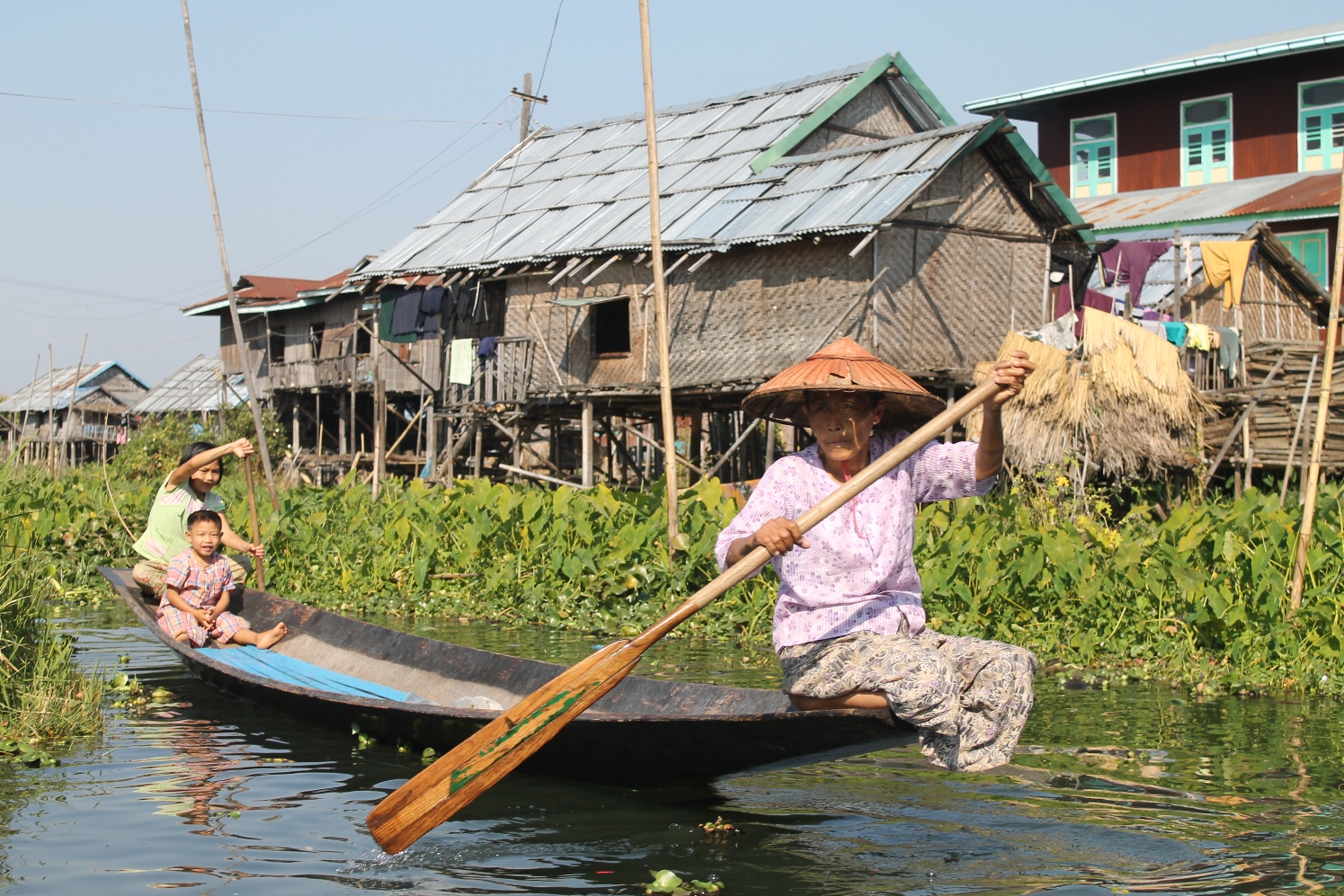
From Mandalay, we took a 30 minutes flight to Heho, where Inle Lake offers a quite different view of Myanmar. This is the home of Intha people where daily fishing included the unique style of one leg rowing technique. We also saw fisherman, beating the water with his oar to drive his catches into the fishing net. On the lake, we saw a floating garden and pile dwellings on the shore.
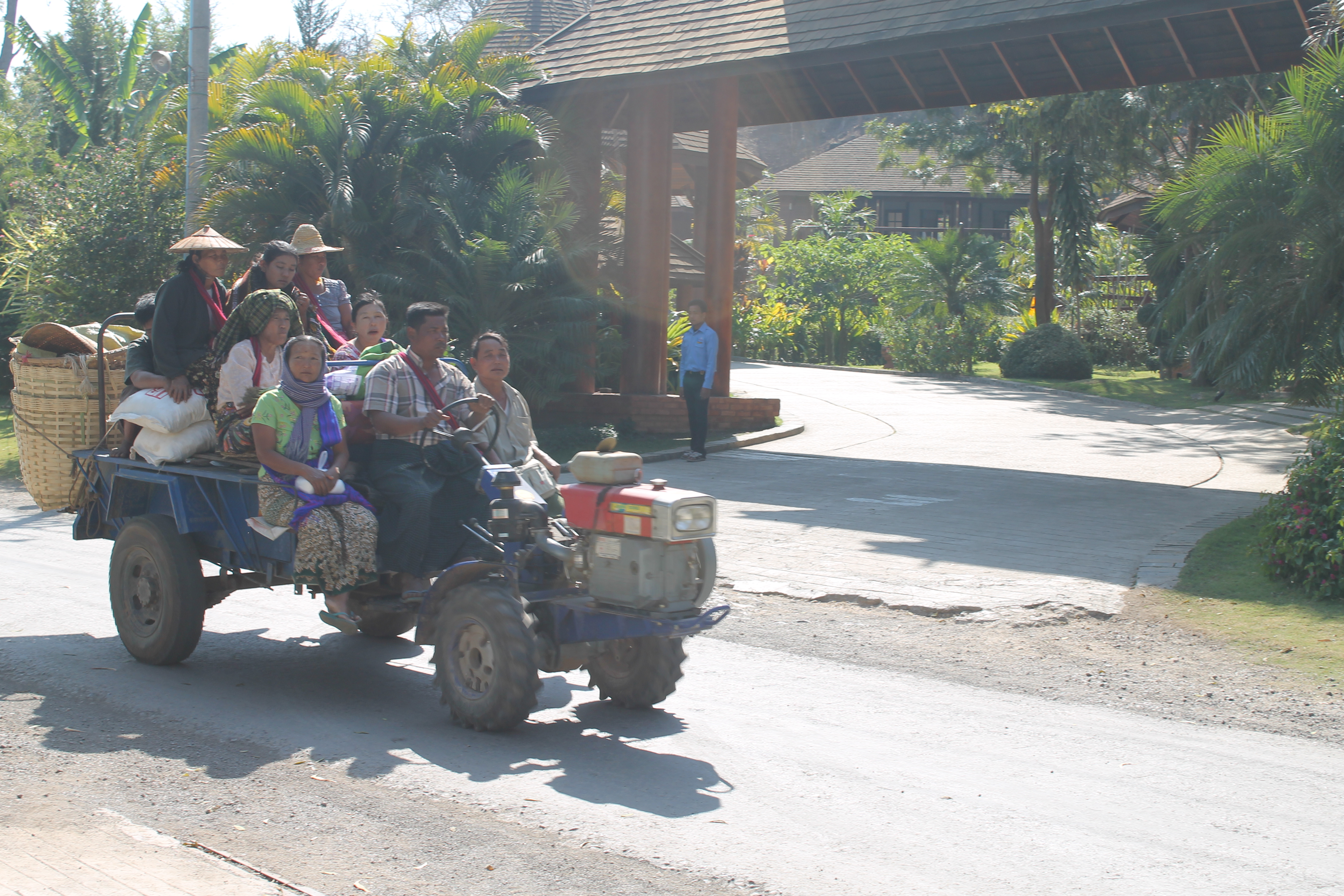
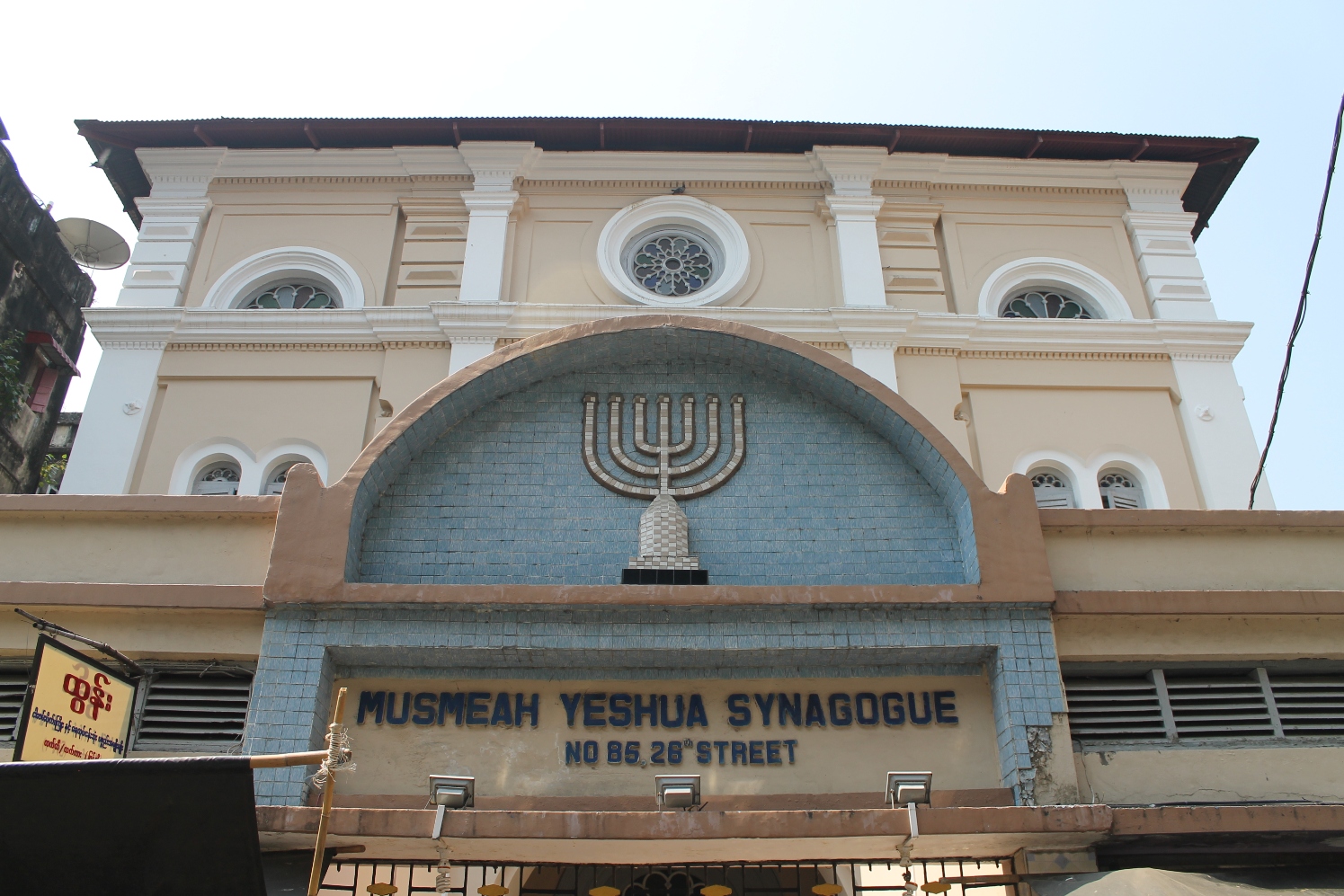
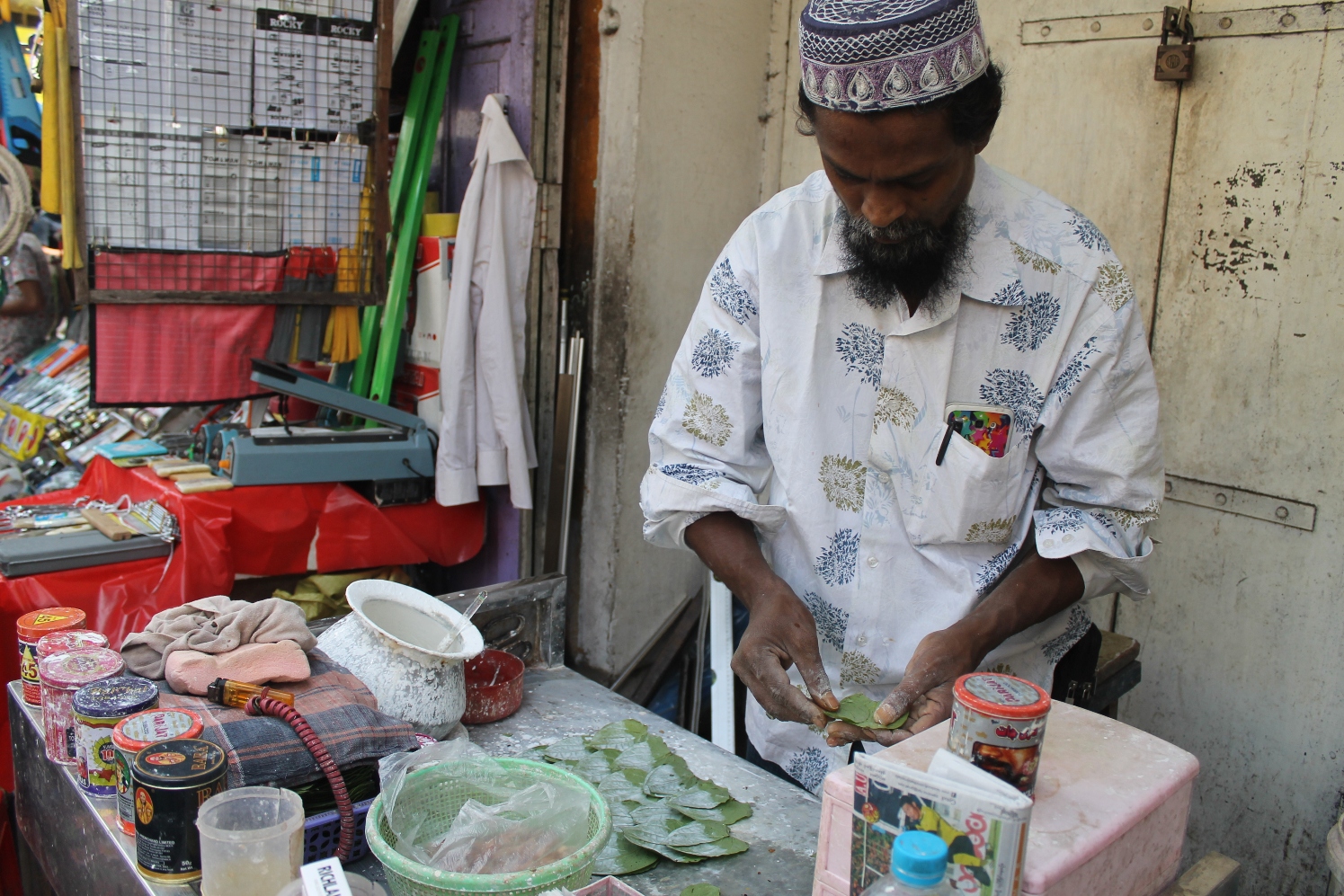
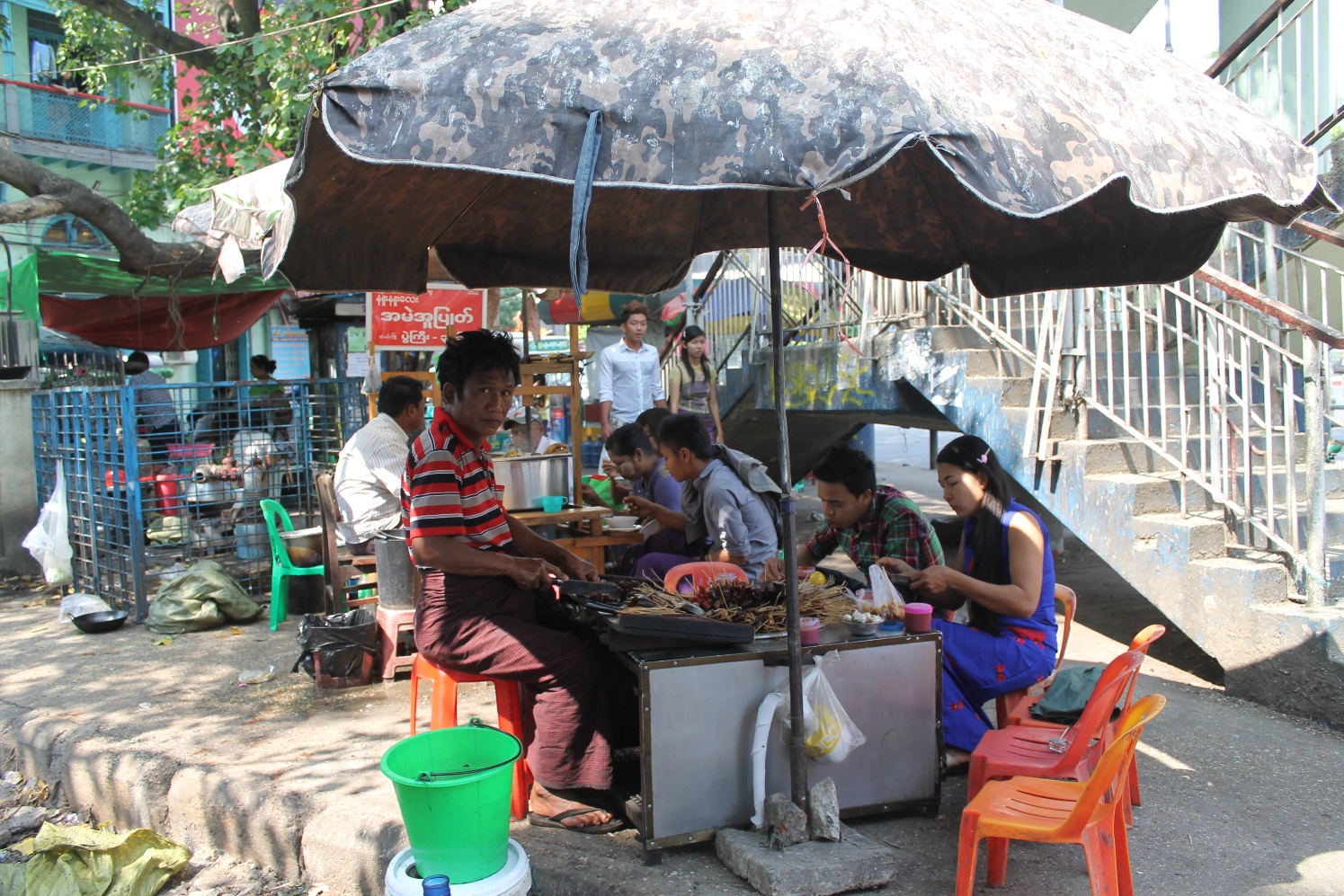
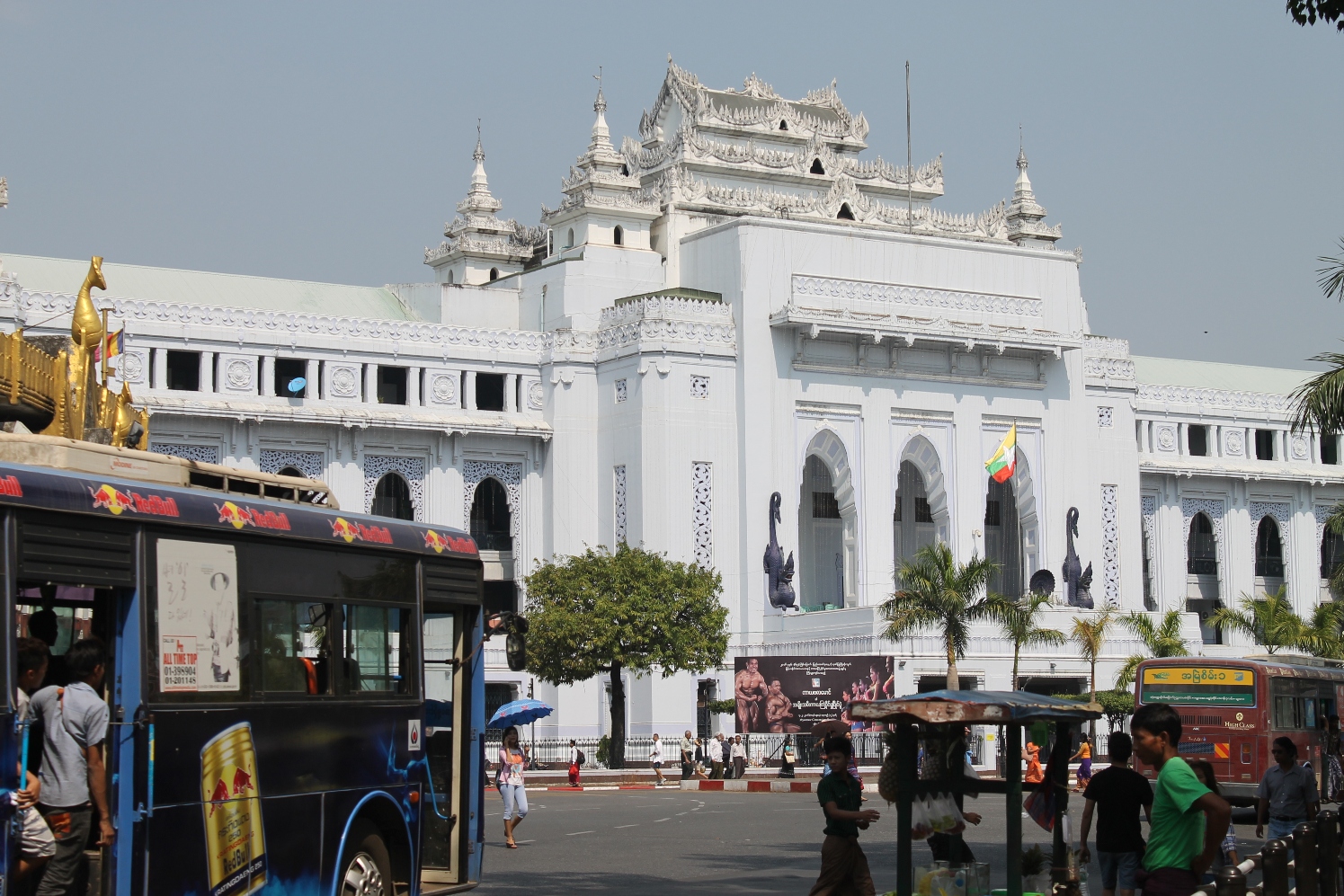
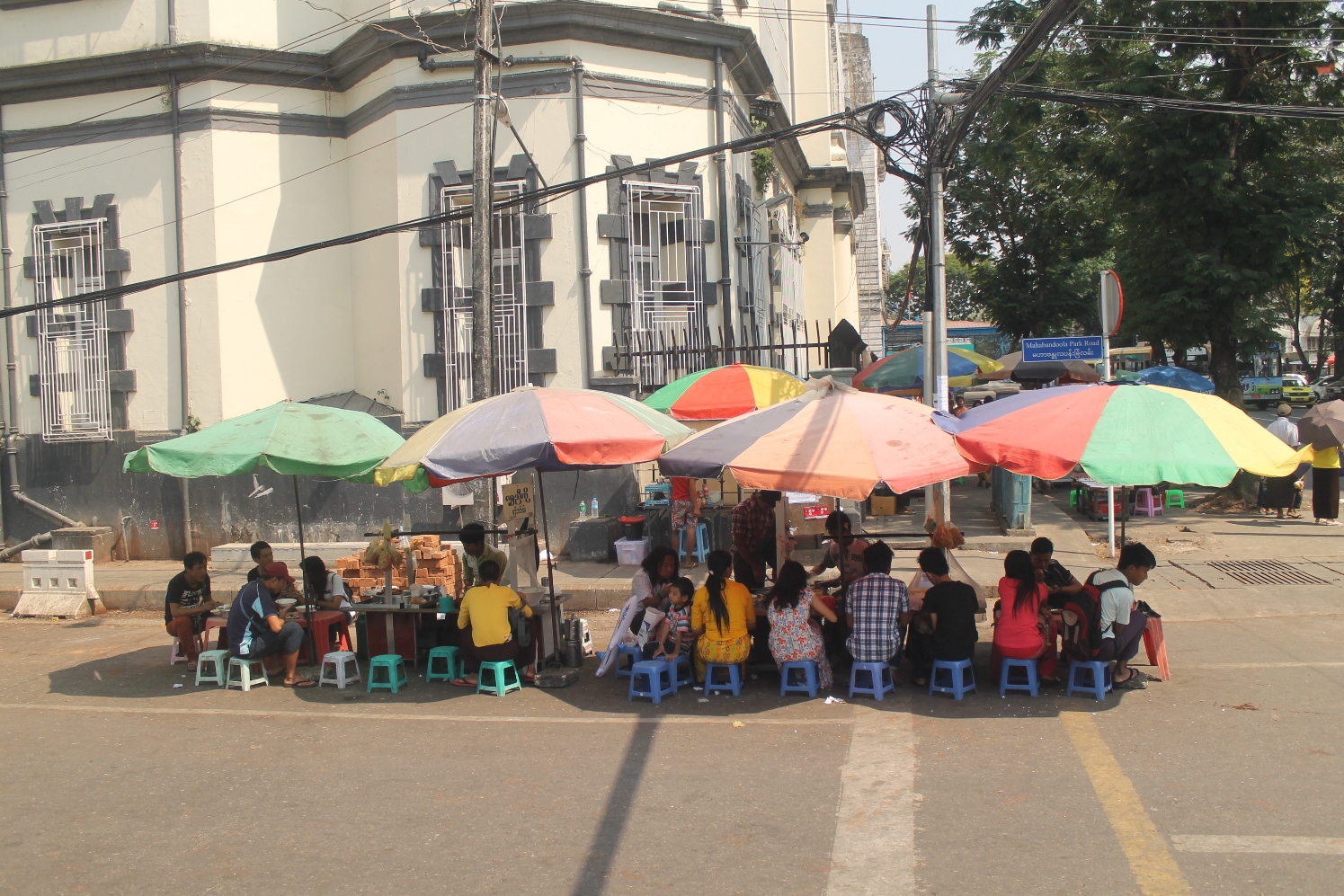
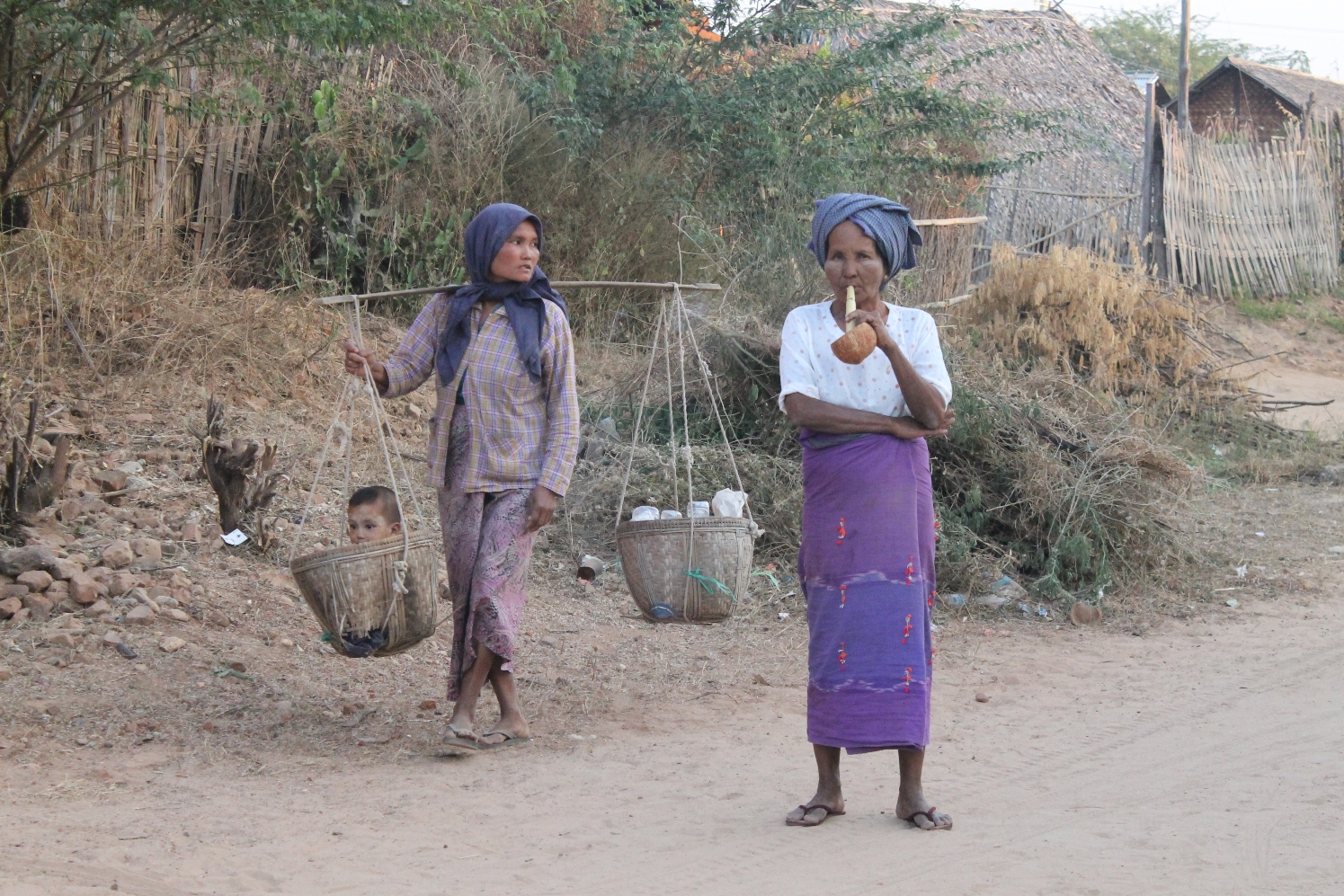
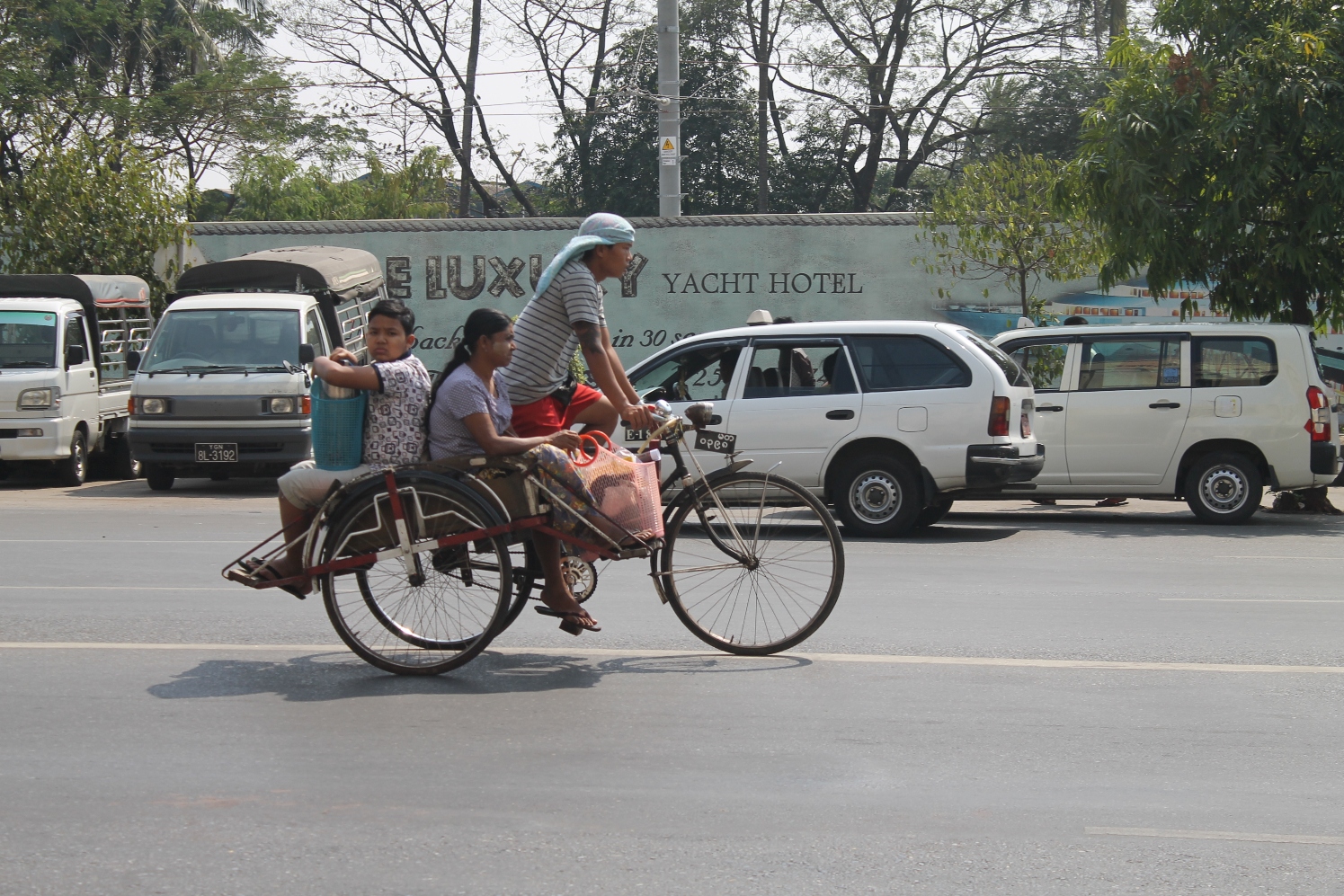
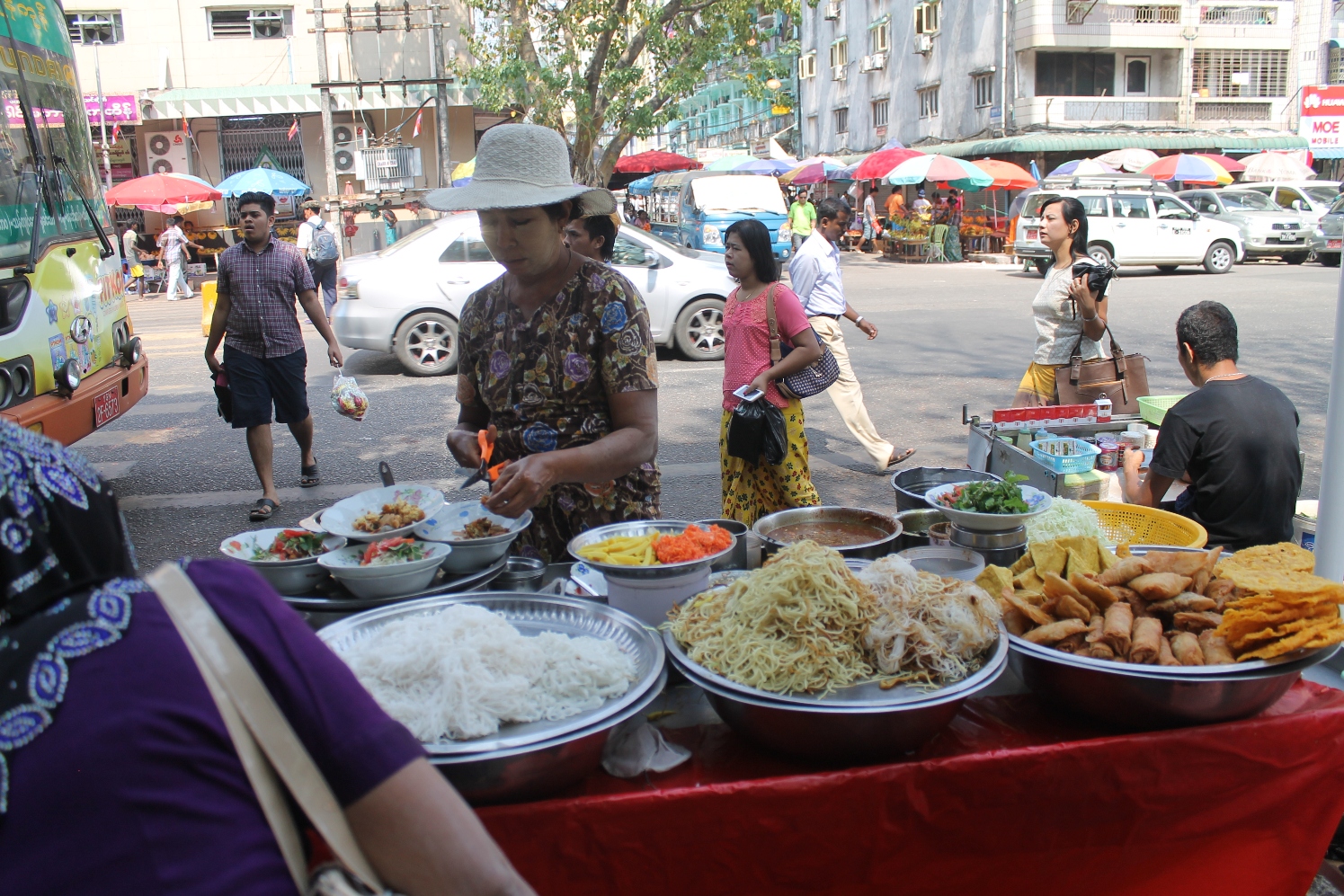
We ended our trip returning to Yangon and strolled thru busy downtown sections, where the Burmese, the Chinese, the Indian, and the Jewish synagogue are all happily mingled together. Unlike, in Paris, where one should be mindful of the dog’s stuffs on sidewalk, here we dodged our way among throng of people and Betel chewing tobacco spitting on the street as the locals normally do. We jostled our way to the famous Strand Hotel to have a refreshment break and admired the British colonial past thru its architecture.
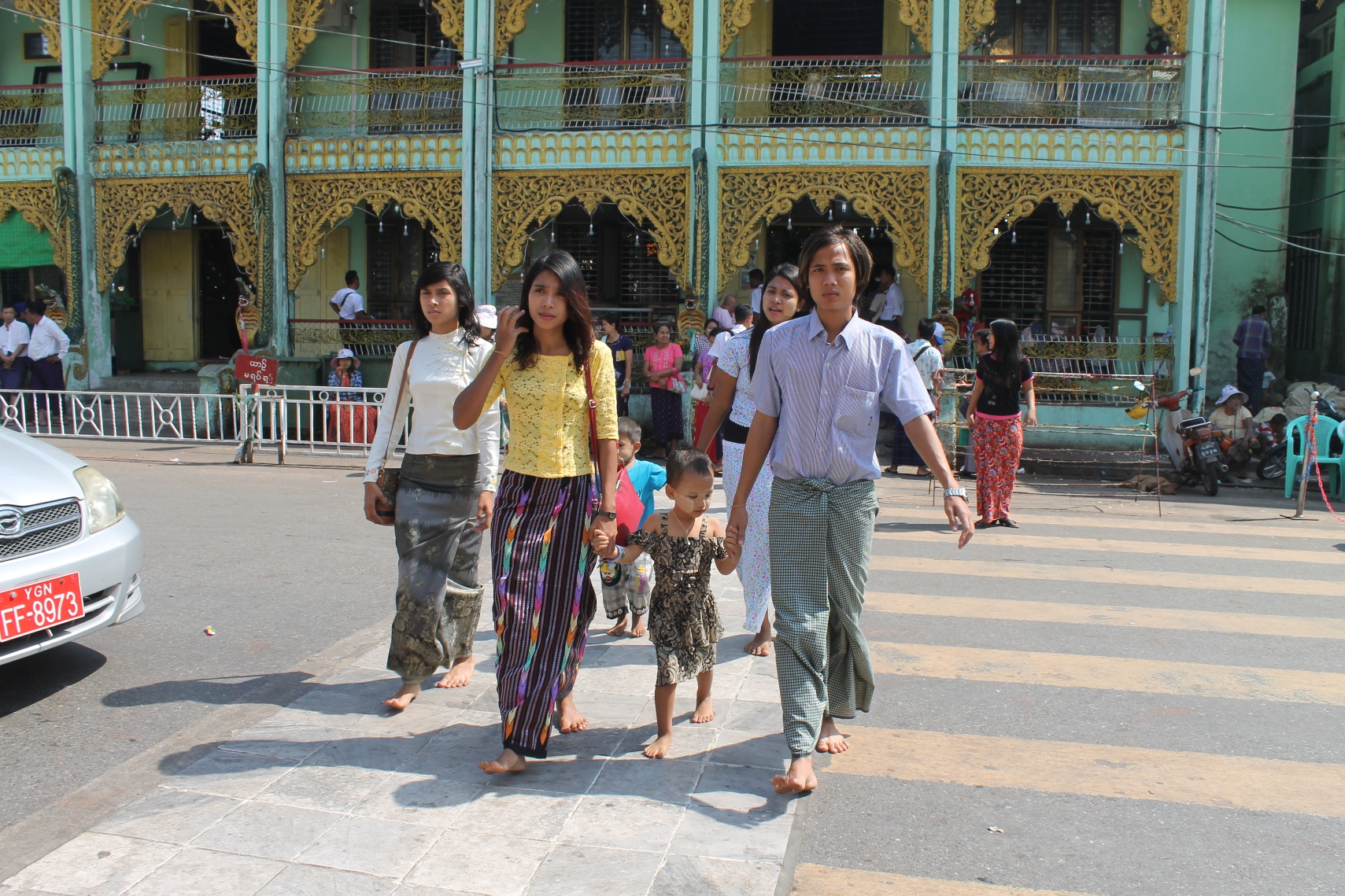
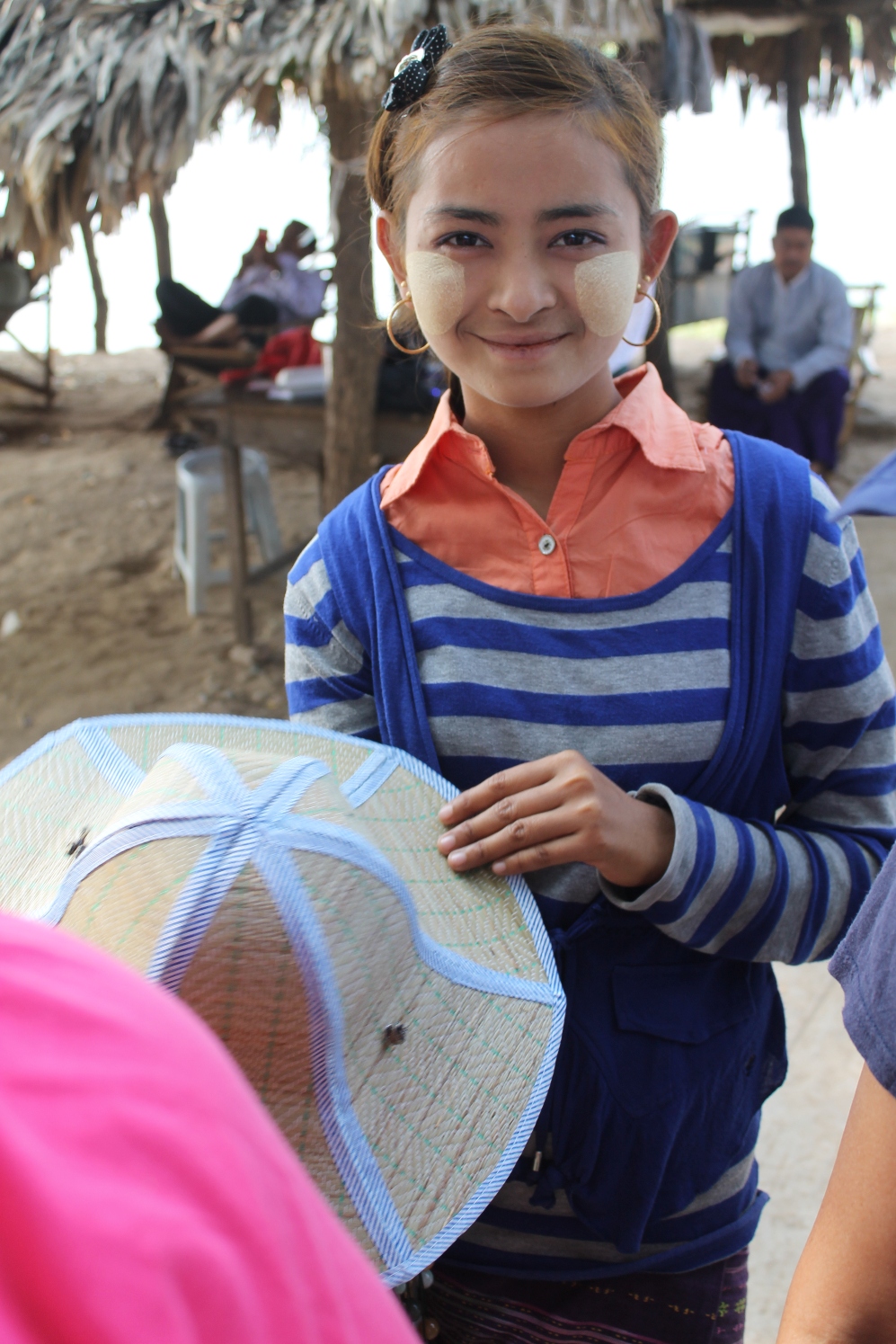
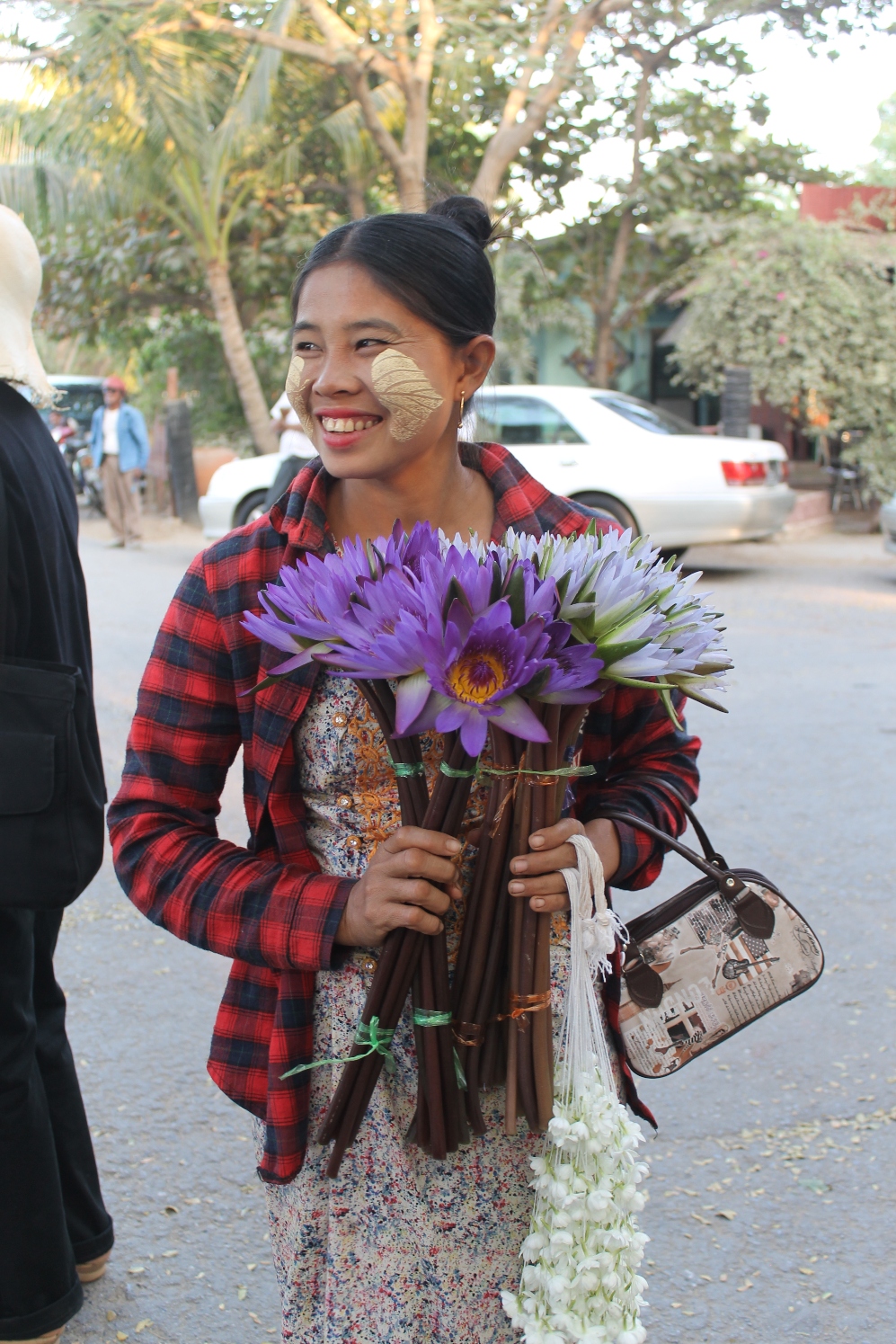
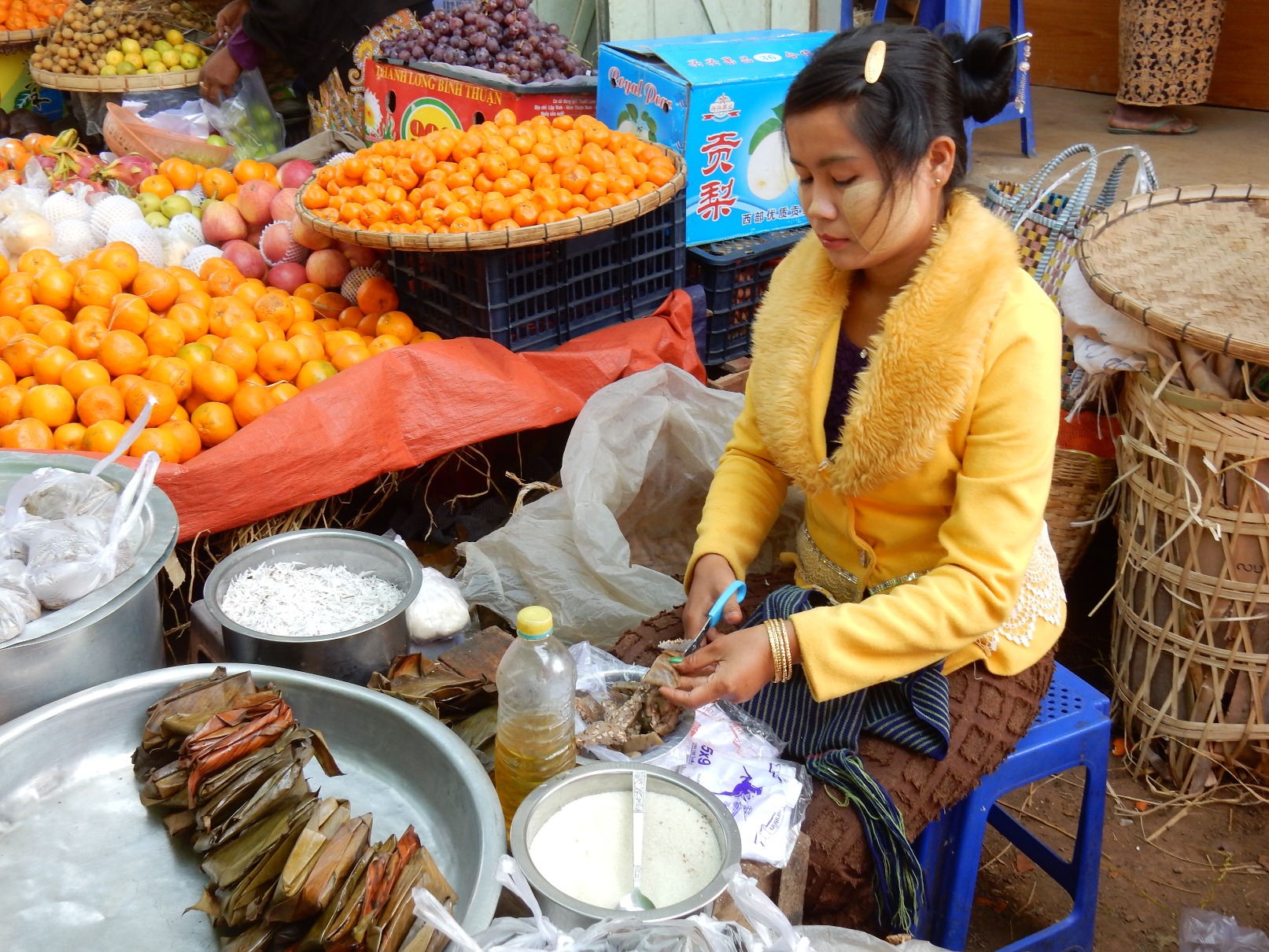
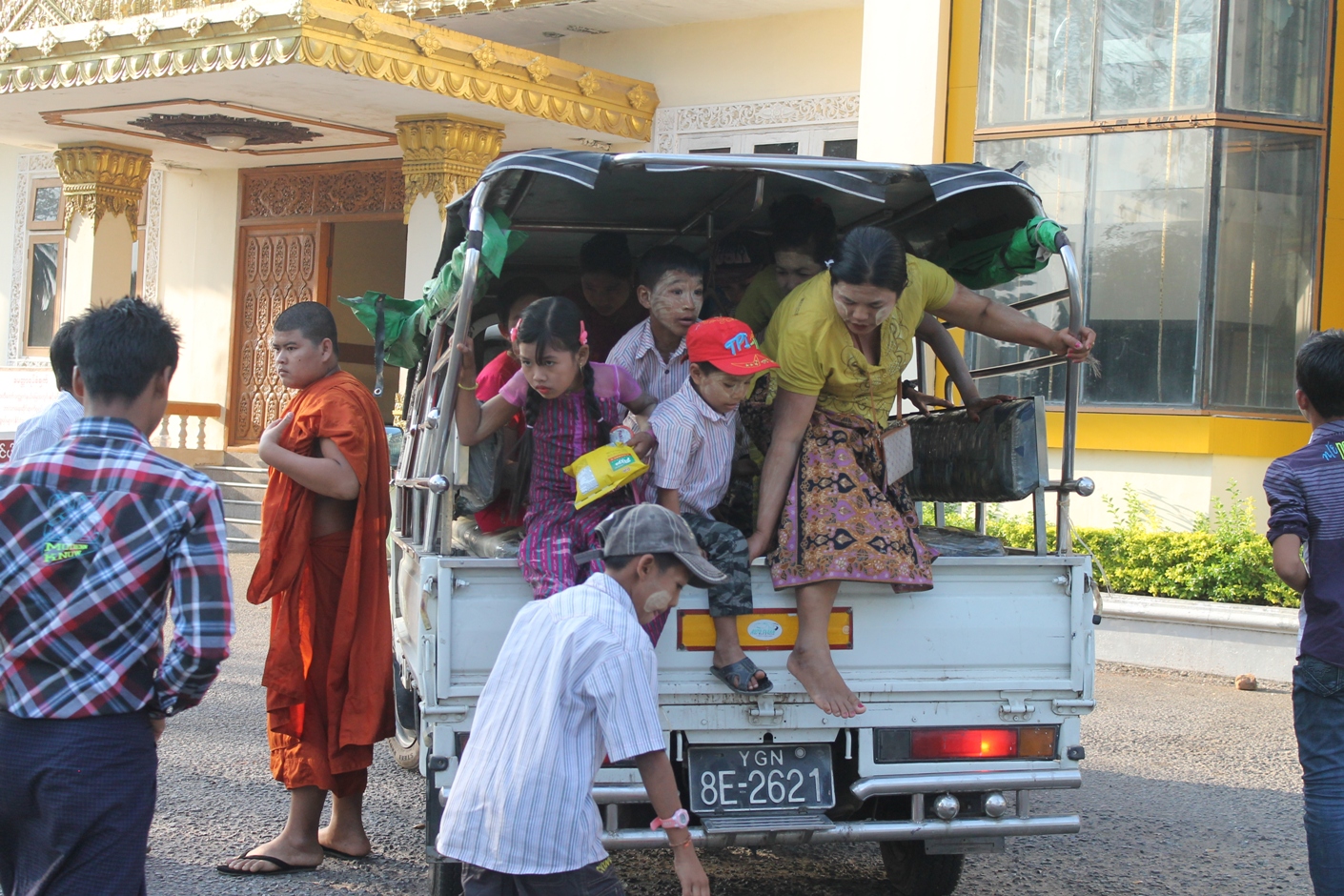
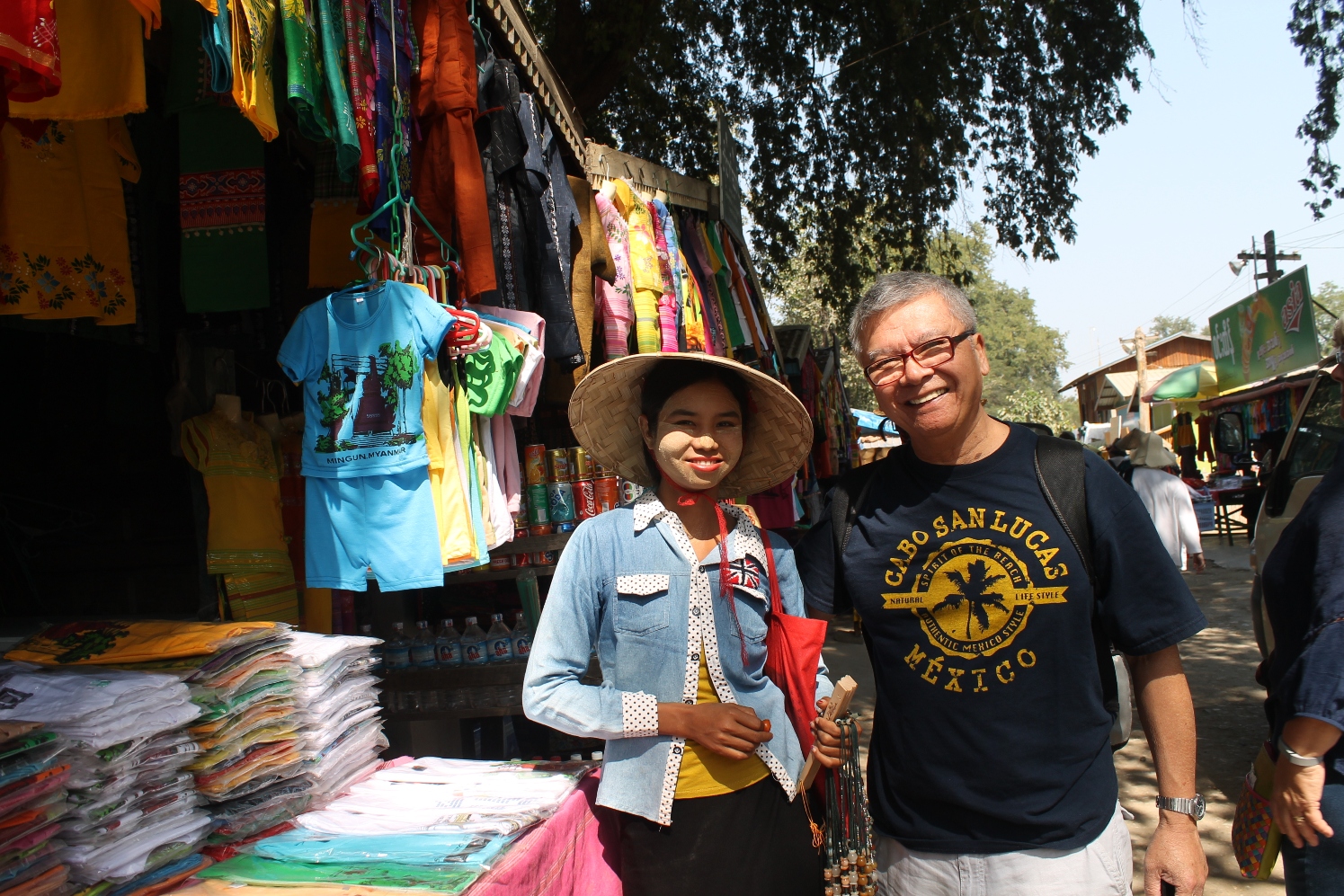
The people here, children, girls have a unique way of using make-up. They use Thanaka paste, made from Thanaka tree on their cheeks and noses as a natural sun block and skin conditioner. It’s quite unique and attractive. University students are required to wear Longi to school, western style jeans are not allowed.
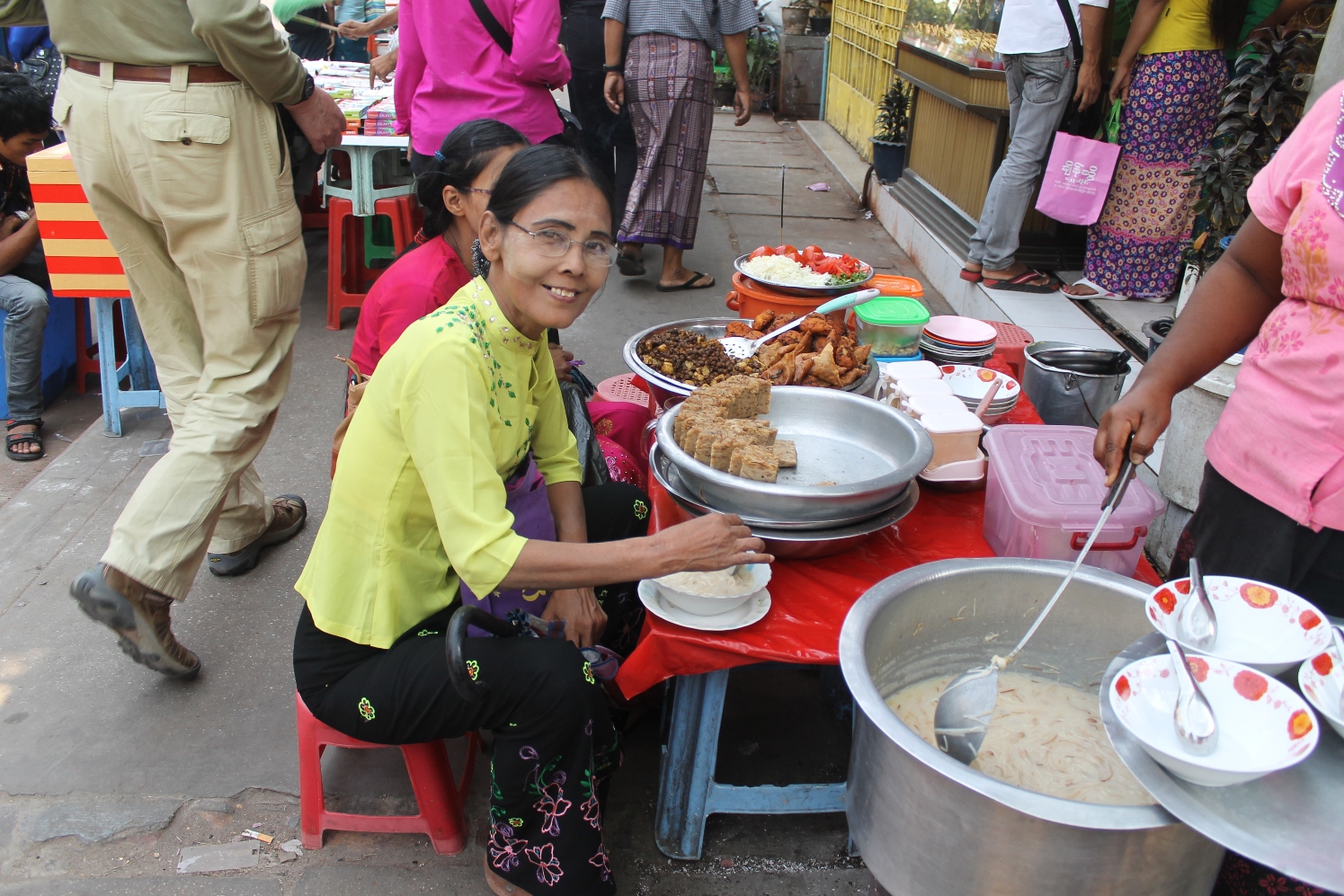
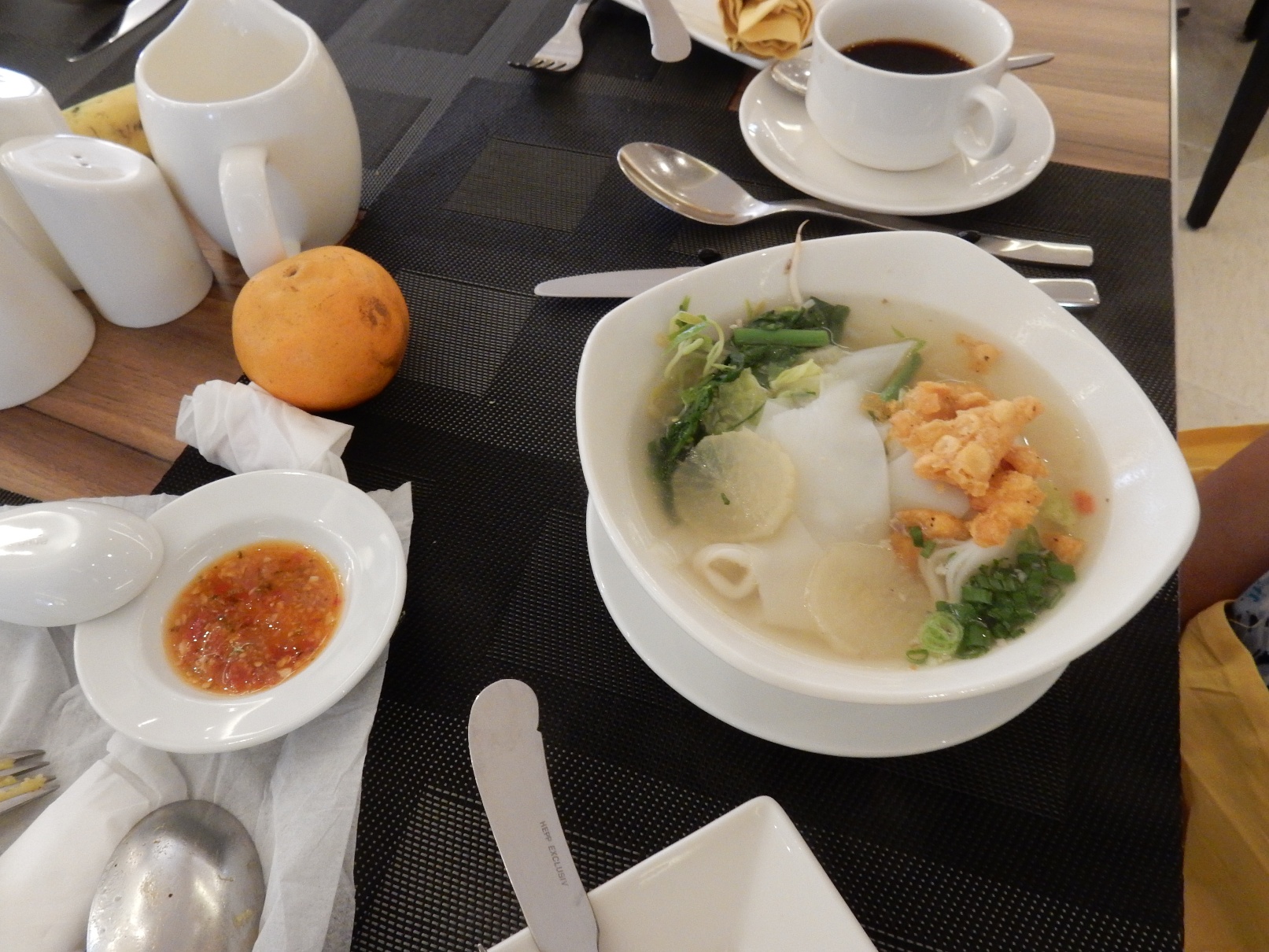
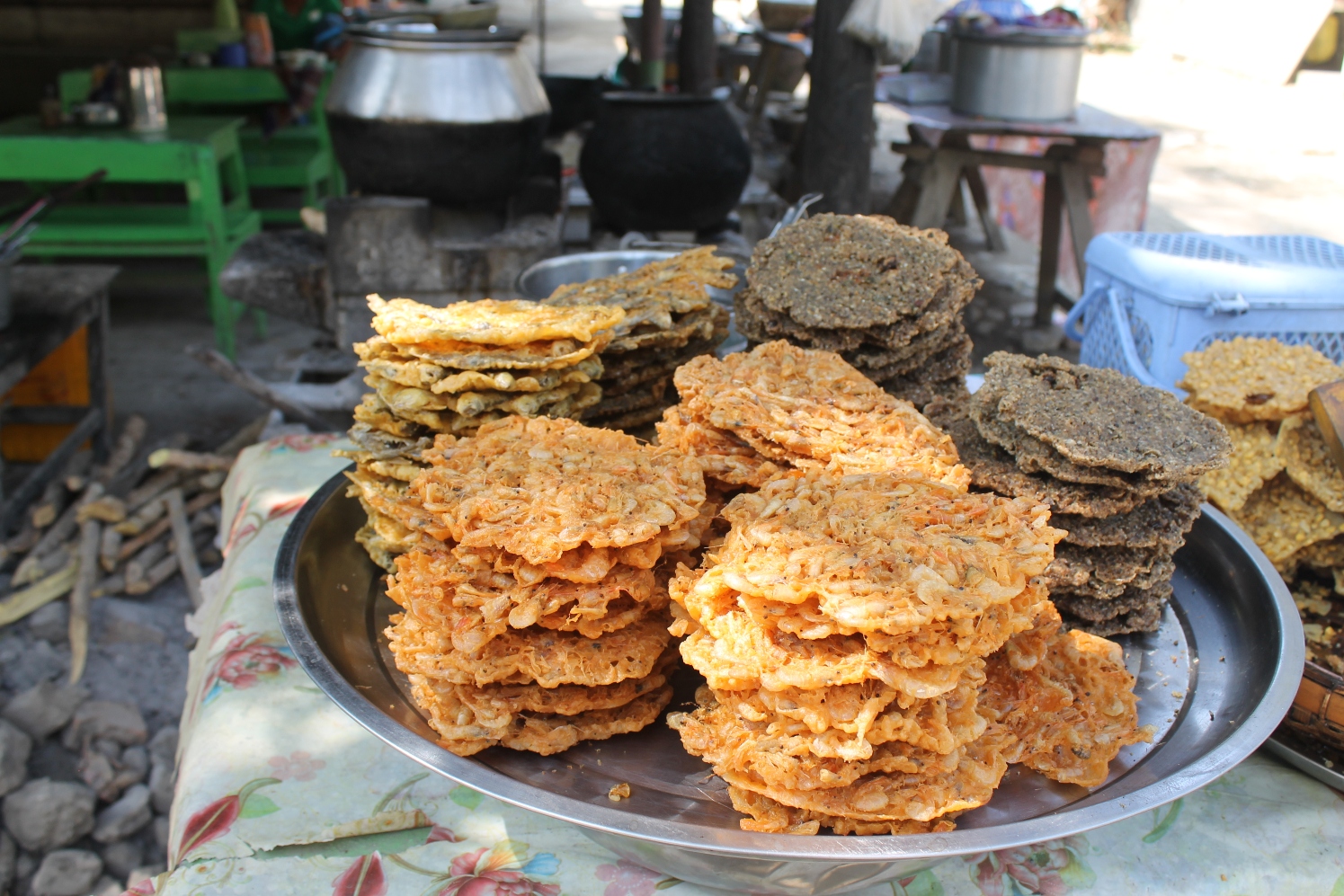
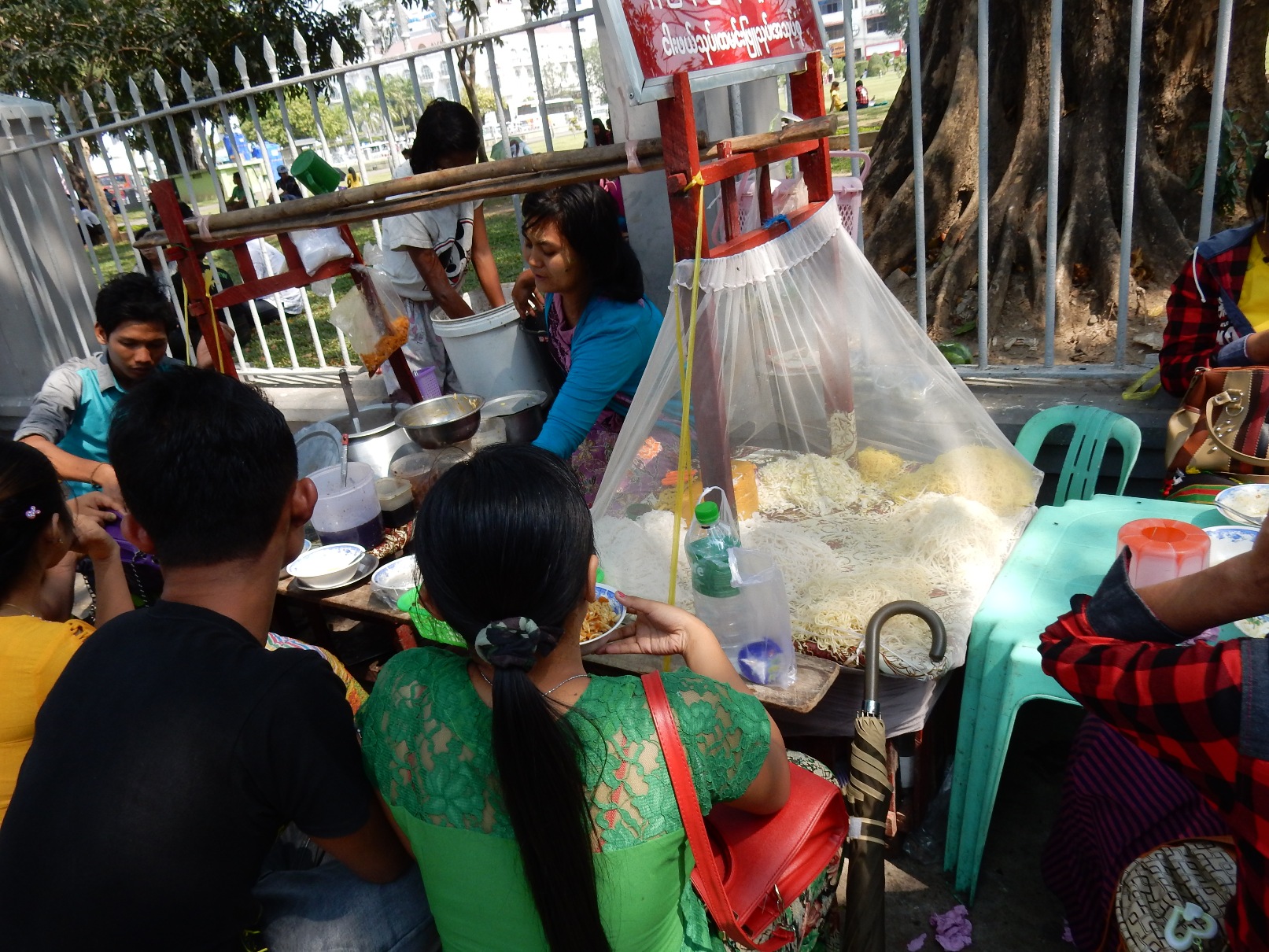
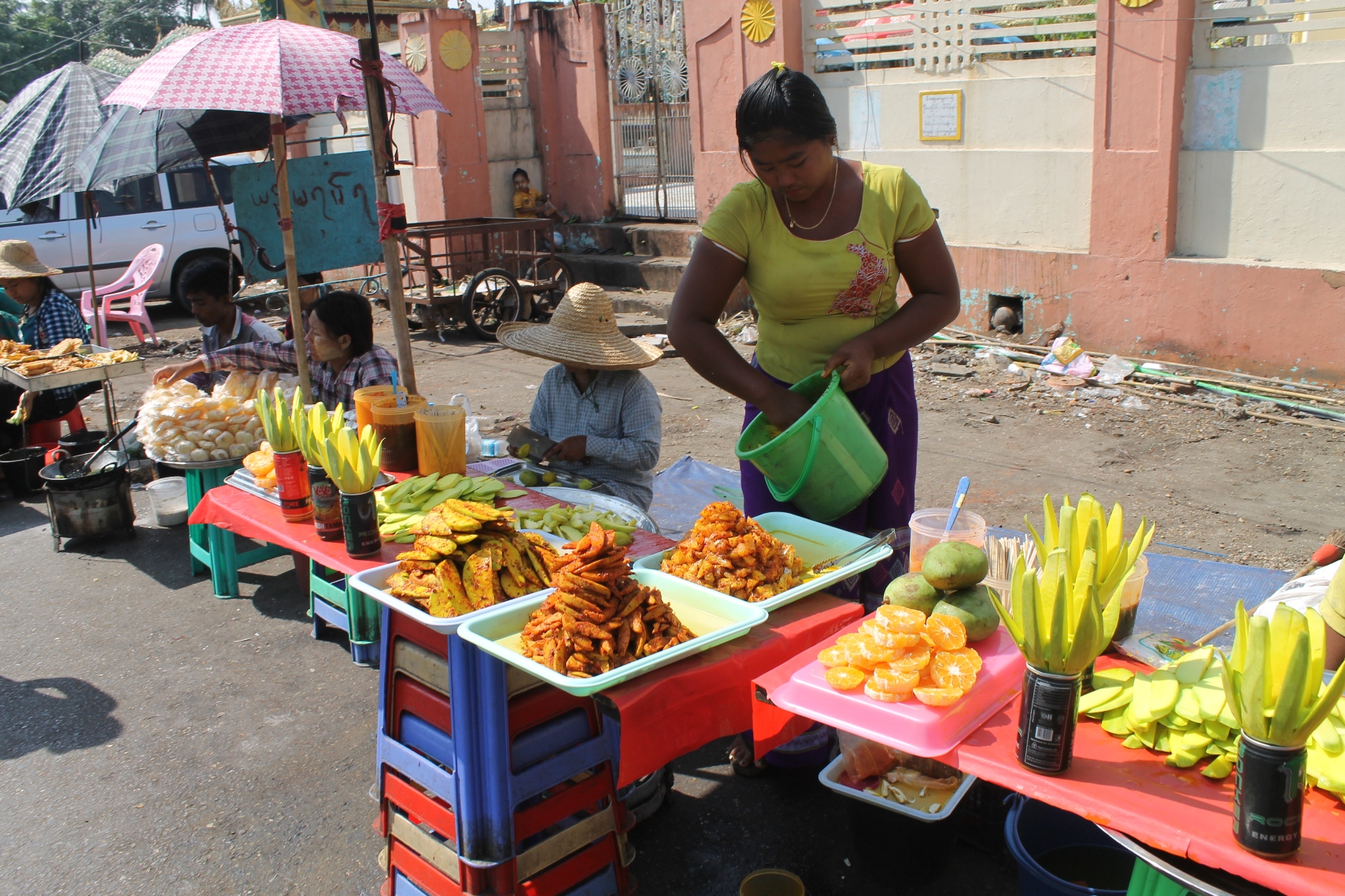
Myanmar food is quite tasty. It is a cross between Thai and Indian. Every morning, I would sample a variety of Myanmar soups, freshly made from the chef, with various style of noodles and condiments like dried shrimp, pickle scallions, salted tofu, green chopped onions, cilantro, pickle eggs, vegetables…etc. And almost always, you can have a little condiment dish of fish sauce with chopped hot green pepper for added spiciness in your life…heheheh. Mohinga (a soup made from fish and rice noodles); Hingyo (a clear soup with green vegetables); Ohn Nok Kaukswe (a soup consisting of chicken, noodles and coconut milk) are typical. Meals are such an integral part of Myanmar people, as they typically greet friends by saying: “Sar Pyi Bi Lar?” (Have you eaten your lunch yet?)
We are glad to visit this part of the world in January/February. Weather wise, they say the best time is from November to February. March/April brings sweltering heat, then comes the monsoon from June thru October.
We enjoyed the trip very much as it further widens up our tiny view of the world. As always, we appreciate what we had at home but at the same time admire the Myanmar people for their warm, sincerity, and charming. I felt safe anywhere I go without a second of wariness of petty theft like pick-pocketing, etc.
Pictures alone do not do the justice. You have to be there to experience it yourself to really soak in the beauty of Myanmar’s landscape and its people.
Thanks for visiting.